LATEST NEWS
*******
-
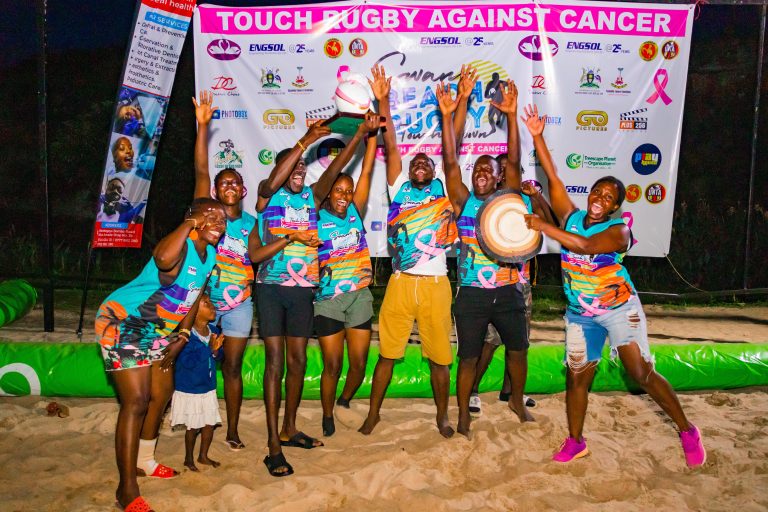 Legacy Holders Crowned Champions at Swans Beach Rugby Against Cancer Festival 2026.14 Oct 2026
 -
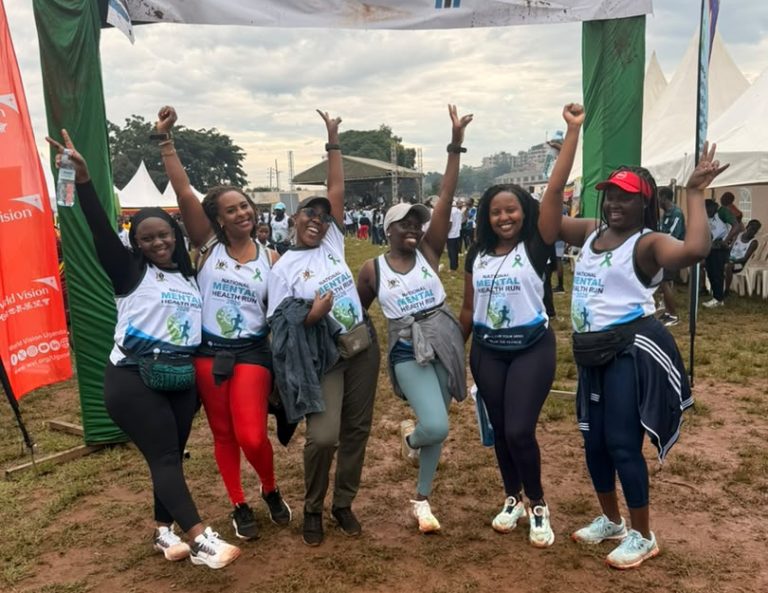 UOC Joins National Mental Health Run, Calls for Greater Investment in Youth Well-being.13 Oct 2026
 -
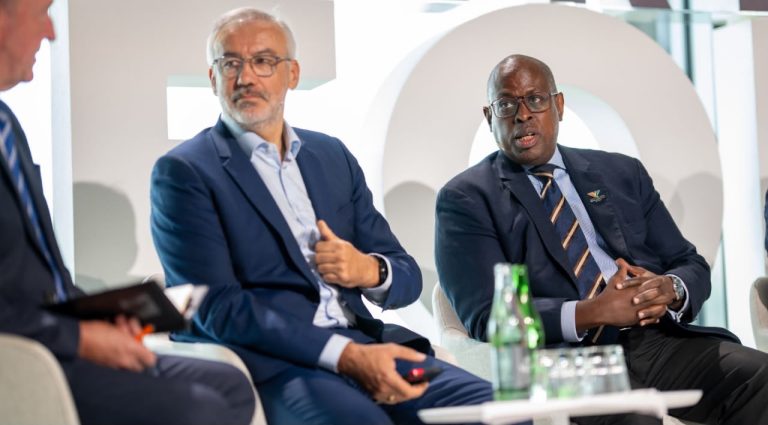 Dr Donald Rukare Joins Global Sports Leaders to Discuss the Future of Major Sporting Events.08 Oct 2026
 -
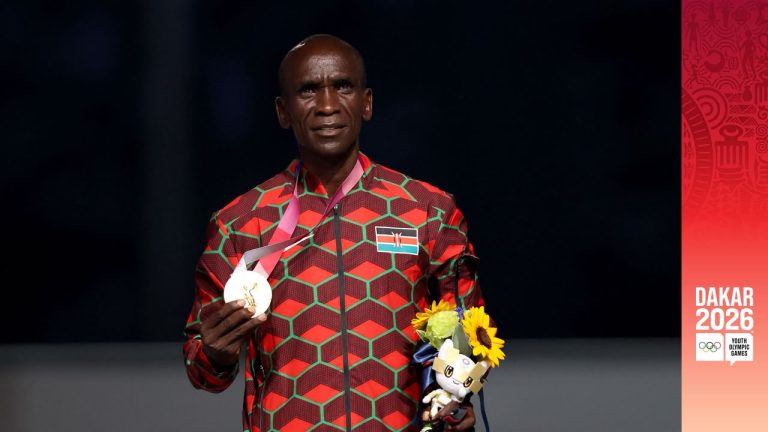 Eliud Kipchoge to Inspire the Next Generation as Dakar 2026 Global Ambassador.29 Sep 2026
 -
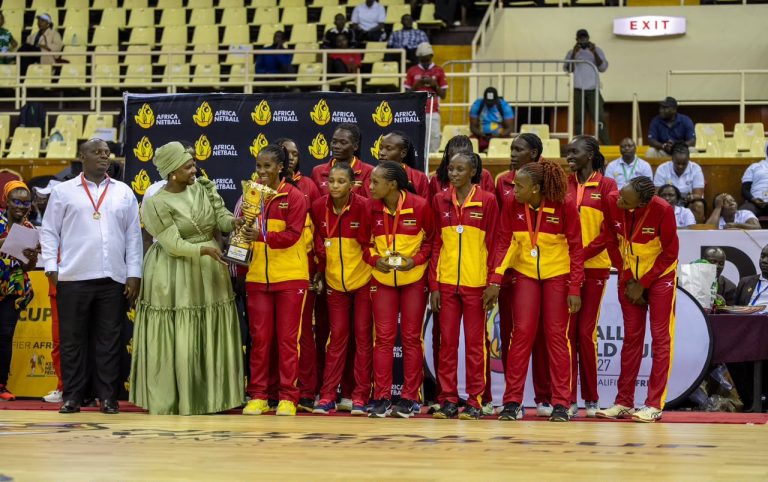 Uganda’s Netball Teams Make Their Mark in Nairobi as She Cranes Reclaim African Crown.29 Sep 2026
 -
 IOC Launches Trustworthy AI Framework to Guide Responsible Use of Artificial Intelligence Across the Olympic Movement.29 Sep 2026
 -
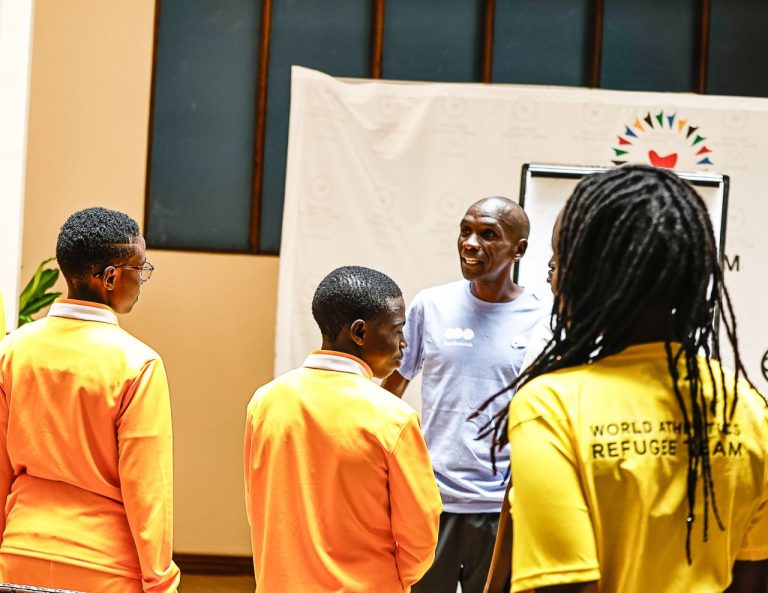 Olympic Values in Action: Eliud Kipchoge Mentors Dakar 2026 Refugee Olympic Team Athletes.17 Sep 2026
 -
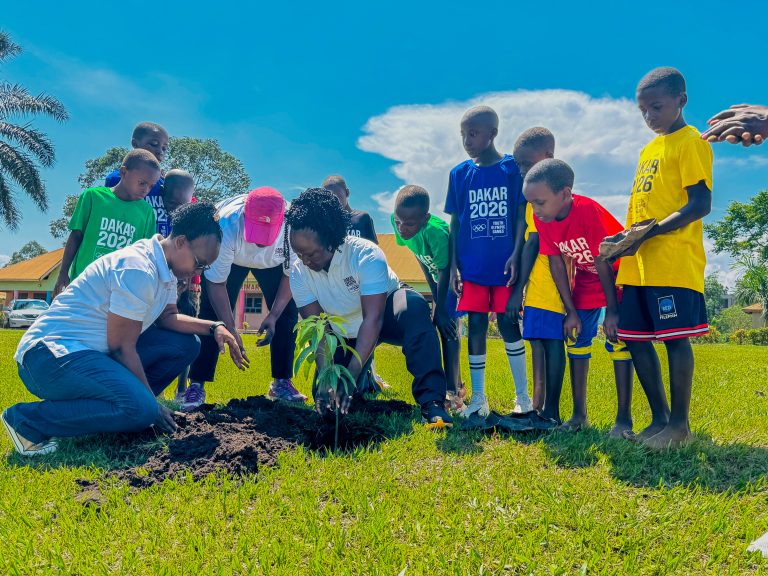 Dakar 2026 Flame Tour Brings Olympic Spirit to Gayaza.14 Sep 2026
 -
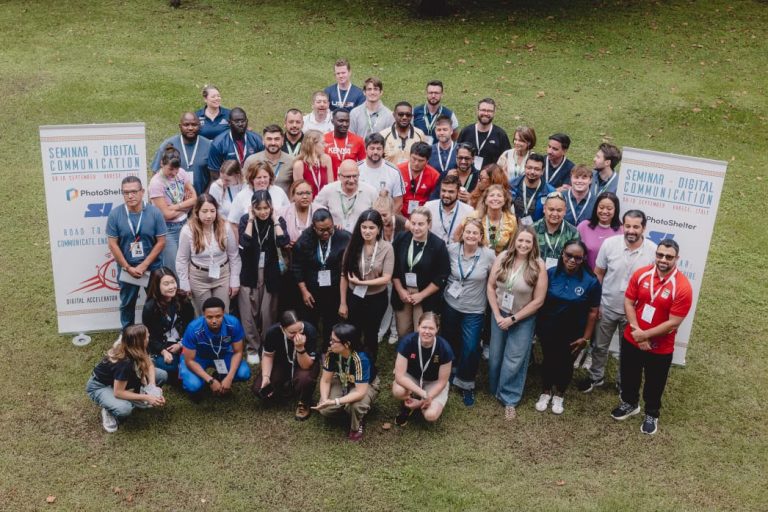 Strengthening Digital Communications Across African NOCs.14 Sep 2026
 -
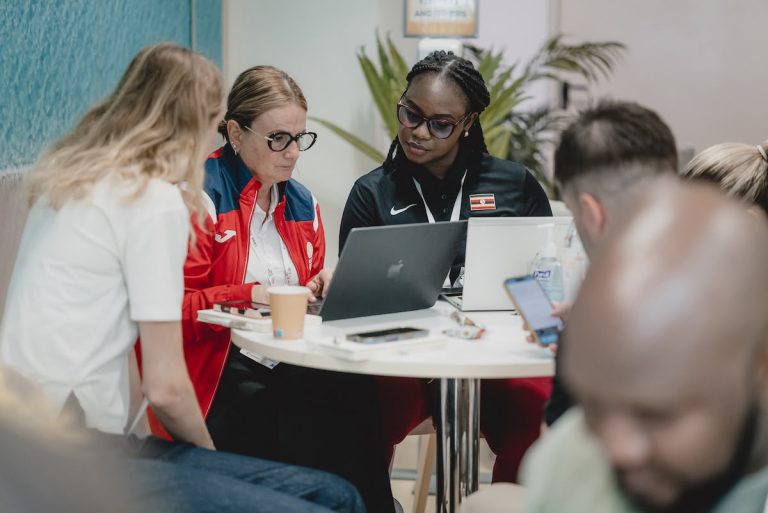 NOC Uganda at the 2nd ANOC Digital Communications Seminar | Varese in Italy.10 Sep 2026
 -
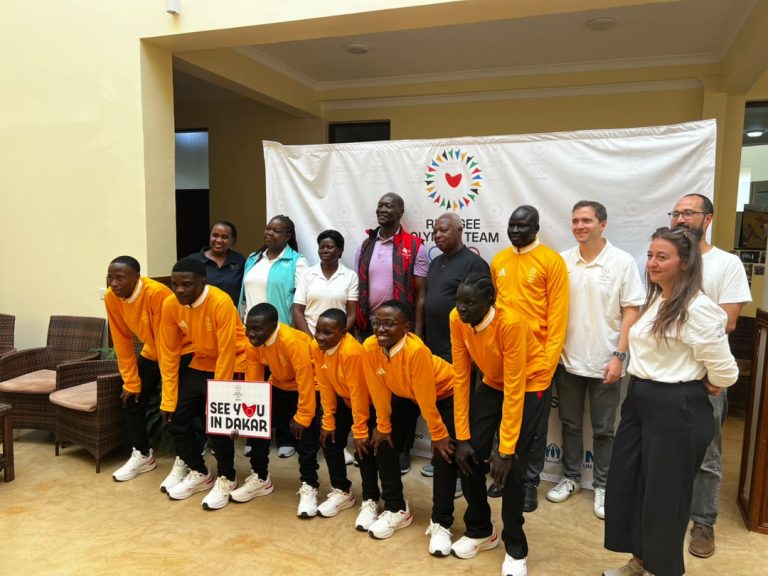 From Refugee Communities to the Olympic Stage: Africa’s Next Generation Is Making History.10 Sep 2026
 -
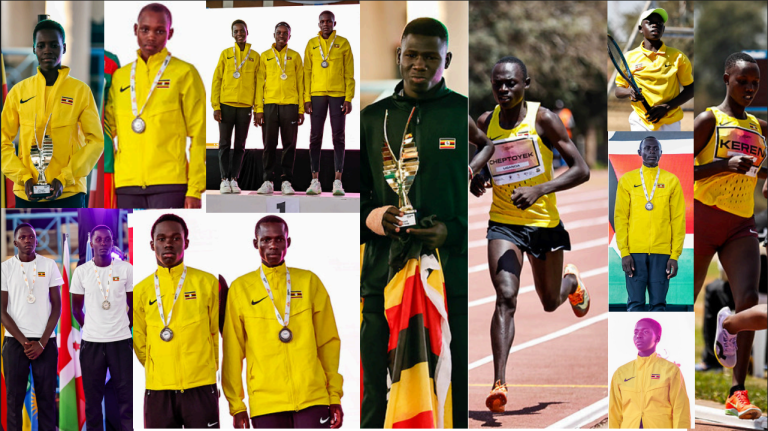 Team Uganda returns home with 23 medals from Anoca Zone V Youth Games.28 Aug 2026
 -
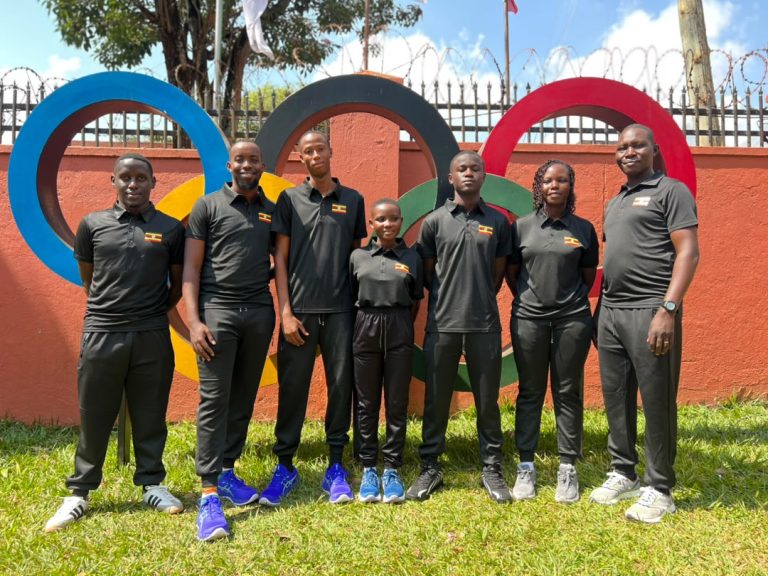 Team Uganda Flagged Off for ANOCA Zone V Youth Games in Kenya.24 Aug 2026
 -
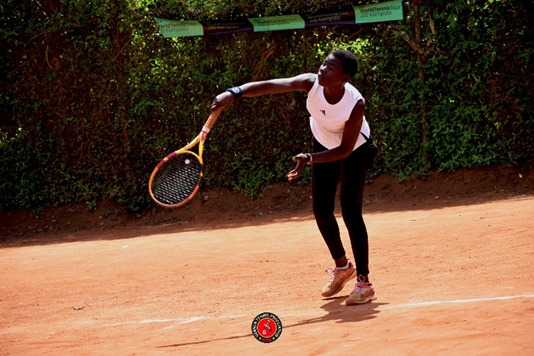 Seven Sports, One Mission: Team Uganda Ready for ANOCA Zone V Youth Games.18 Aug 2026
 -
 Uganda’s young stars ready to light up Nairobi at the ANOCA Zone V Youth Games.14 Aug 2026
 -
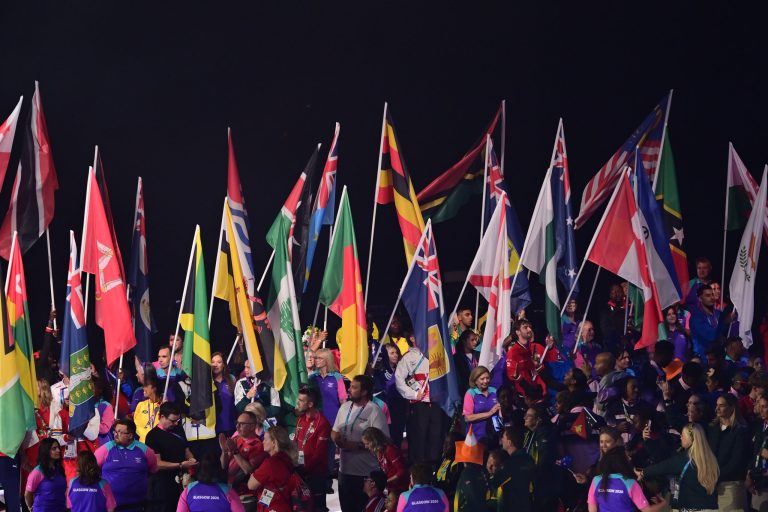 Dr. Donald Rukare, the Commonwealth Sport President’s Speech at the Closing Ceremony.03 Aug 2026
 -
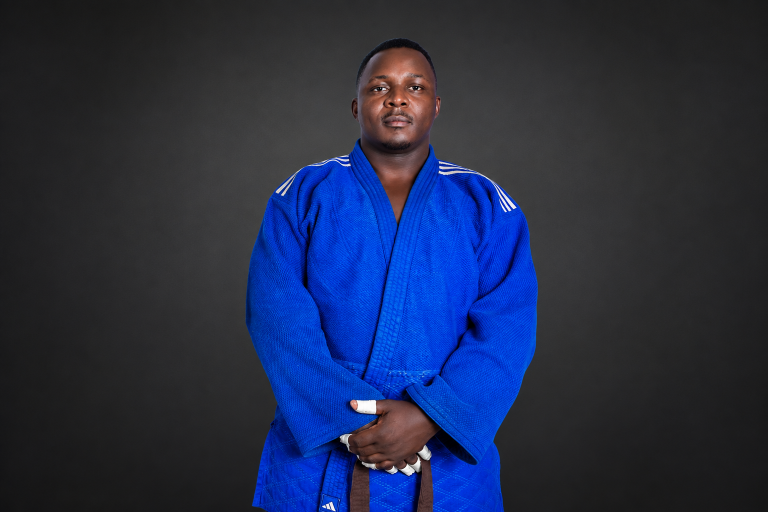 Charles Mwangushya takes lessons from Judo Defeat.03 Aug 2026
Uganda aligns National Anti-Doping framework with global standards.
By Grace Joyce Kemigisa

Uganda has taken a significant step toward safeguarding clean sport with a national consultation on the draft Anti-Doping Regulations, aimed at aligning the country’s legal framework with the World Anti-Doping Agency (WADA) Code. The engagement brought together sports federations, medical experts, administrators, and key stakeholders to review how the National Anti-Doping Organisation (NADO) will operate under the National Anti-Doping Act.
Commenting about the discussion, Dr. Donald Rukare, President of the Uganda Olympic Committee/ Commonwealth Games Uganda described the engagement as both timely and critical for the future of Ugandan sport. He emphasized that anti-doping efforts go beyond testing alone and must be anchored in sustained education and awareness across all federations.
“This has been a very useful engagement,” Dr. Rukare said, noting that testing can now be conducted locally in Kampala. “But more importantly, NADO has a responsibility to help federations understand the full spectrum of the anti-doping regime from in-competition and out-of-competition testing to awareness of the annually updated prohibited list of substances and methods .”
Dr. Rukare highlighted that the anti-doping landscape is constantly evolving, with new prohibited substances and methods issued every year by WADA, and a revised World Anti-Doping Code expected in 2027. He stressed that this makes continuous education essential for athletes, coaches, medical personnel, and sports administrators.
A major concern raised during the consultation was how athletes can realistically keep track of prohibited substances, especially when some are difficult to identify or hidden in common medication. Dr. Rukare explained that education remains the cornerstone of prevention.
“Athletes must understand that everything they consume medicine, supplements, even food—must be monitored,” he said. Team doctors and federation medical personnel play a critical role in ensuring compliance. He also clarified the process for Therapeutic Use Exemptions (TUEs), which allow athletes with legitimate medical conditions such as asthma or diabetes to use otherwise prohibited medication, provided approval is obtained from either international federations or the national anti-doping body.
Beyond athlete education, the consultation reviewed the substance of the draft regulations themselves, which closely mirror the WADA Code. Legal and technical experts walked participants through the structure of the regulations, beginning with how doping is defined and what constitutes an anti-doping rule violation. These include the presence or use of prohibited substances, refusal to submit to testing, tampering with doping controls, and possession of banned substances or methods.
The draft further outlines how violations are proven, placing the burden of proof on NADO, and establishes standards for testing, investigations, and laboratory analysis. Only WADA-accredited laboratories may analyse samples, underscoring the importance of international compliance in result management.
The regulations also detail athletes’ rights, including the right to a fair and impartial hearing, as well as sanctions for violations. Proposed penalties include disqualification, periods of ineligibility, and financial sanctions. Under the draft, individual athletes may face fines of up to UGX 20 million in serious cases, while sports organizations could be fined up to UGX 20 million, with additional penalties for multiple violations within a team.
Chairperson anti-doping regulations task force Brighton Barugahare, explained that the consultation was a legal requirement under the Act and a crucial step in operationalizing NADO as an independent body.
“The law requires us to establish a national anti-doping organisation that can enforce international obligations,” he said. “Some aspects of these regulations are non-negotiable because international law takes precedence. Our role today was to explain where there is room for national input and where the WADA Code must be adopted as it is.”
He added that stakeholder feedback will now be incorporated before the draft is submitted to WADA for concurrence, followed by review by the Attorney General and eventual gazetting by the responsible Minister.
The NADO team, echoed the need for collaboration and patience as the system takes shape. Proffessor Celestiono Obua the chairperson National Anti-doping Organisation(NADO), noted that this consultation marked one of the first direct engagements between NADO and many federations.
“NADO is still a young organisation,” he said. “We are introducing a regulation that has mandatory international components and national mechanisms for implementation. Without this framework, Uganda cannot fully comply with global anti-doping requirements.”
Dr. Obua identified education as the biggest challenge and the most powerful solution. He acknowledged that educating every athlete directly may not be feasible, but training federation leaders can create a ripple effect. He also pointed to plans for education tents at sporting events, where athletes can receive guidance alongside competitions.
From the federations’ perspective, the consultation was welcomed as a step toward fairness and credibility in sport. Shifana Ntambi, General Secretary of the Uganda Squash Racquet Association, praised the initiative for promoting fair play.
“This law will help ensure fairness in the sports industry,” she said. “However, we appeal to government to organize more workshops for federations and athletes. Some prohibited substances are listed using complex botanical names, which are difficult to interpret without guidance.”
As Uganda’s presence in international sport continues to grow, stakeholders agree that aligning national regulations with WADA standards is essential to protecting clean athletes and preserving the country’s sporting reputation. The consultation marked not just a regulatory milestone, but the beginning of a broader commitment to education, cooperation, and integrity in Ugandan sport.