LATEST NEWS
*******
-
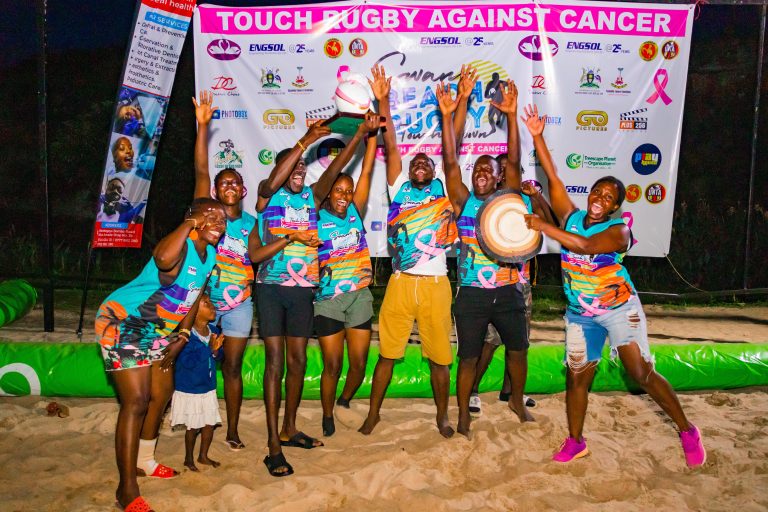 Legacy Holders Crowned Champions at Swans Beach Rugby Against Cancer Festival 2026.14 Oct 2026
 -
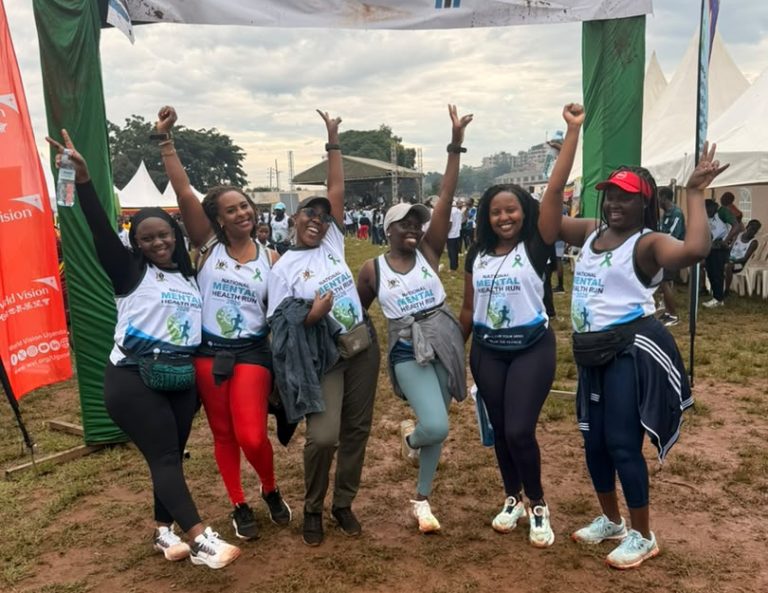 UOC Joins National Mental Health Run, Calls for Greater Investment in Youth Well-being.13 Oct 2026
 -
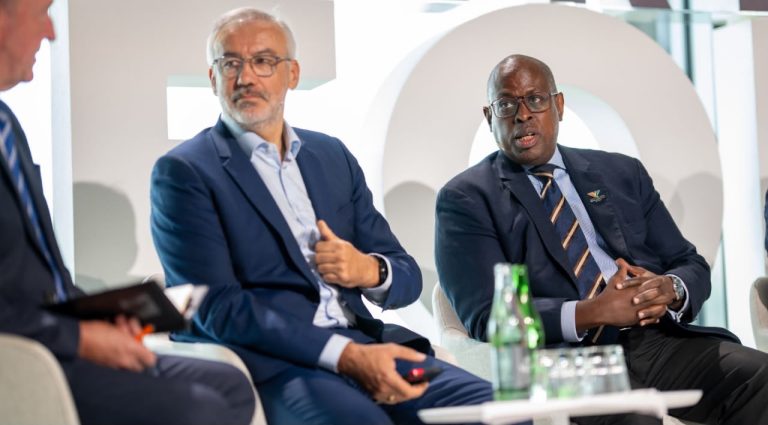 Dr Donald Rukare Joins Global Sports Leaders to Discuss the Future of Major Sporting Events.08 Oct 2026
 -
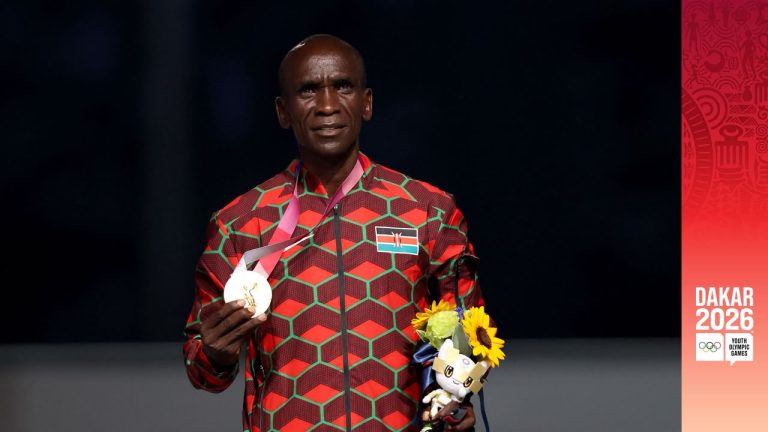 Eliud Kipchoge to Inspire the Next Generation as Dakar 2026 Global Ambassador.29 Sep 2026
 -
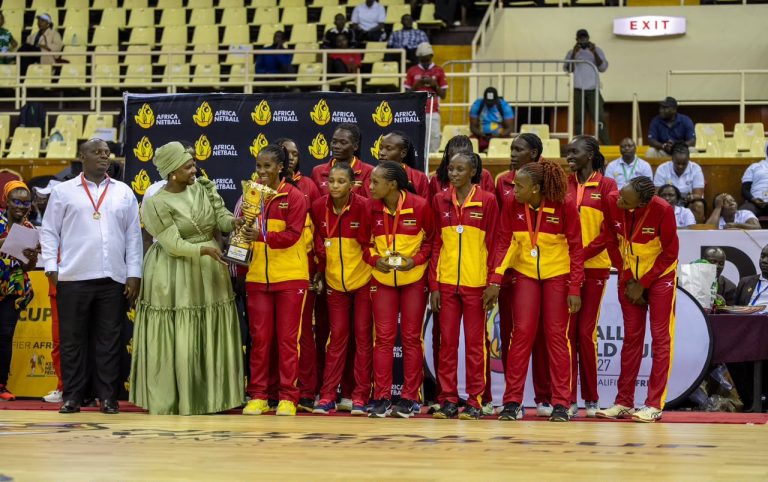 Uganda’s Netball Teams Make Their Mark in Nairobi as She Cranes Reclaim African Crown.29 Sep 2026
 -
 IOC Launches Trustworthy AI Framework to Guide Responsible Use of Artificial Intelligence Across the Olympic Movement.29 Sep 2026
 -
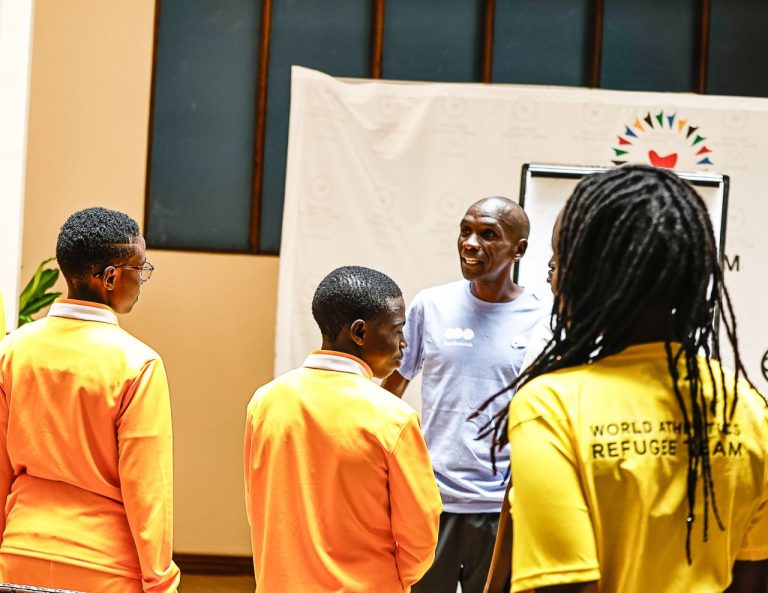 Olympic Values in Action: Eliud Kipchoge Mentors Dakar 2026 Refugee Olympic Team Athletes.17 Sep 2026
 -
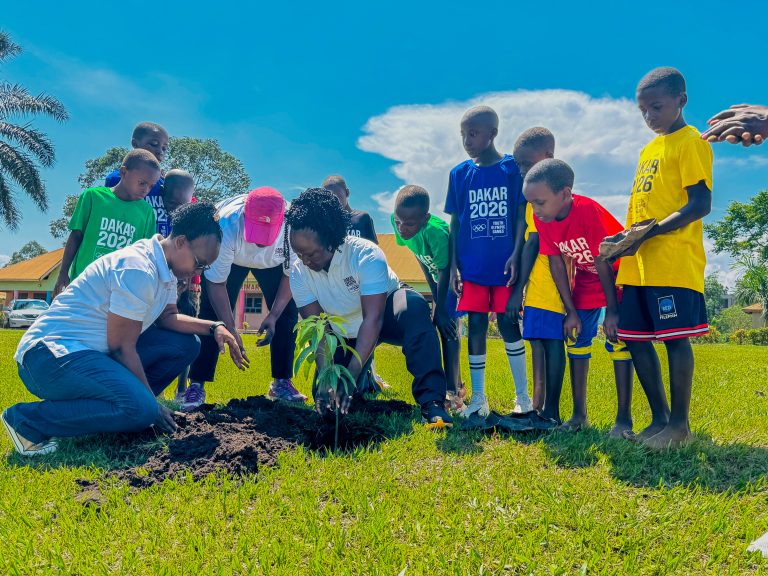 Dakar 2026 Flame Tour Brings Olympic Spirit to Gayaza.14 Sep 2026
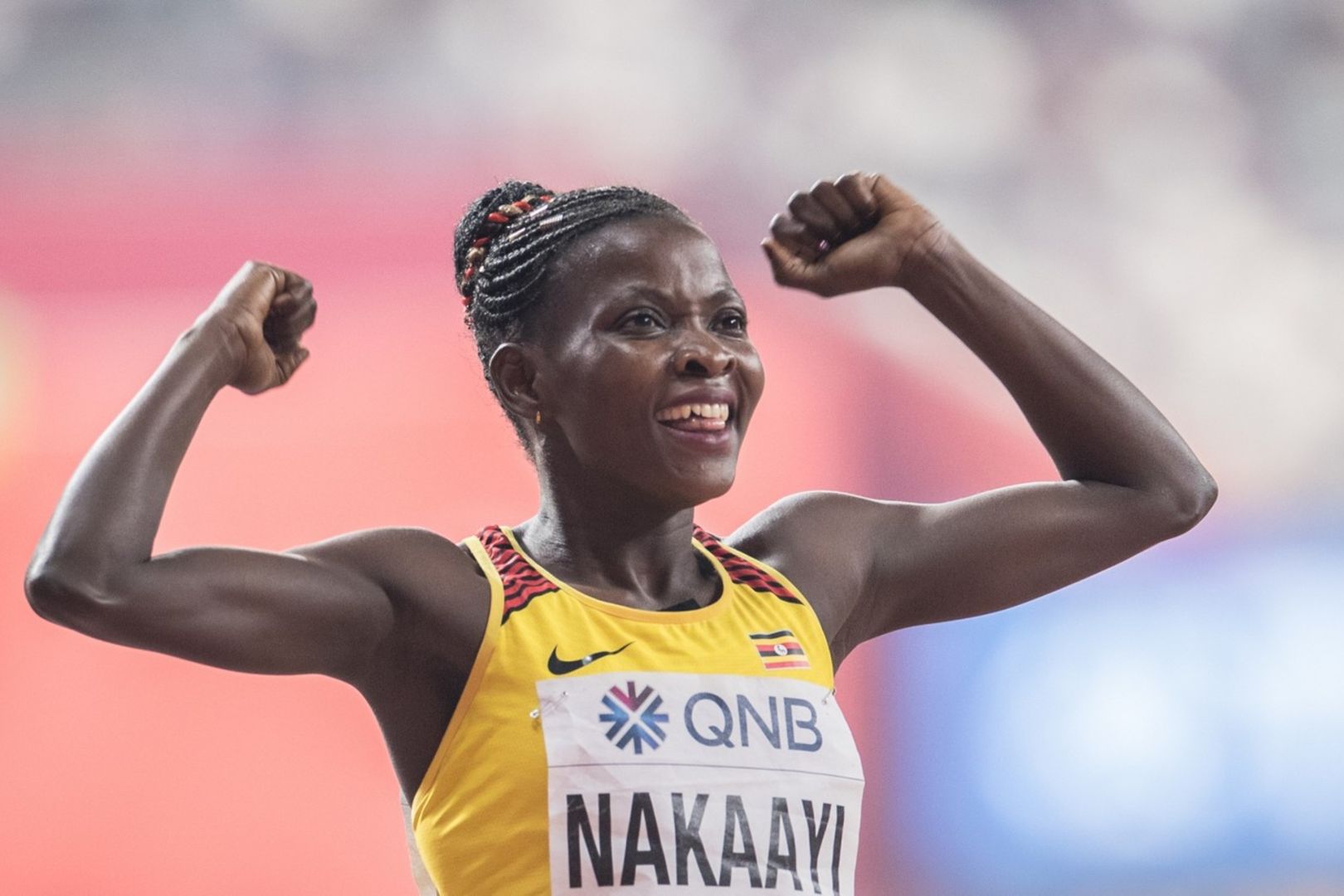
From Competitors to Mentors: Nakayi and Lunkuse to Inspire the Next Generation at Dakar 2026
By Grace Joyce Kemigisa
As the countdown to the Dakar 2026 Youth Olympic Games gathers momentum, the focus is not only on the young athletes preparing to compete, but also on the accomplished figures guiding them. Among the 31 elite athletes selected as Athlete Role Models are Uganda’s Halimah Nakayi and Jamilah Lunkuse; two remarkable sportswomen whose journeys reflect resilience, discipline, and the transformative power of sport.
Set to take place from 31 October to 13 November 2026 across Dakar, Diamniadio, and Saly in Senegal, the Games will bring together approximately 2,700 athletes aged 17 and under. Since its introduction at the Singapore 2010 Youth Olympic Games, the Athlete Role Model programme has remained a cornerstone of the Youth Olympic Games. It is designed to bridge the gap between youth and elite sport by pairing emerging athletes with experienced mentors who provide guidance not just in competition, but also in personal growth, mental resilience, and life beyond sport.
For Nakayi, this appointment represents a full-circle moment. Having competed at the inaugural Youth Olympic Games in 2010, she credits that experience with igniting her determination to pursue excellence on the global stage. Over the years, she has consistently represented Uganda at major international competitions, building a career defined by persistence and unwavering commitment. Now stepping into a mentorship role, Nakayi is eager to pass on the lessons that shaped her journey.
Her message to young athletes is grounded in realism and encouragement: success is not instantaneous, but the result of consistent effort and belief in oneself. She emphasizes the importance of embracing the process, staying disciplined, and understanding that setbacks are part of growth. Nakayi is particularly passionate about mental resilience, highlighting how fear, pressure, and self-doubt can hinder performance if not properly managed. Through workshops and interactions in Dakar, she hopes to encourage athletes to strengthen their mindset alongside their physical training.
Drawing inspiration from global stars like Sifan Hassan and Faith Kipyegon, as well as Uganda’s own Annet Negesa, Nakayi understands the power of mentorship. She aims to replicate that influence by guiding young athletes not only toward podium success, but also toward long-term personal and professional development. From injury prevention and recovery to nutrition and structured training, her holistic approach reflects the evolving demands of elite sport.
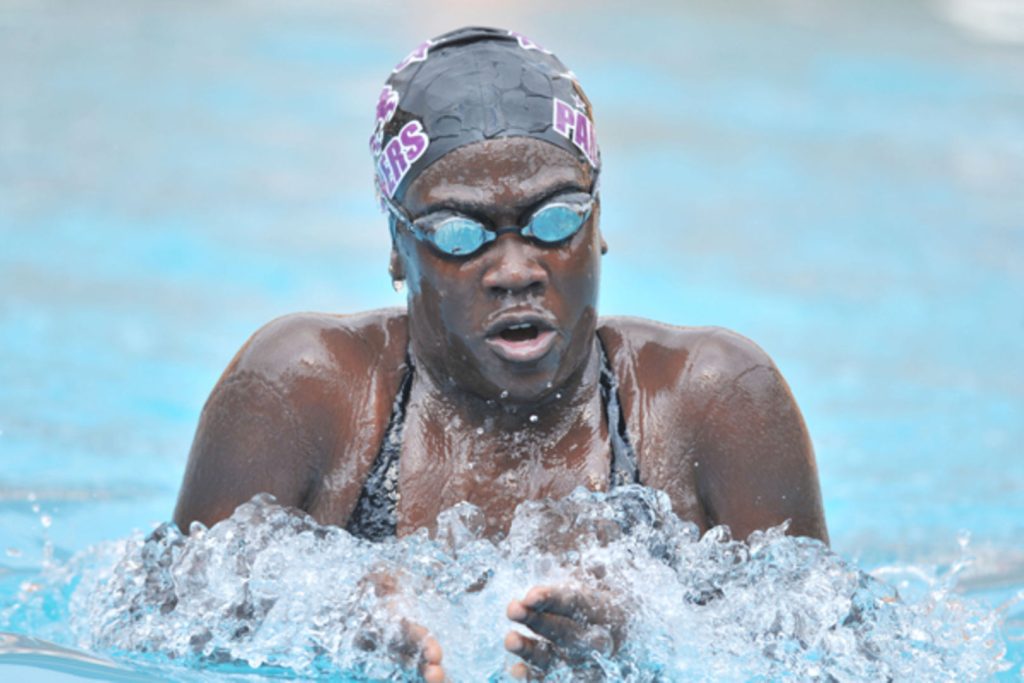
Equally inspiring is the journey of Jamilah Lunkuse, whose rise from a young swimmer to a two-time Olympian embodies the very essence of perseverance. Having represented Uganda at the 2012 Summer Olympics and the 2016 Summer Olympics, Lunkuse brings a wealth of experience to her role as a mentor. Her story is one of courage and growth
competing at world championships at just 12 years old and navigating the pressures of elite sport from an early age.
Lunkuse’s approach to mentorship is rooted in authenticity. She openly reflects on the nerves and uncertainties she faced during her early competitions, using those experiences to connect with young athletes who may be encountering similar challenges. Rather than presenting herself as having all the answers, she seeks to reassure participants that self-doubt is a natural part of the journey and that overcoming it is where true growth begins.
A strong advocate for mental preparation and discipline, Lunkuse emphasizes the importance of trusting the training process. She believes that success on competition day is built on consistent routines, structured preparation, and the support of coaches and mentors. Her own career has been shaped by these principles, as well as by the encouragement she received during moments of setback.
Beyond performance, Lunkuse is deeply committed to promoting balance. Having pursued both academics and athletics abroad from a young age, she understands the challenges of managing dual careers. Her guidance to young athletes centres on time management, effective communication, and patience reminding them that finding balance is a gradual process that requires both discipline and self-awareness.
Lunkuse also brings a broader perspective on success in sport. While her career includes notable achievements, she stresses that not every athlete will win medals and that this does not diminish their value or potential. Sport, she believes, offers opportunities far beyond competition, including leadership, education, and personal development. Her own involvement in global sports administration and grassroots initiatives reflects this philosophy.
The significance of Dakar 2026 extends beyond the competition itself. As the first Youth Olympic Games to be held on African soil, it represents a powerful moment for the continent. For Lunkuse, this is an opportunity for young African athletes to see role models who share their backgrounds and experiences, making their dreams feel more attainable. Representation, she notes, has the power to transform ambition into belief.
Together, Nakayi and Lunkuse embody the true spirit of the Athlete Role Model programme bridging generations, sharing lived experiences, and inspiring the next wave of talent. Their presence at Dakar 2026 will help ensure that the Games are not only a platform for competition, but also a transformative environment for learning and growth.
Ultimately, their mission is simple yet profound: to inspire belief. Whether through Nakayi’s message of persistence or Lunkuse’s emphasis on authenticity and balance, both athletes are committed to showing young competitors that greatness is not defined solely by medals, but by resilience, courage, and the determination to keep moving forward.