LATEST NEWS
*******
-
 Masembe and Rochene Take Another Step Towards Dakar 2026.23 Oct 2026
 -
 Uganda Makes World Rowing Beach Sprint Finals Debut in China.20 Oct 2026
 -
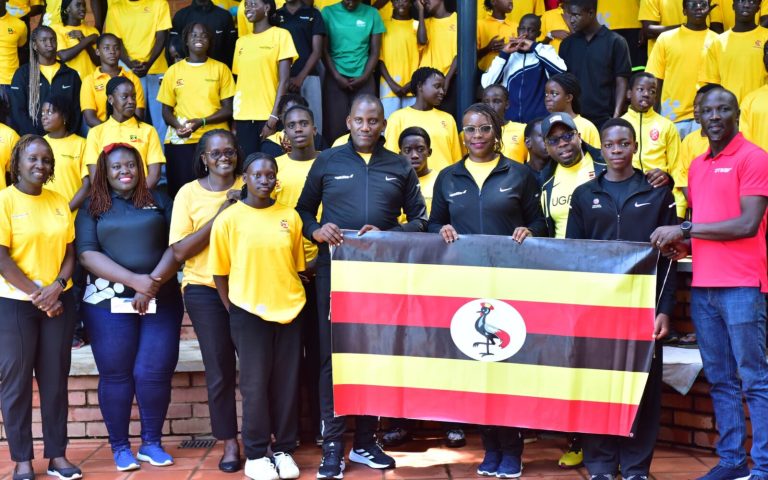 Uganda Unveils 197-Athlete Squad for Africa Aquatics Zone III Championships.20 Oct 2026
 -
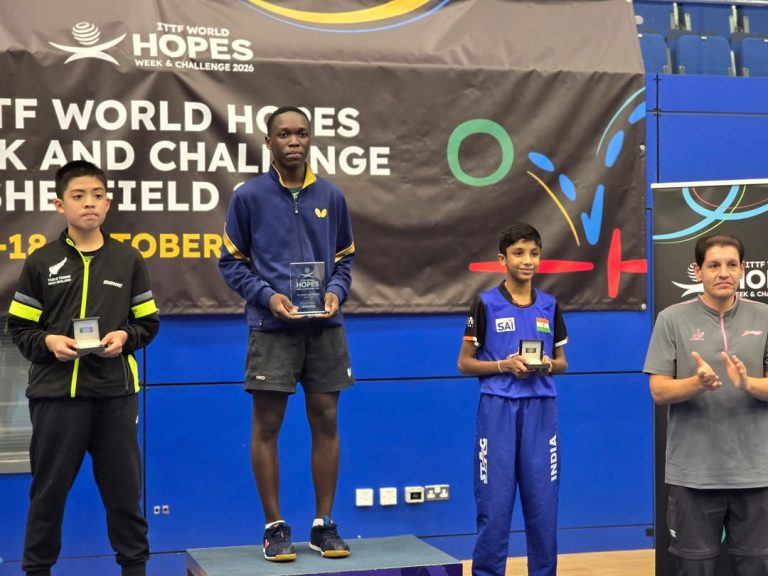 Joseph Sebatindira Defends World Hopes Title Ahead of Dakar 2026.20 Oct 2026
 -
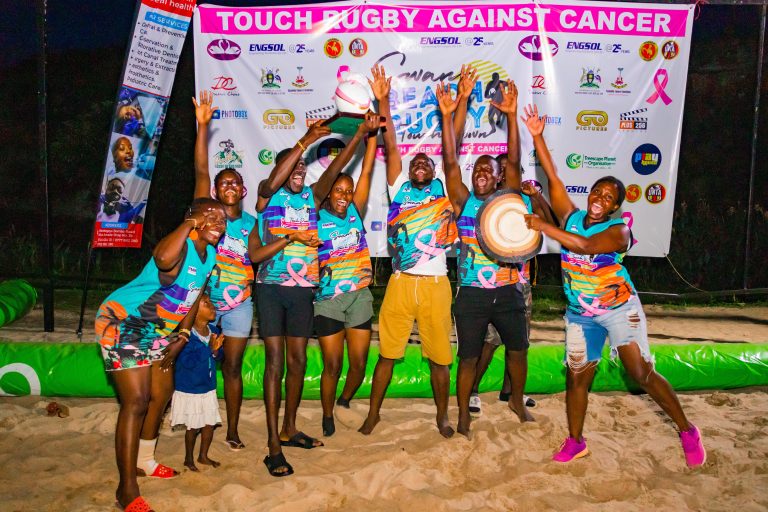 Legacy Holders Crowned Champions at Swans Beach Rugby Against Cancer Festival 2026.14 Oct 2026
 -
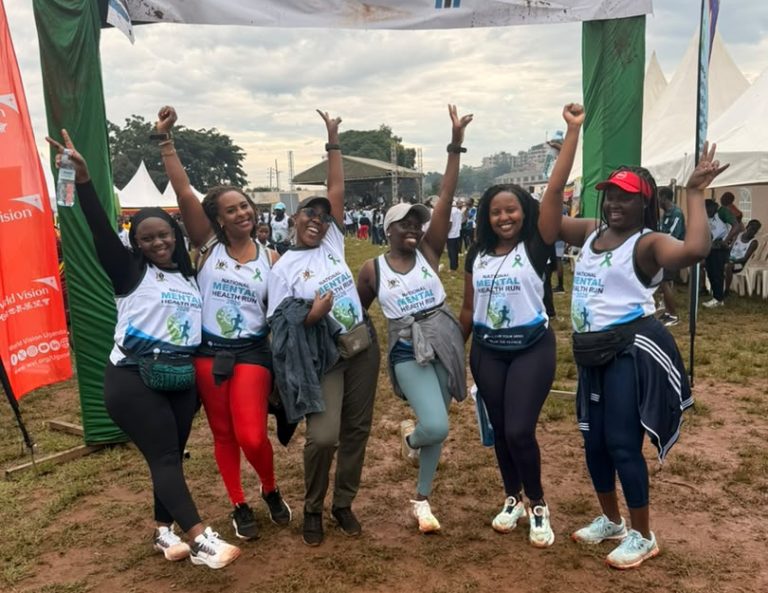 UOC Joins National Mental Health Run, Calls for Greater Investment in Youth Well-being.13 Oct 2026
 -
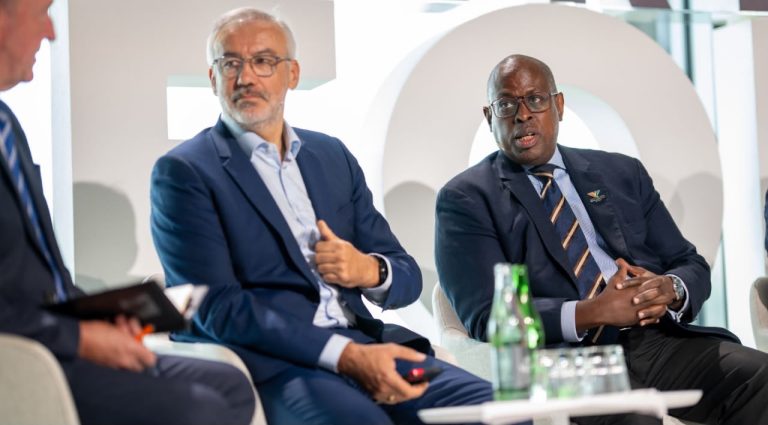 Dr Donald Rukare Joins Global Sports Leaders to Discuss the Future of Major Sporting Events.08 Oct 2026
 -
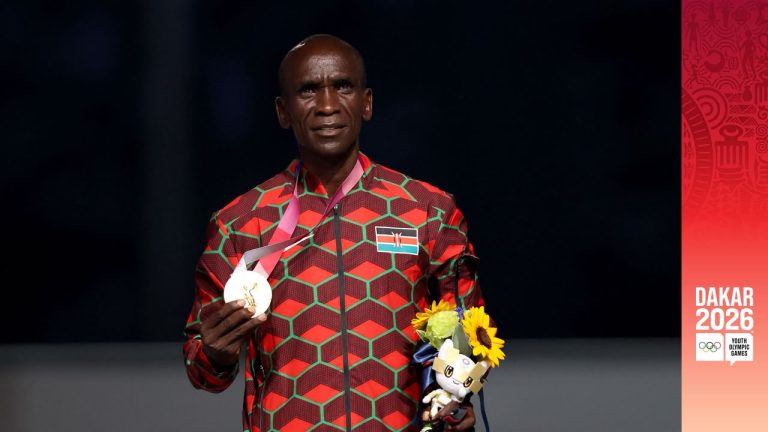 Eliud Kipchoge to Inspire the Next Generation as Dakar 2026 Global Ambassador.29 Sep 2026
 -
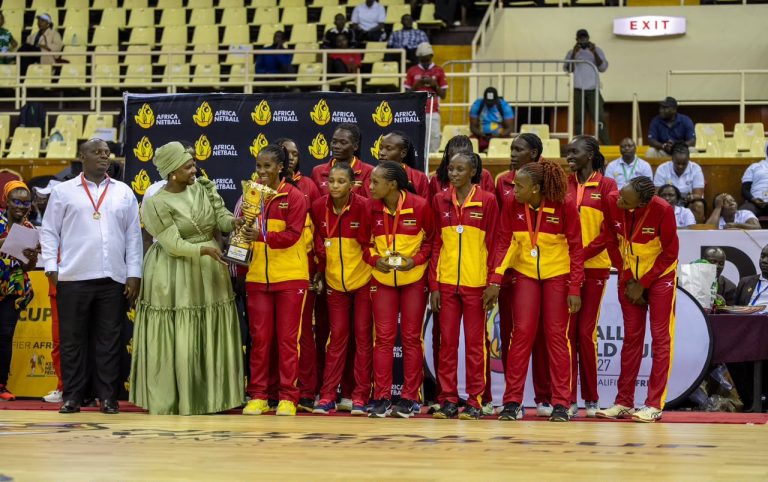 Uganda’s Netball Teams Make Their Mark in Nairobi as She Cranes Reclaim African Crown.29 Sep 2026
 -
 IOC Launches Trustworthy AI Framework to Guide Responsible Use of Artificial Intelligence Across the Olympic Movement.29 Sep 2026
 -
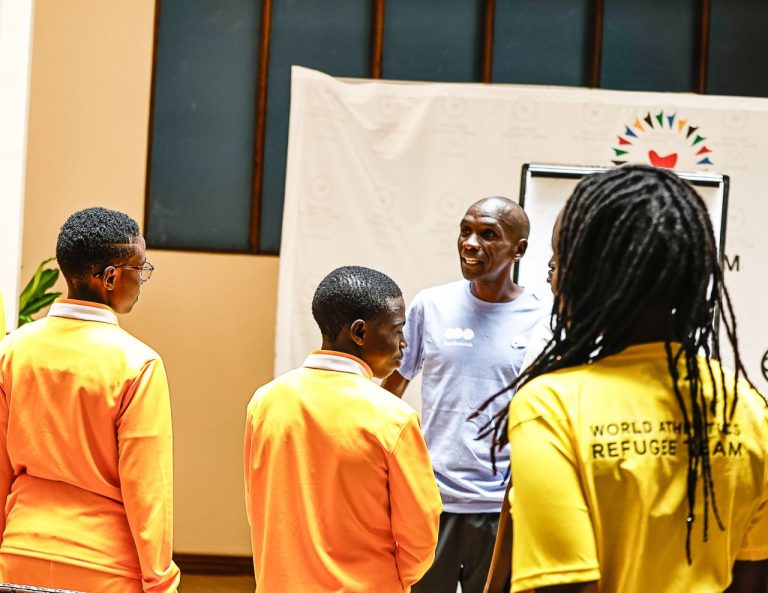 Olympic Values in Action: Eliud Kipchoge Mentors Dakar 2026 Refugee Olympic Team Athletes.17 Sep 2026
 -
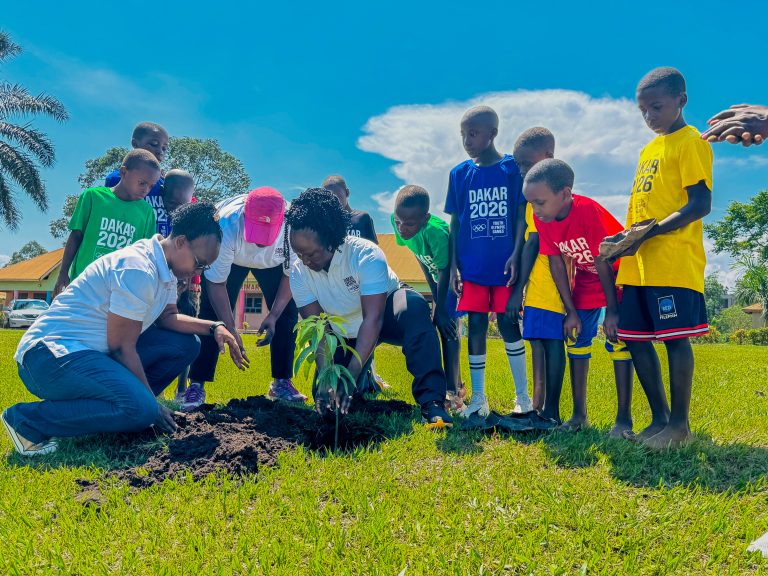 Dakar 2026 Flame Tour Brings Olympic Spirit to Gayaza.14 Sep 2026
 -
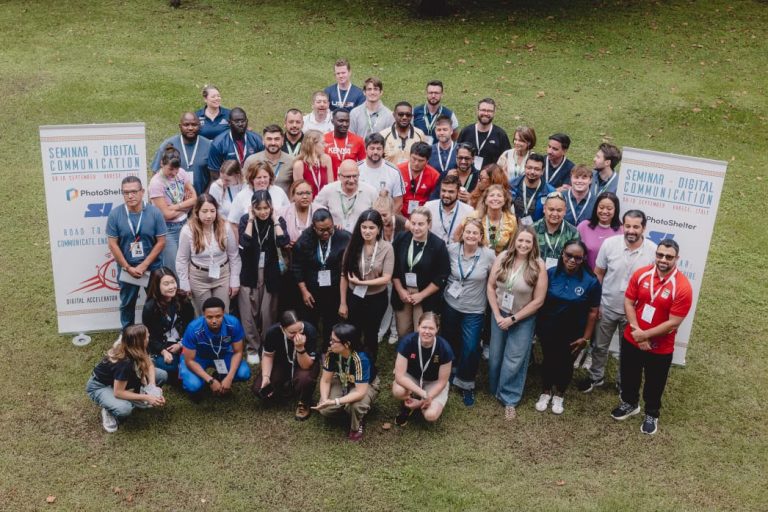 Strengthening Digital Communications Across African NOCs.14 Sep 2026
 -
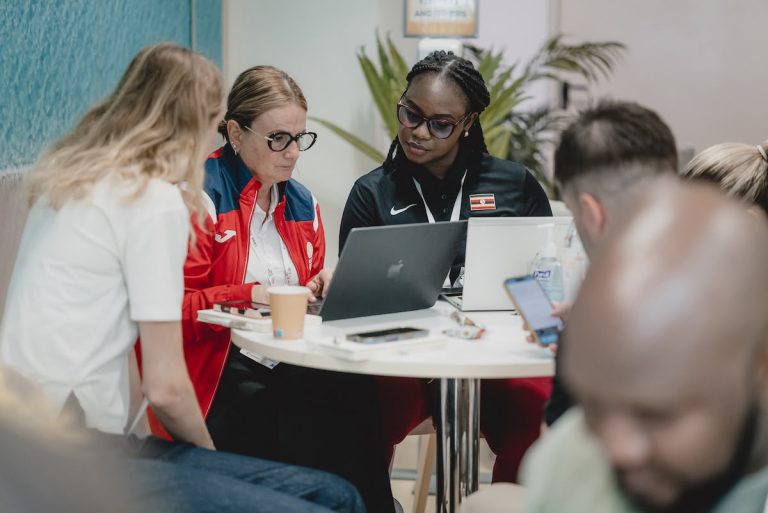 NOC Uganda at the 2nd ANOC Digital Communications Seminar | Varese in Italy.10 Sep 2026
 -
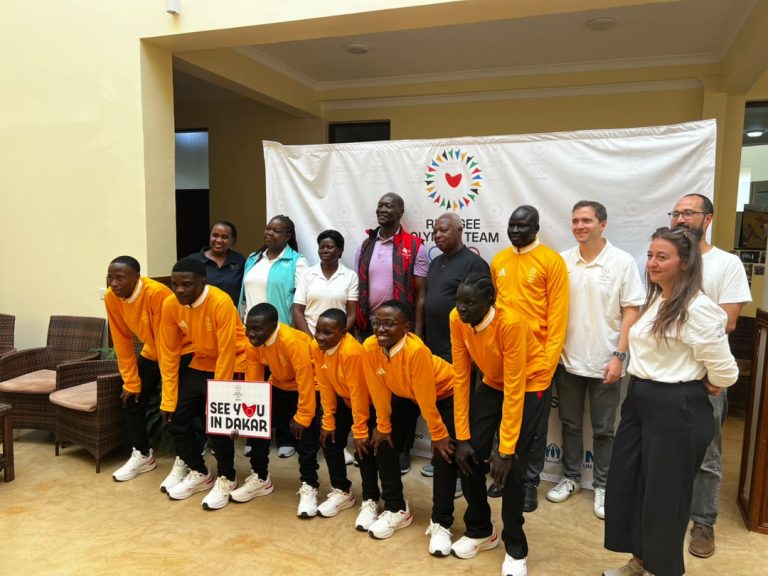 From Refugee Communities to the Olympic Stage: Africa’s Next Generation Is Making History.10 Sep 2026
 -
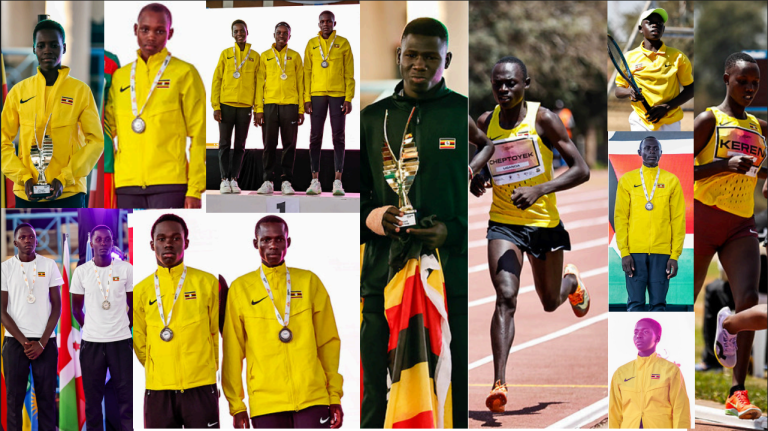 Team Uganda returns home with 23 medals from Anoca Zone V Youth Games.28 Aug 2026
 -
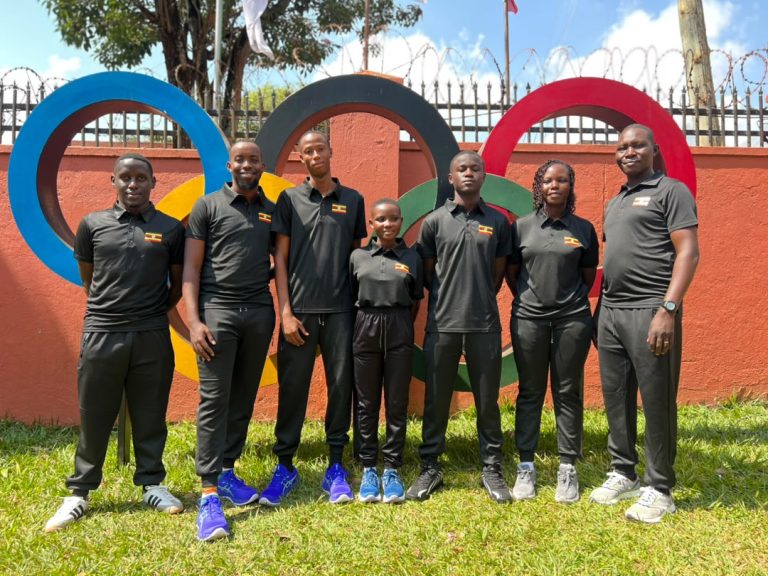 Team Uganda Flagged Off for ANOCA Zone V Youth Games in Kenya.24 Aug 2026
 -
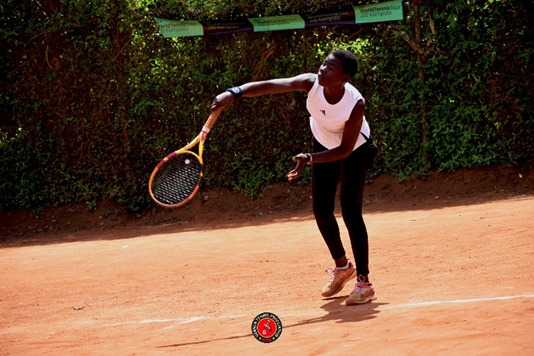 Seven Sports, One Mission: Team Uganda Ready for ANOCA Zone V Youth Games.18 Aug 2026
Sports as a Shield: Beatrice Ayikoru Calls for Collective Action Against Gender-Based Violence
By Grace Joyce Kemigisa
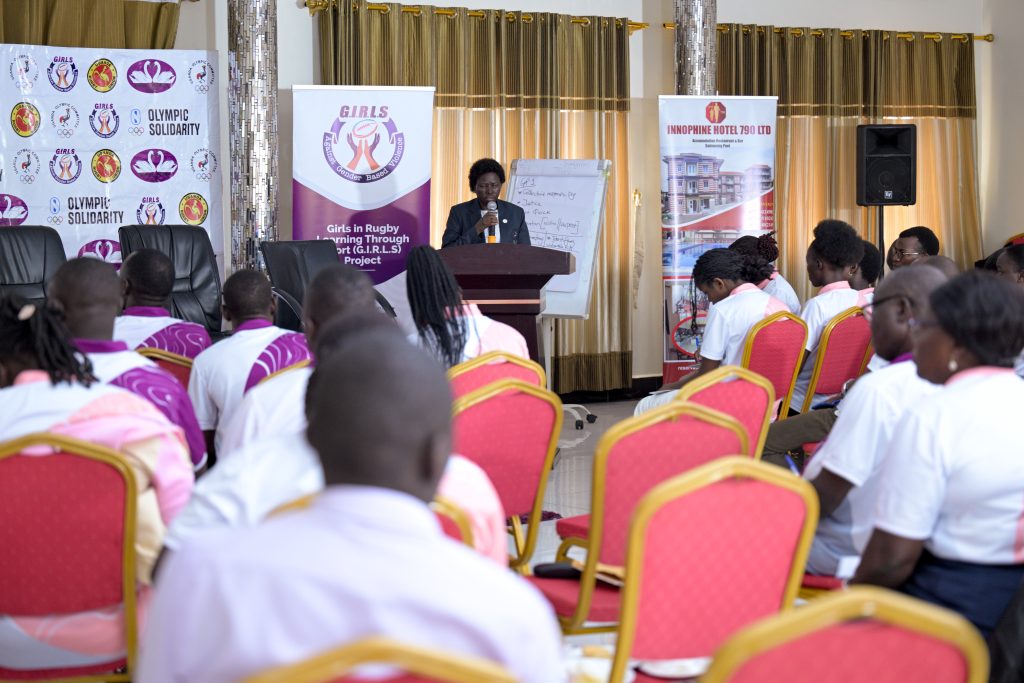
The closing of the three-day G.I.R.L.S Against Gender-Based Violence (GBV) Project engagement with community leaders ended on a powerful and reflective note, as Beatrice Ayikoru, General Secretary of the Uganda Olympic Committee, delivered a keynote address highlighting the transformative power of sport in preventing violence and strengthening communities.
Her message was clear and urgent: sport is not merely recreation it is a social tool capable of shaping values, empowering young people, and building violence-free communities when properly supported by families, schools, and institutions. Drawing from sports philosophy, school systems, and community structures, she challenged leaders to turn learning into action.
Understanding Gender-Based Violence Through a Sports Lens
Ayikoru began by clarifying that gender-based violence affects everyone men, women, boys, and girls and stressed the need for broader understanding at community level. She linked the core values of sport friendship, respect, discipline, excellence, and fairness to the moral foundation required to confront GBV.
She explained that sport teaches acceptance of outcomes, emotional control, and respect for rules and opponents. In contrast to violent reactions often seen in social and political spaces, sport models restraint and dignity even in defeat. Athletes compete fiercely, yet embrace each other afterward a behaviour she urged communities and fans to emulate.
According to her, rules in sport create order, discipline, and accountability the same principles that must guide behaviour in homes and communities if violence is to be reduced.
Equal Opportunity and Safe Participation
A central pillar of her address was the call for equal opportunity in sports participation for girls and boys. She emphasized that access must be intentional and protected, with safe sporting environments free from harassment, intimidation, and discrimination.
She urged coaches, teachers, and sports administrators to remove barriers that prevent girls from entering and completing the sports pathway from grassroots participation to elite levels noting that dropout from school often leads directly to dropout from sport and increased vulnerability.
Sport, she said, builds confidence and psychological resilience, helping young people cope with trauma, social pressure, and emotional stress all factors linked to cycles of abuse and vulnerability.
The Family as the First Sports Institution
Ayikoru placed strong responsibility on families, describing parents as the first enablers of sports participation and personal empowerment. She called on parents to actively support children’s involvement in sport, regardless of early losses or setbacks.
Encouragement at home, she noted, builds persistence and self-worth. Discouragement destroys confidence and drives children away from both sport and opportunity. Families must also create
time and safe space for girls and women to participate not treating sport as a male-only activity but as a shared family value.
She warned against absentee parenting, arguing that prevention of violence begins with present, engaged caregivers who model respect and responsibility.
Schools and Communities as Engines of Change
Schools, she said, remain the most powerful platform for introducing sport and identifying talent. Physical education and structured sports programs not only improve health but also increase school attendance, especially among younger children who associate school with enjoyment and activity.
She expressed concern over declining physical education culture and underused sports facilities and equipment in some institutions. Teachers and school leaders were encouraged to revive structured sports programs and seek basic sports administration training to better manage activities.
Beyond schools, she highlighted the importance of community sports clubs and centres as safe social spaces that break barriers, reduce inequality, and foster belonging. These environments can serve as hubs for GBV awareness messaging, youth engagement, and social inclusion.
Partnerships and National Frameworks
Ayikoru pointed to existing national and international frameworks working to eliminate GBV, including government action plans and multi-sector partnerships across gender, education, health, and sports institutions. She stressed that success depends on coordination and stakeholder collaboration at implementation level.
She recognized the role of sports bodies and partners including rugby development stakeholders and community clubs in pioneering models that can be replicated across regions and across different sports disciplines.
Sporting events and viewing centres, she noted, also provide practical gathering points where awareness campaigns and community education can be delivered effectively.
Youth as Change Agents
With Uganda’s population heavily youth-centered, Ayikoru described sport as a “galvanising force for social good.” She encouraged schools and community programs to develop young change agents who can carry anti-GBV messages into homes and neighbourhoods. Sports icons and local role models can also serve as ambassadors, she added, helping translate values into relatable stories and visible leadership.
A Call to Action
Closing her address, Ayikoru urged participants not to let the three-day engagement end as discussion alone. She called for concrete follow-up formation of school sports plans, community sports activities, awareness drives, and structured partnerships that embed GBV prevention into everyday sporting culture.
Her vision is a sports-driven social transformation where discipline replaces disorder, respect replaces abuse, and opportunity replaces exclusion.
“The fairness and moral values of sport,” she concluded, “can greatly enhance our journey toward a gender-based violence-free society — if we act together.”
The closing session ended with renewed commitment from community leaders to carry forward the lessons learned, using sport not only as a game — but as a shield for dignity, equality, and safety.