
LATEST NEWS
*******
-
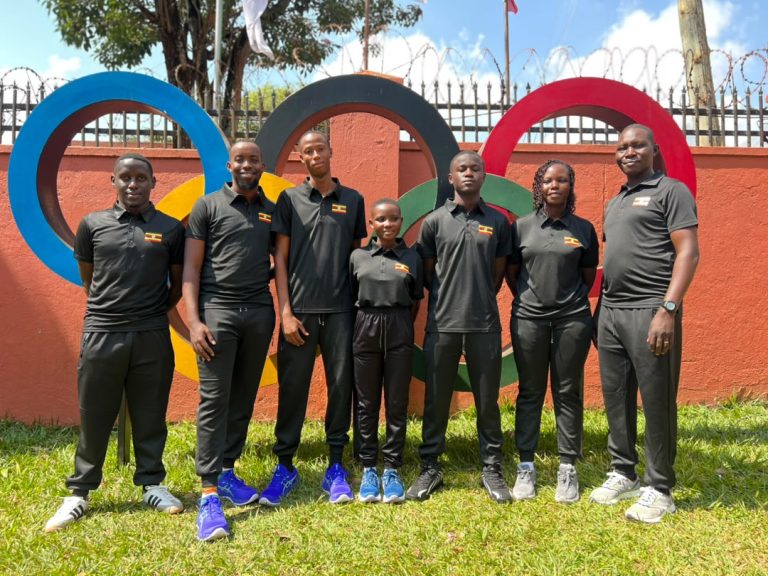 Team Uganda Flagged Off for ANOCA Zone V Youth Games in Kenya.24 Aug 2026
 -
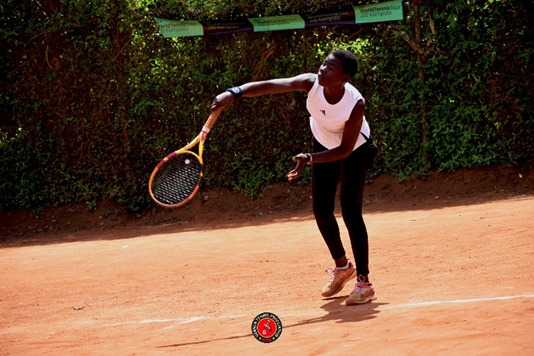 Seven Sports, One Mission: Team Uganda Ready for ANOCA Zone V Youth Games.18 Aug 2026
 -
 Uganda’s young stars ready to light up Nairobi at the ANOCA Zone V Youth Games.14 Aug 2026
 -
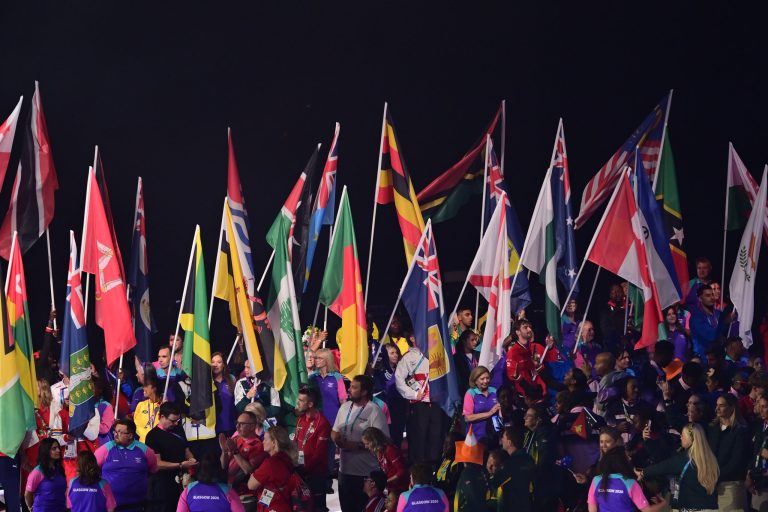 Dr. Donald Rukare, the Commonwealth Sport President’s Speech at the Closing Ceremony.03 Aug 2026
 -
 Charles Mwangushya takes lessons from Judo Defeat.03 Aug 2026
 -
 Charles Kagimu's stock increases.03 Aug 2026
 -
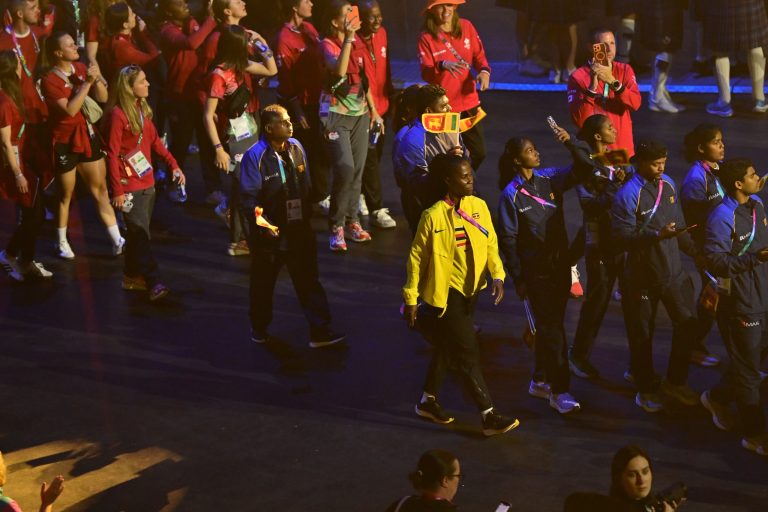 All is welll that ends well.03 Aug 2026
 -
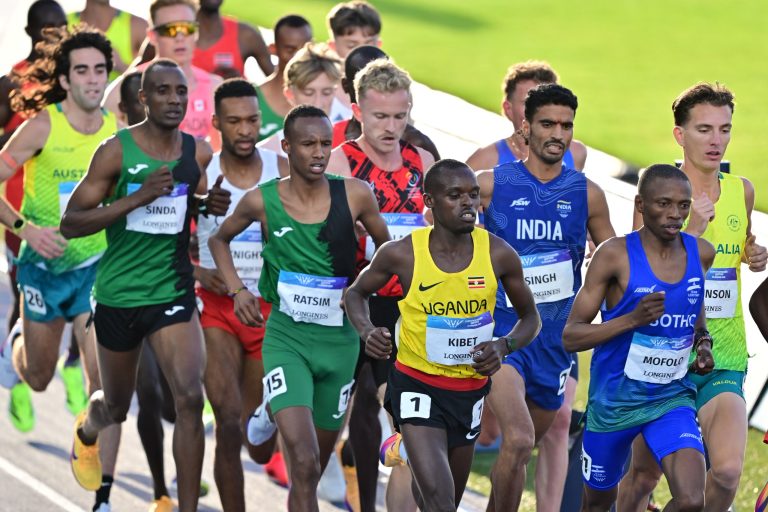 Athletics misses Gold medal for the first time in 20 years at the CWG.02 Aug 2026
 -
 Talikaza takes world number one to the wire.02 Aug 2026
Day Two of the Community Leaders’ Engagements with G.I.R.L.S Against Gender-Based Violence
By Grace Joyce Kemigisa
The second day of the three-day community leaders’ engagement organized by G.I.R.L.S Against Gender-Based Violence project was marked by energy, collaboration, and a shared commitment to building safer communities for children. Bringing together religious leaders, cultural representatives, police officers, probation officers, safeguarding personnel, and headteachers, the session focused on practical solutions—particularly the mapping of referral pathways for survivors of gender-based violence (GBV).
A central theme of the day was understanding and strengthening referral pathways.
Participants were divided into groups and assigned numbers to facilitate interactive discussions. Each group selected a rapporteur responsible for presenting their findings, ensuring that learning was shared collectively.
The exercise challenged leaders to think critically about reporting mechanisms within their communities. Questions such as “Where does a survivor report first?” and “Who are the professional officers involved?” guided the discussions.
Participants explored how cases may begin at the school level, with a senior woman or safeguarding officer, before progressing to community structures and eventually to the police.
Emphasis was placed on accessibility. Many community members face barriers to reporting, including distance to police stations and fear of stigma. As a result, local council leaders (LCs) were highlighted as trusted first points of contact. From there, cases can be formally referred to the appropriate authorities.
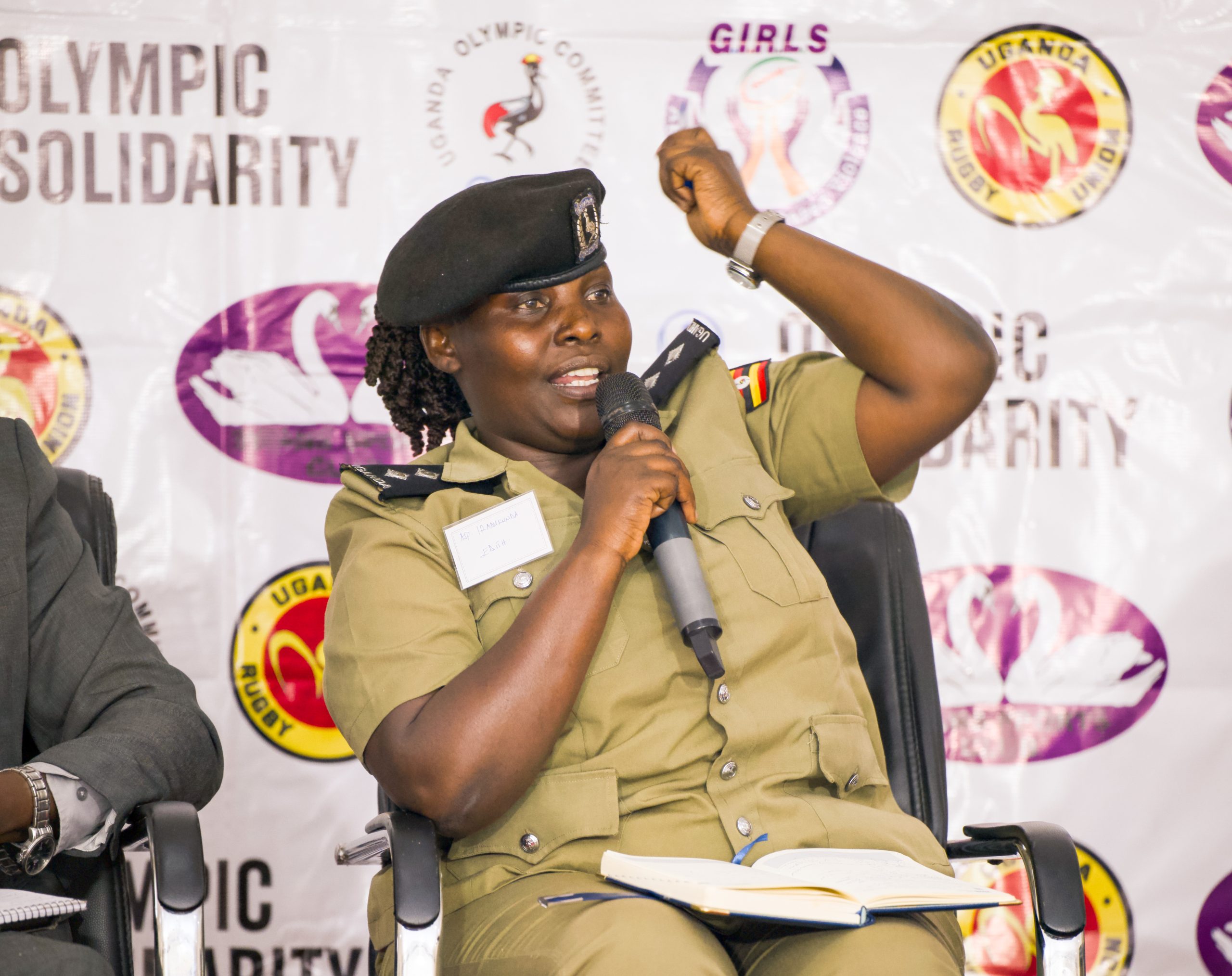
ASP Natukunda Edith a Community Liaison Officer in Entebbe underscored the importance of teamwork: “Gender-based violence is a serious call to all of us. It is not for one person to fight—it requires a collective effort between the police, the community, local leaders, politicians, and many others.”
She explained that the police have established gender desks, child and family protection departments, and rapid response teams specifically to handle GBV cases. Collaboration with probation officers and courts ensures that cases are not only reported but also followed through to conclusion.
According to Regina Hellen Okoit Lunyolo, Project Leader G.I.R.L.S Against Gender-Based Violence through Sports initiative, the engagement has been transformative so far. Leadership, she noted, has been explored as a shared responsibility.
“So far, we have covered leadership as a shared responsibility,” she said. “The communication and engagements for our community leaders have been very powerful, lived experiences have been shared, and commitments have been made to create safe environments for our children both at school, at home, and in our communities.”
Attendance on the second day reflected genuine commitment. Participants included leaders from both Christian and Muslim communities, a cultural leader from the Buganda Kingdom, police representatives, probation officers, safeguarding personnel, and school headteachers. Their presence signalled a united front against GBV.
“As Swans sports club,” Regina added, “we recognise that the need to address gender-based violence in our community is real. We believe that through this engagement—and many more to come we can reduce cases of gender-based violence in the next few years.”
Throughout the discussions, GBV was described not merely as a local issue but as a global pandemic. Participants acknowledged its many forms: physical, emotional, verbal, psychological, and sexual. Sexual harassment, in particular, was identified as one of the most difficult issues to address because it often occurs out of public view and is rarely discussed openly, especially in African contexts.
Online harassment was also highlighted as an emerging and growing threat. With increasing internet access and social media use, new forms of abuse are affecting young people in ways that require urgent and coordinated responses.
“Gender-based violence is a societal challenge,” Regina emphasised. “It is not easily brought to light, especially sexual harassment. But it is time we have these vital conversations.”
Likwu Azam, Deputy Head of Kiwafu Moslem primary school, reflected on the vulnerability of girls in particular. She spoke passionately about the need to guide, counsel, and protect them from harmful influences, including peer pressure and exploitation.
“With the issue of gender violence among our people especially the girl child we must guide, counsel, and fight out the bad deeds in the nation,” she said. “Girls are a vulnerable group. As leaders, we must work with parents, provide support, and ensure they do not go astray.”
She called for stronger parental engagement and greater involvement of women in national security efforts, emphasising that safeguarding children today is an investment in responsible citizens tomorrow.
Generally, Day Two demonstrated that addressing gender-based violence requires more than awareness it demands structured systems, clear referral pathways, and committed leadership. By bringing together diverse community stakeholders, the engagement fostered coordination, improved communication, and strengthened trust among institutions.
Most importantly, it created a platform for open dialogue in a context where such conversations are often avoided. Through shared experiences, practical planning, and collective commitment, the participants laid the groundwork for lasting change.
As the engagement moves into its final day, one message remains clear: ending gender-based violence is a shared responsibility. When community leaders unite, speak up, and act decisively, safer environments for children become not just an aspiration but a tangible goal.