LATEST NEWS
*******
-
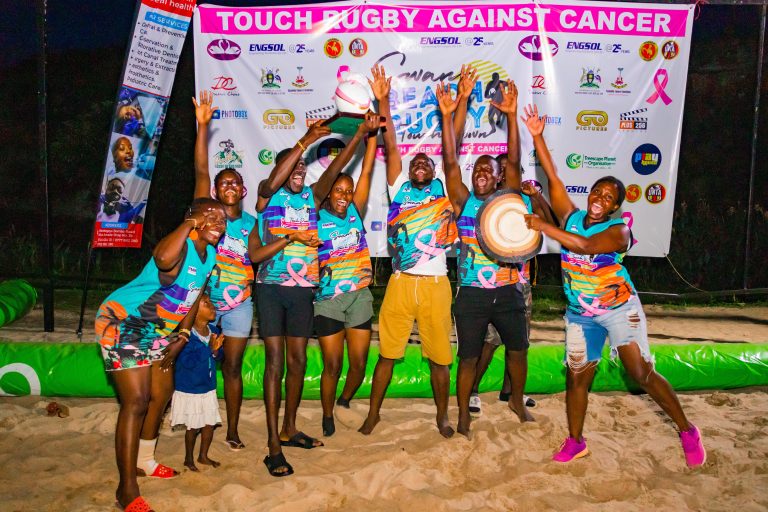 Legacy Holders Crowned Champions at Swans Beach Rugby Against Cancer Festival 2026.14 Oct 2026
 -
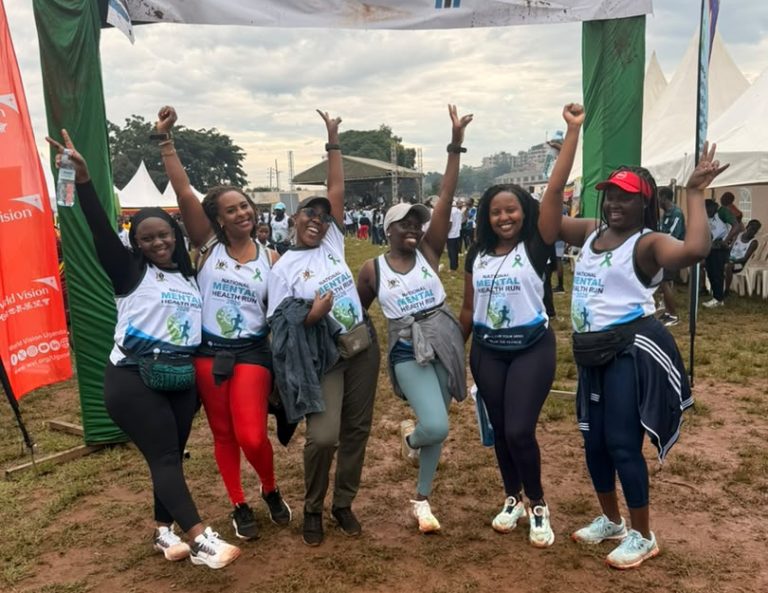 UOC Joins National Mental Health Run, Calls for Greater Investment in Youth Well-being.13 Oct 2026
 -
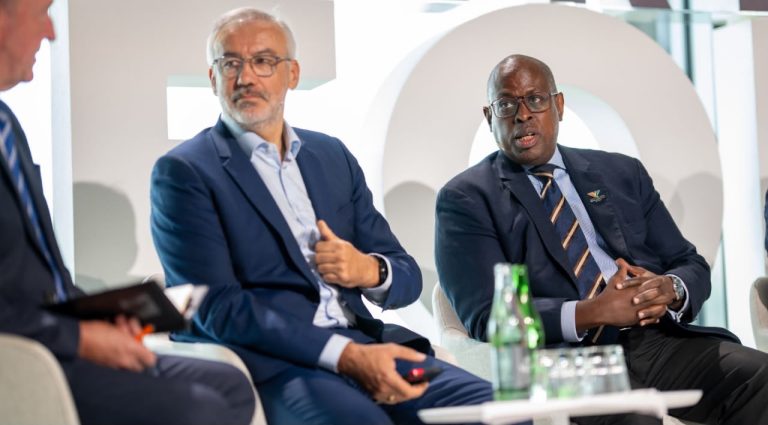 Dr Donald Rukare Joins Global Sports Leaders to Discuss the Future of Major Sporting Events.08 Oct 2026
 -
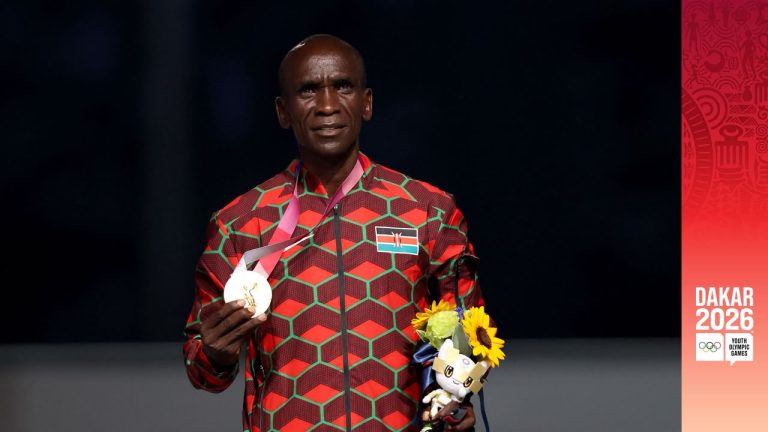 Eliud Kipchoge to Inspire the Next Generation as Dakar 2026 Global Ambassador.29 Sep 2026
 -
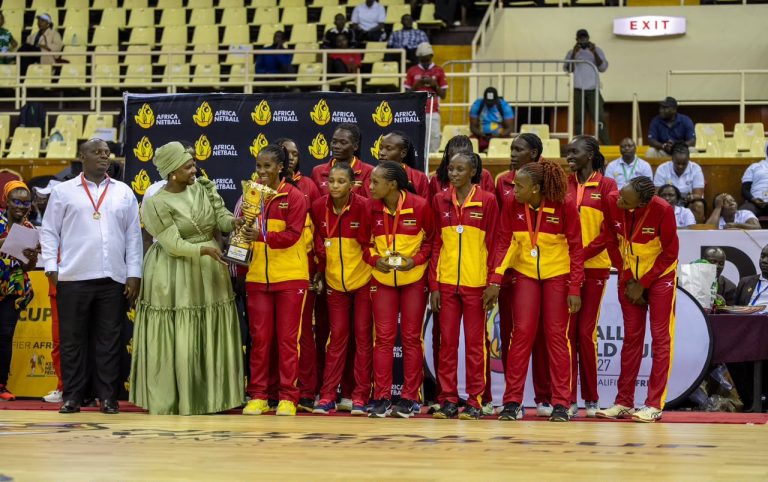 Uganda’s Netball Teams Make Their Mark in Nairobi as She Cranes Reclaim African Crown.29 Sep 2026
 -
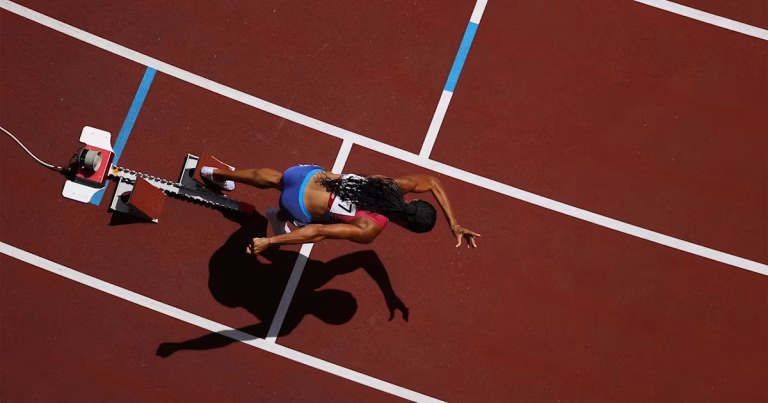 IOC Launches Trustworthy AI Framework to Guide Responsible Use of Artificial Intelligence Across the Olympic Movement.29 Sep 2026
 -
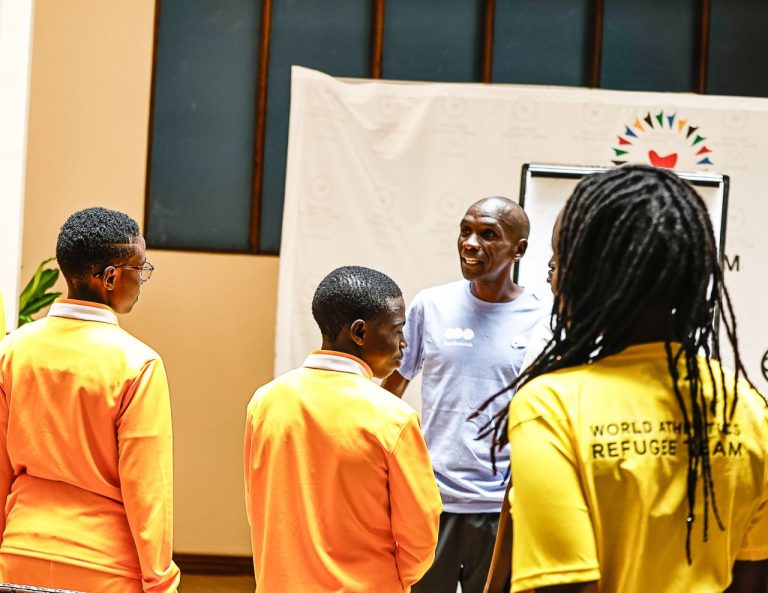 Olympic Values in Action: Eliud Kipchoge Mentors Dakar 2026 Refugee Olympic Team Athletes.17 Sep 2026
 -
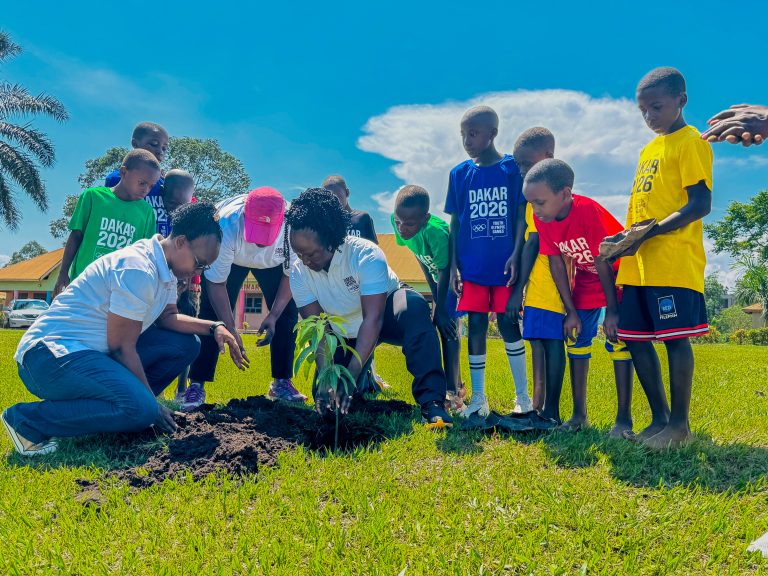 Dakar 2026 Flame Tour Brings Olympic Spirit to Gayaza.14 Sep 2026
Silverbacks Squad for 2027 WC Africa Qualifiers Unveiled, Eye Strong Showing in Group D
By Grace Joyce Kemigisa
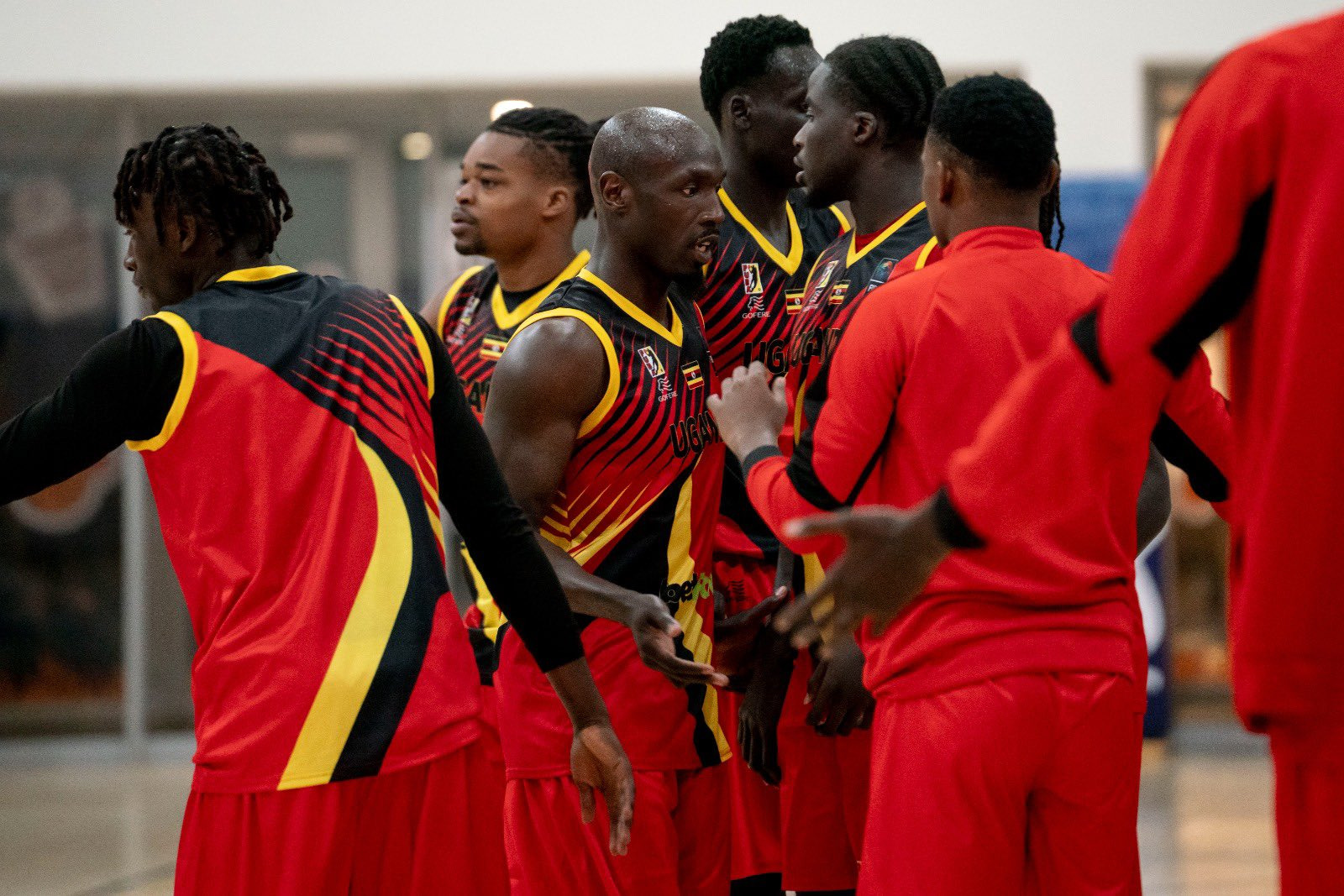
Uganda’s national men’s basketball team, the Silverbacks, have unveiled 12 players summoned for the upcoming FIBA Basketball World Cup 2027 African Qualifiers, with the team departing for a training camp in Alexandria on Thursday this week.
Headlining the squad is debutant Nike Sibande Dejur, an American-born guard who fills the team’s naturalised player slot. Under FIBA regulations, each national team is allowed one naturalised player. Uganda has had the likes of Ishmail Wainright, Brandon Davies and Jackson Moni occupy this same role before.
Sibande currently plays for Niners Chemnitz in Germany’s Basketball Bundesliga and features in the EuroCup, bringing valuable international experience to the roster.
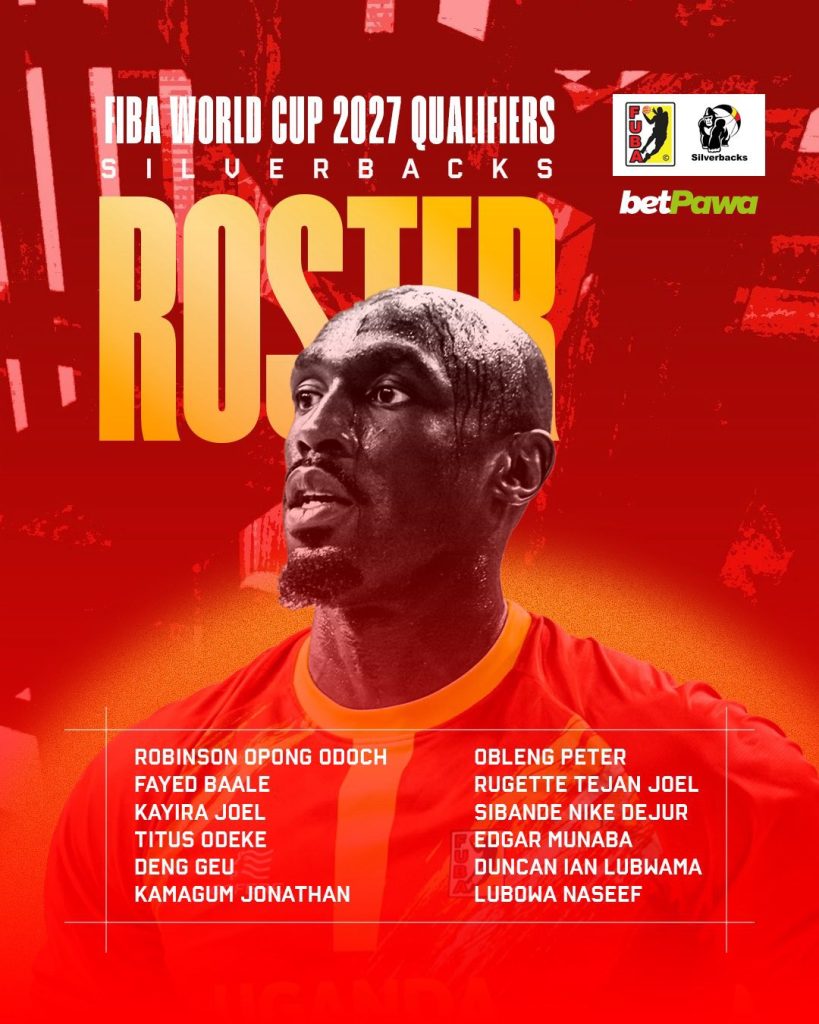
The squad reflects a deliberate balance between locally based and foreign-based players. Among those plying their trade at home are Fayed Baale – City Oil, Joel Kayiira – City Oil, Titus Lual Odeke – City Oil, Peter Obleng – Namuwongo Blazers, Ian Lubwama – JT Jaguars and Edgar Munaaba – City oil.
Team manager Albert Ahabwe emphasized that selection is rooted in performance, fitness, availability and tactical needs.
“Team selection is based on what we’ve seen from the players leading up to the tournament, the needs of the team depending on the opponent, availability, match fitness and experience,” Ahabwe noted. “We try to select the best possible 12 regardless of where they play — they’re Ugandans. However, the base of our basketball product is home, so it’s important that home-based players are sufficiently represented.”
He added that chemistry remains central to the team’s identity. “Most of the players already know each other. The habits built within our program over the years help strengthen that bond.”
Uganda is one of 16 African nations competing for five available places at the 2027 World Cup, which will be staged in Doha, Qatar.
The qualification campaign will unfold across five windows: –
• First Round (November 2025, February 2026, July 2026):
The 16 teams are divided into four groups of four. Each team plays the other three in home-and-away tournament formats, totalling six games. The top three teams from each group advance.
• Second Round (August 2026, February 2027):
The 12 remaining teams merge into two new groups of six, carrying over their First-Round results. Each team plays six additional games against the three new opponents in their group. The top two teams from each group, plus the best third-placed team overall, qualify for the World Cup.
The format mirrors the system used in the 2019 and 2023 editions of the global showpiece.
Uganda has been placed in Group D alongside Mali, Angola and Egypt a pool widely viewed as one of the toughest in the qualifiers.
Egypt will host the Group D games at the Borg Al Arab Sports Hall in Alexandria, with action tipping off on February 26 as Uganda opens its campaign against Angola.
Ahabwe acknowledged the challenge ahead.
“We are in the group of death, so it will be tough. But our strategy is simple: compete. The short preparation time is always an encumbrance, especially with players arriving late from club duties. This time, however, we have a full week rather than the usual two or three days. We’ll focus on the opportunity rather than the challenges.”
He described the team’s most realistic objective as giving their all and remaining competitive throughout.
“We want our players and fans across the nation and the world to embrace the National Team, be proud of it and aspire to be part of it. How well we perform will inspire the next generation and keep the conveyor belt of talent moving.”
Ahabwe also underscored the vital role played by sponsors, government and federation leadership in supporting the program. While grateful for existing backing, he expressed hope for increased resources and improved infrastructure including an international-standard facility in the capital to enable Uganda to host future qualifiers and strengthen fan engagement.
Silverbacks Squad:
Fayed Baale, Joel Kayiira, Titus Lual Odeke, Deng Geu, Jonathan Komagum, Peter Obleng, Robinson Opong Odoch, Tejan Joel Rugette, Nike Sibande Dejur, Edgar Munaaba, Naseef Lubowa, Ian Lubwama.
Coaching Staff:
Goran Lojo (Head Coach), Mandy Juruni (Assistant Coach), Secerovic Armin (Second Assistant/Video Analyst), Andrew Tendo (Third Assistant).
With a blend of emerging talent and seasoned experience, the Silverbacks now turn their focus to Alexandria and to the long, demanding road that leads to Doha 2027.