LATEST NEWS
*******
-
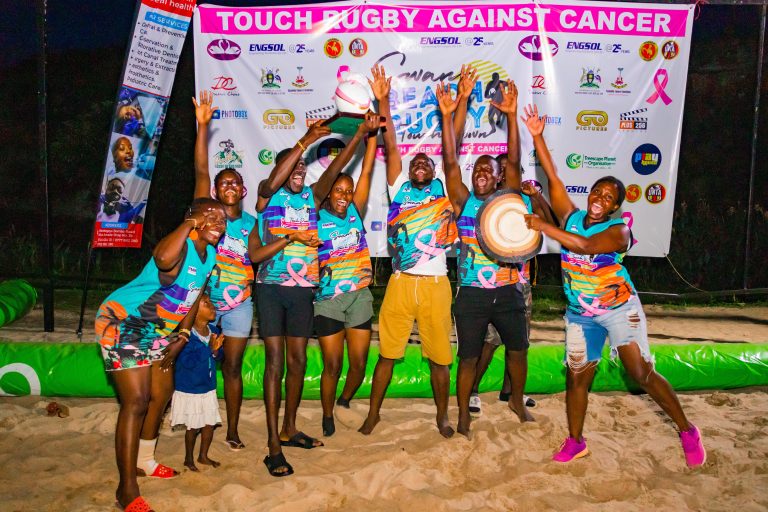 Legacy Holders Crowned Champions at Swans Beach Rugby Against Cancer Festival 2026.14 Oct 2026
 -
 UOC Joins National Mental Health Run, Calls for Greater Investment in Youth Well-being.13 Oct 2026
 -
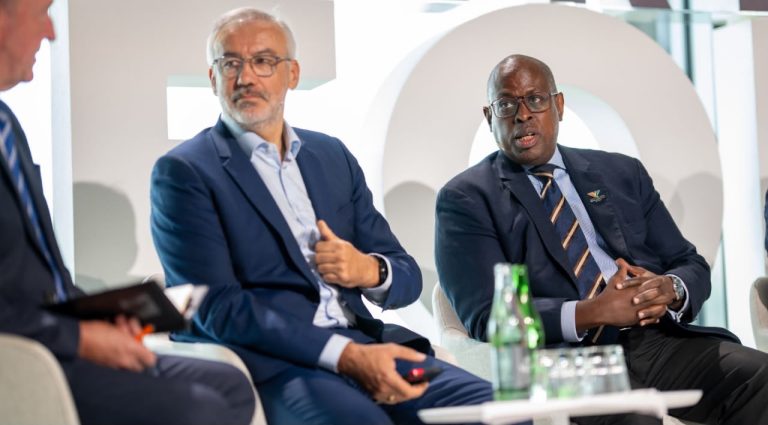 Dr Donald Rukare Joins Global Sports Leaders to Discuss the Future of Major Sporting Events.08 Oct 2026
 -
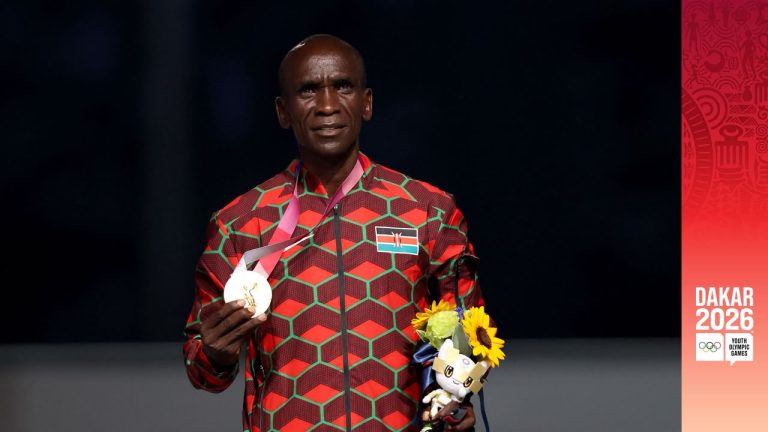 Eliud Kipchoge to Inspire the Next Generation as Dakar 2026 Global Ambassador.29 Sep 2026
 -
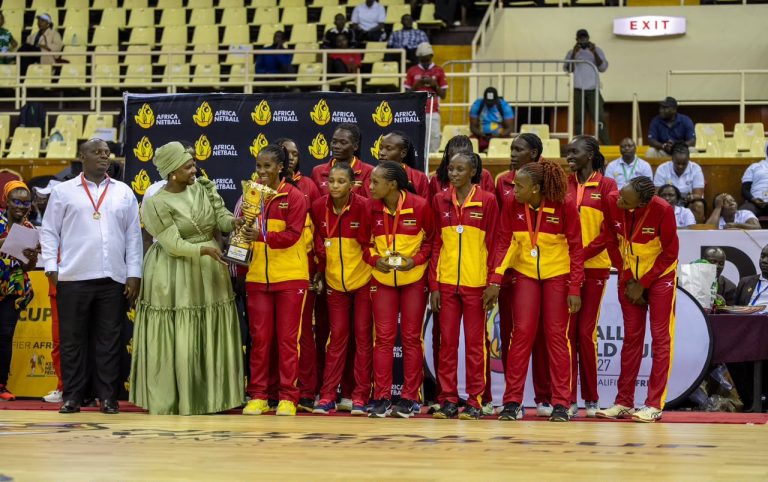 Uganda’s Netball Teams Make Their Mark in Nairobi as She Cranes Reclaim African Crown.29 Sep 2026
 -
 IOC Launches Trustworthy AI Framework to Guide Responsible Use of Artificial Intelligence Across the Olympic Movement.29 Sep 2026
 -
 Olympic Values in Action: Eliud Kipchoge Mentors Dakar 2026 Refugee Olympic Team Athletes.17 Sep 2026
 -
 Dakar 2026 Flame Tour Brings Olympic Spirit to Gayaza.14 Sep 2026
 -
 Strengthening Digital Communications Across African NOCs.14 Sep 2026
 -
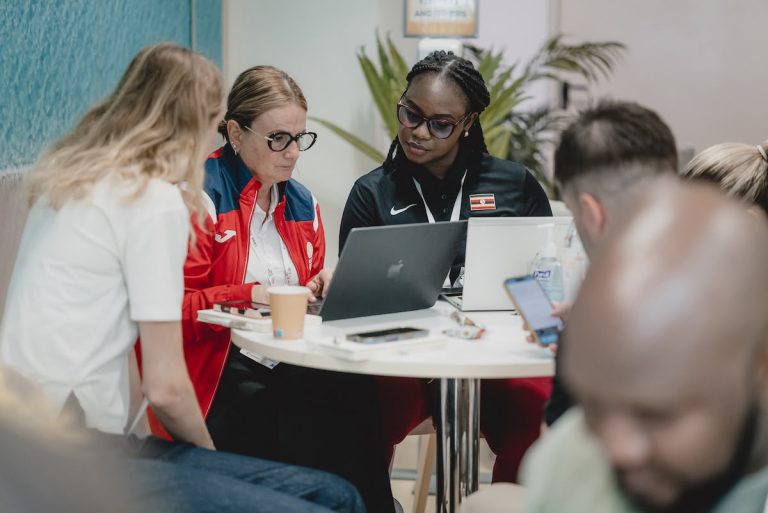 NOC Uganda at the 2nd ANOC Digital Communications Seminar | Varese in Italy.10 Sep 2026
 -
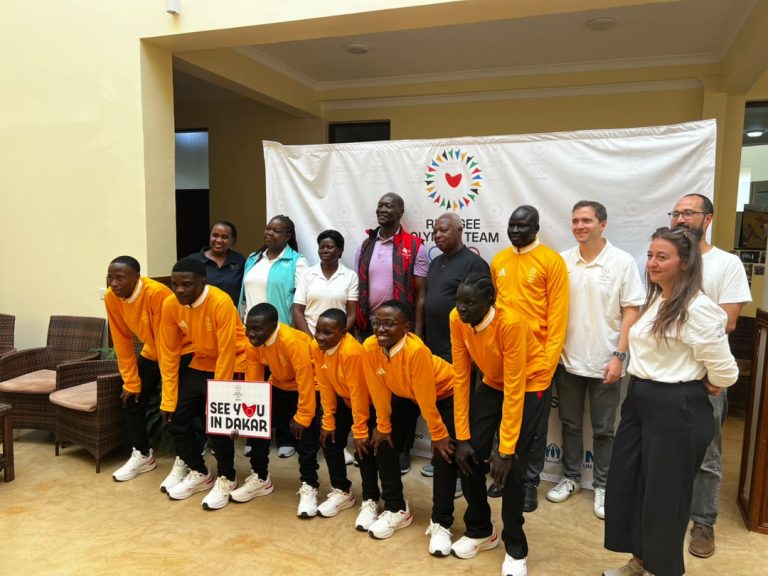 From Refugee Communities to the Olympic Stage: Africa’s Next Generation Is Making History.10 Sep 2026
 -
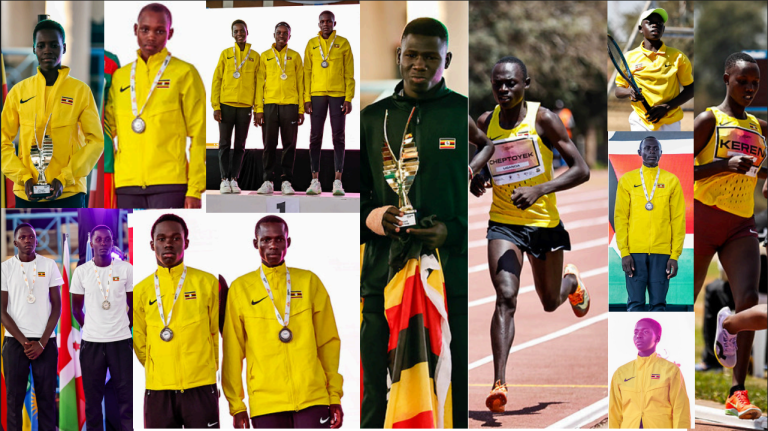 Team Uganda returns home with 23 medals from Anoca Zone V Youth Games.28 Aug 2026
 -
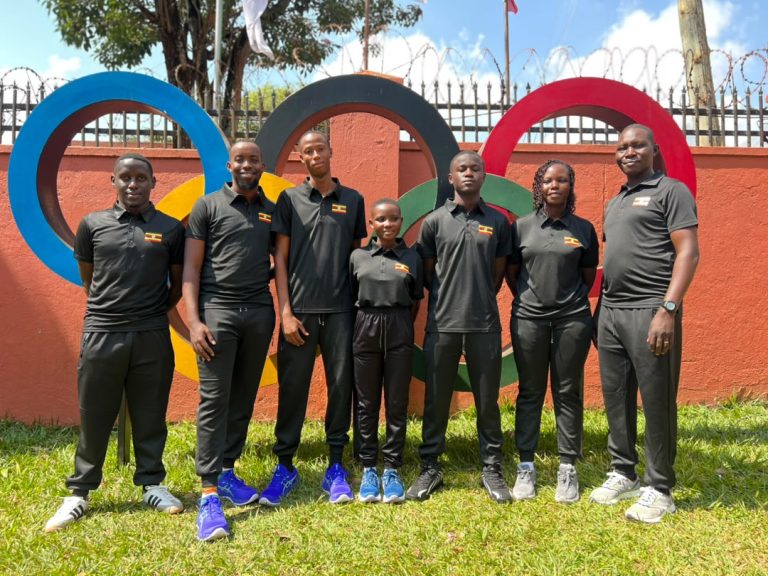 Team Uganda Flagged Off for ANOCA Zone V Youth Games in Kenya.24 Aug 2026
 -
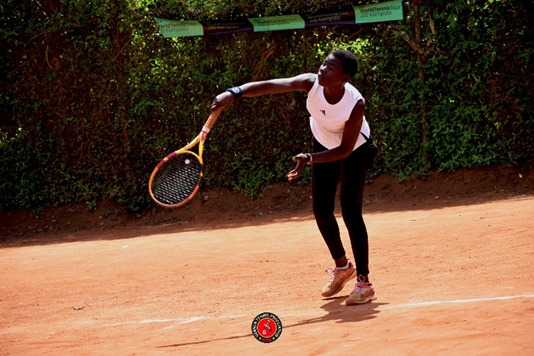 Seven Sports, One Mission: Team Uganda Ready for ANOCA Zone V Youth Games.18 Aug 2026
 -
 Uganda’s young stars ready to light up Nairobi at the ANOCA Zone V Youth Games.14 Aug 2026
Uganda Aquatics National Swimming League: A Strong Start to 2026
By Grace Joyce Kemigisa
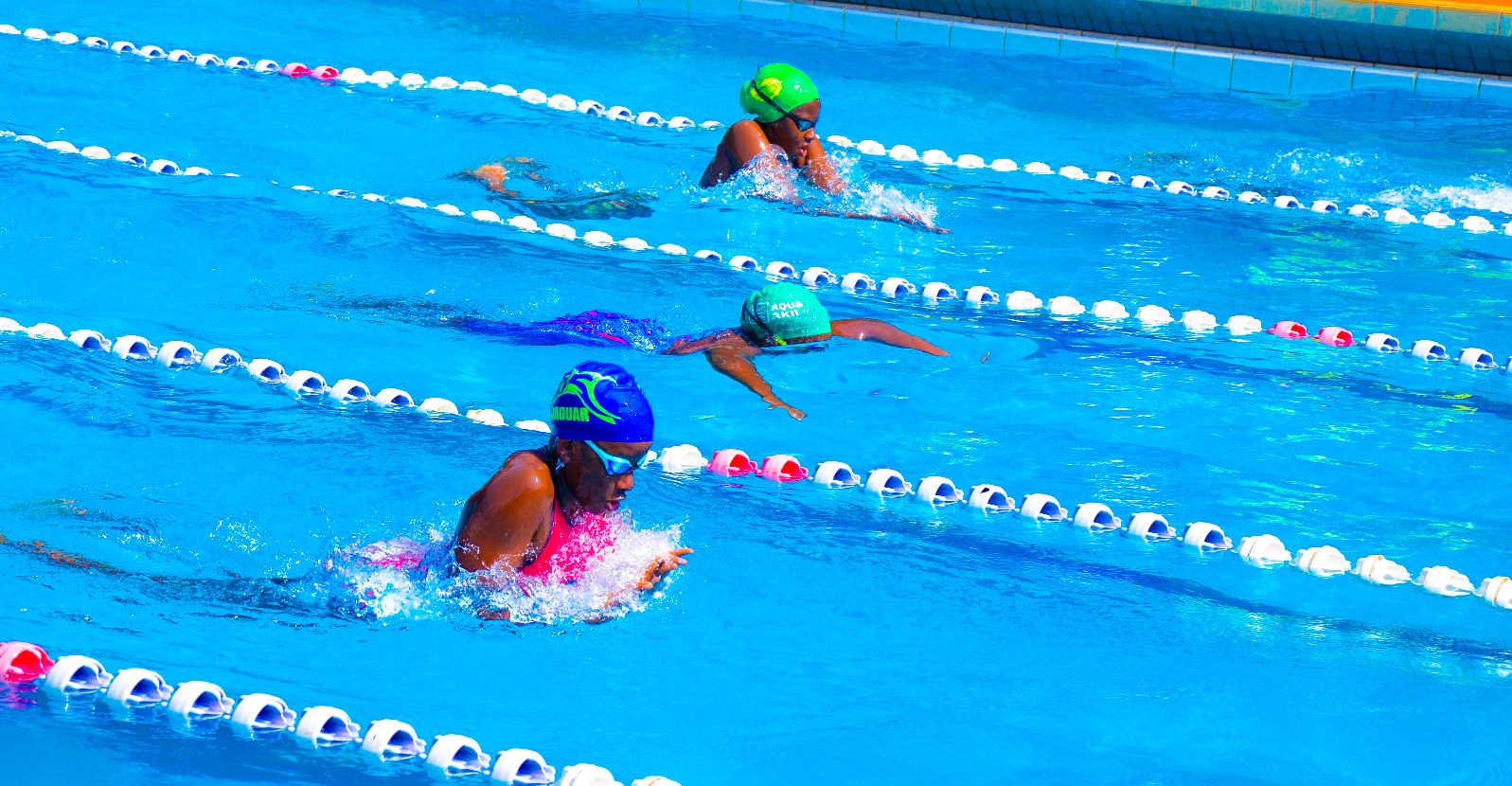
The first meet of the 2026 Uganda Aquatics National Swimming League made a powerful statement at Kampala Parents School, signalling unprecedented growth and rising standards in Ugandan competitive swimming.
With 23 teams and 631 swimmers in attendance, the meet recorded a 200 percent increase in participation compared to the same stage last year, when fewer than 300 swimmers competed. The dramatic rise reflects both heightened excitement around the league and the impact of new competition standards introduced by the Uganda Aquatics Federation.
According to the meet director Eric Kisero, the surge in entries is not accidental. It is the result of deliberate structural reforms aimed at improving competition quality and athlete accountability.
“This growth shows that people are getting more excited about the league,” the director noted. “But most importantly, the standards we’ve introduced as a federation to run competitions have triggered the increase.”
The numbers tell the story: 23 participating teams, 631 swimmers, a 200% rise compared to 2025’s opening meet; Such growth demonstrates a widening talent base and increased club engagement across the country.
Beyond participation, the level of competition has intensified significantly. One striking example was seen in the 200-meter freestyle, where certain age groups recorded over 10 heats. By comparison, at the National Championships traditionally the pinnacle domestic event many events are capped at just two heats. This disparity highlights the heightened competitive drive within the league. Swimmers are now battling not just for podium finishes, but for qualification spots.
“Everybody is fighting to qualify,” the meet director emphasized. “More competition creates better performance and that’s a very positive impact.”
The crowded heats indicate deeper fields, faster qualifying times, and increasing pressure to perform consistently throughout the season.
A key factor behind the participation boom is the league’s new status as a qualifier for the National Championships. The league is currently the only major competition apart from school games where swimmers can enter using custom times. This means coaches can submit entry times based on training performances, even if those times have not been officially recorded at a prior sanctioned meet.
However, the National Championships require proof of officially recorded times. As a result, swimmers are eager to compete in the league to: Replace custom times with verified official times, Improve their ranking in the national system and Secure eligibility for the National Championships
This shift has made the league not just a developmental platform, but a critical stepping stone for elite progression.
“Everyone wants their times reflected in the system as authentic times, not custom times,” the director explained. “That’s why numbers are increasing.”
The federation is also closely tracking performance benchmarks using motivational time standards including Double A (AA) and Triple A (AAA) classifications.
At this opening meet, several swimmers achieved Double A standards, signalling measurable improvement at the top end of the field. Federation officials are now monitoring: which swimmers are consistently hitting AA marks and who is progressing toward AAA standards.
The ultimate goal is to raise national performance benchmarks and elevate Ugandan swimming onto a stronger international footing.
“We’ve seen a few athletes recording Double A times,” the director noted. “We’ll keep monitoring to ensure that at some point we reach the AAA level — and then see how we can progress from there.”
The first meet of the 2026 season demonstrated more than just numerical growth. It showcased: Stronger structural standards, Increased athlete accountability and higher competitive intensity
With participation doubling and performance standards tightening, the Uganda Aquatics National Swimming League is positioning itself as the engine of national swimming development.
If the opening meet at Kampala Parents School is any indication, 2026 could mark a defining year for Ugandan swimming, one where deeper fields, faster times, and clearer qualification pathways combine to elevate the sport to new heights.