LATEST NEWS
*******
-
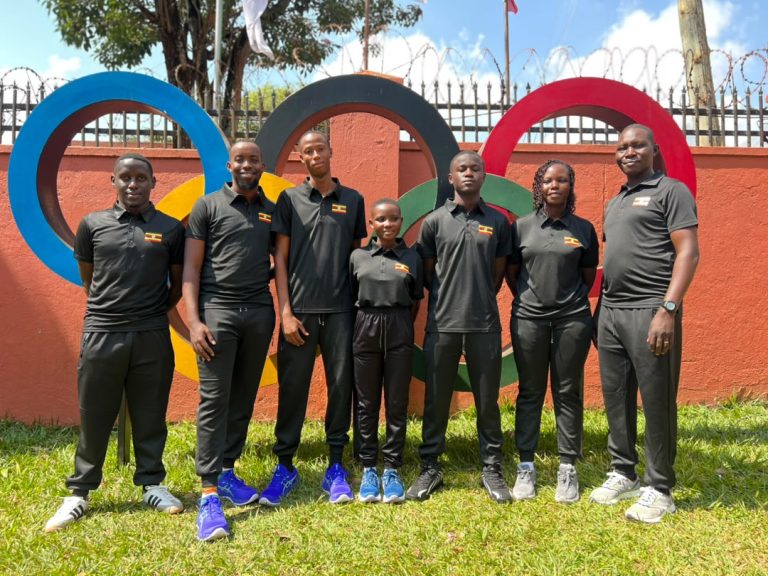 Team Uganda Flagged Off for ANOCA Zone V Youth Games in Kenya.24 Aug 2026
 -
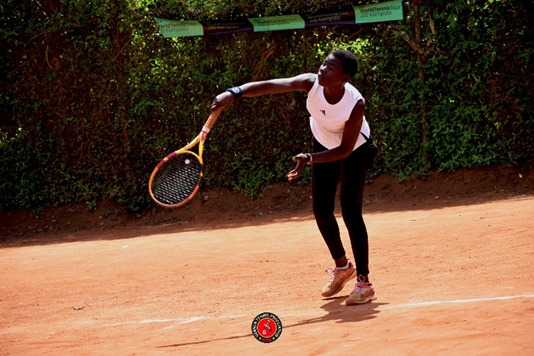 Seven Sports, One Mission: Team Uganda Ready for ANOCA Zone V Youth Games.18 Aug 2026
 -
 Uganda’s young stars ready to light up Nairobi at the ANOCA Zone V Youth Games.14 Aug 2026
 -
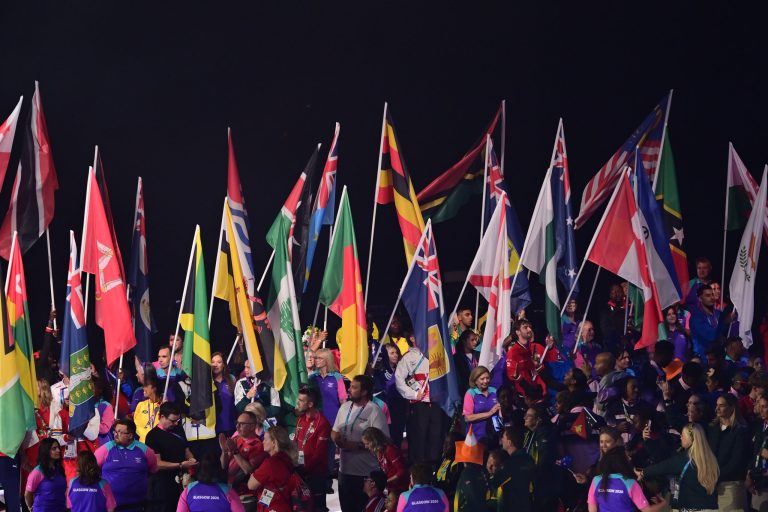 Dr. Donald Rukare, the Commonwealth Sport President’s Speech at the Closing Ceremony.03 Aug 2026
 -
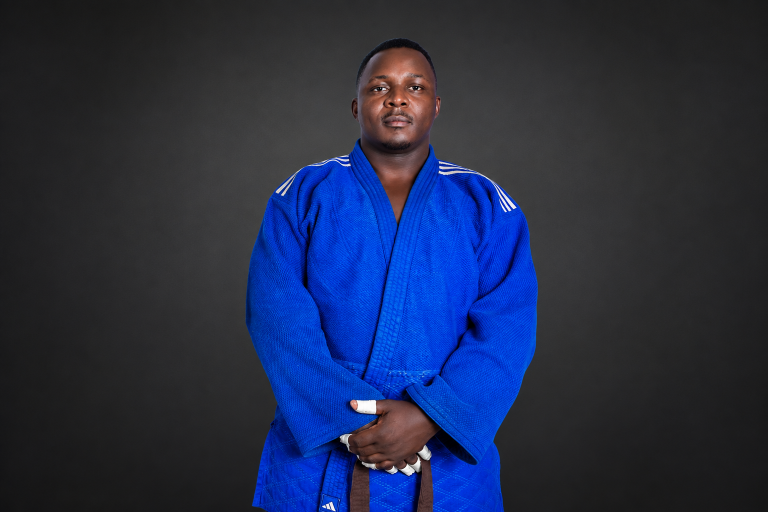 Charles Mwangushya takes lessons from Judo Defeat.03 Aug 2026
 -
 Charles Kagimu's stock increases.03 Aug 2026
 -
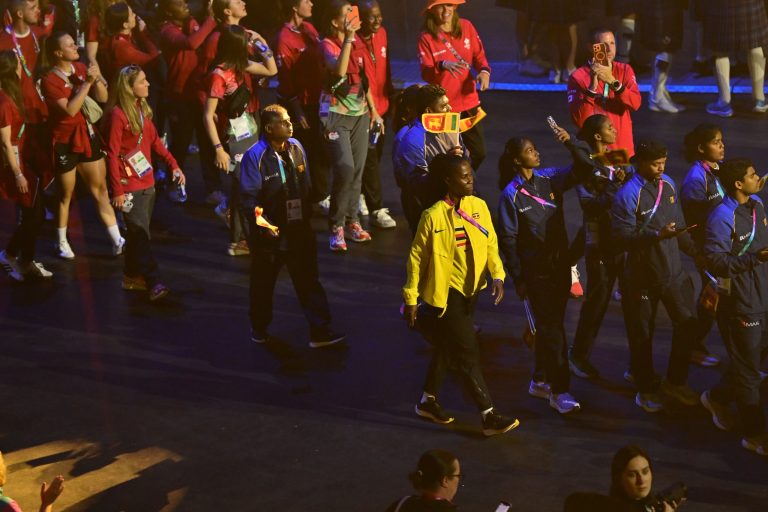 All is welll that ends well.03 Aug 2026
 -
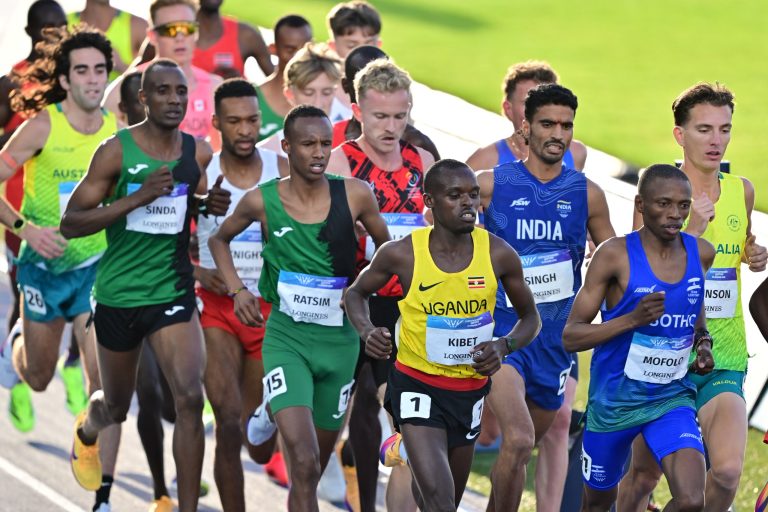 Athletics misses Gold medal for the first time in 20 years at the CWG.02 Aug 2026
 -
 Talikaza takes world number one to the wire.02 Aug 2026
 -
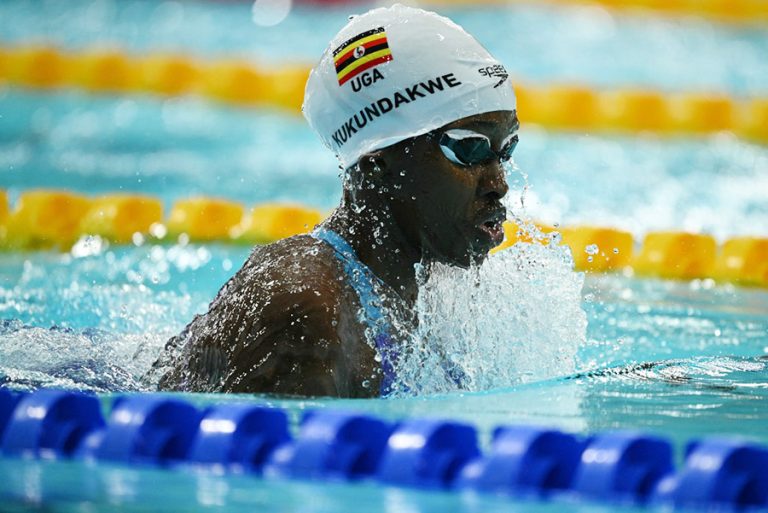 Husnah Kukundakwe writes history as swimming climaxes.01 Aug 2026
February celebrates our love for sport, where friendships bloom, and inspiration thrives. Through every competition, we forge unbreakable bonds and ignite passion in ourselves and others. Let's embrace the joy of the game together!@iocmedia @UgandaRugby pic.twitter.com/mlZwzJkHq7
— NOC UGANDA | CGA UGANDA (@Official_UOC) February 16, 2026
The 10th 2025 ASMC and SAC Graduation Ceremony.
A Story by : Grace Joyce Kemigisa

Dr. Donald Rukare : “Without trained administrators sport cannot grow regionally or internationally.”
In a spirited and candid address to sports administrators, graduates, and stakeholders, Dr. Donald Rukare, President of the Uganda Olympic Committee (UOC) and Commonwealth Games Uganda, delivered a powerful message: Ugandan sport must rise beyond perception, embrace professionalism, and fully comply with evolving national and international standards.
Speaking at the graduation ceremony of participants from the SAC Programme 2025 and ASMAC Programme 2025 held last week at the UOC offices in Lugogo, Dr. Rukare congratulated the graduates while challenging them to become agents of transformation within Uganda’s sporting ecosystem.
Dr. Rukare began by acknowledging the dedication of the programme director, facilitators, and administrative team who made the training possible. He emphasized that such achievements are not individual triumphs but collective efforts built on institutional commitment.
He noted that capacity building has been deliberately embedded within the Uganda Olympic Committee’s strategic plans—both in its initial four-to-five-year cycle and in its current edition. The rationale is simple yet profound: sustainable growth in sport depends on knowledgeable, skilled, and competent administrators.
“Without trained administrators,” he implied, “sport cannot grow regionally or internationally.”
At the heart of Dr. Rukare’s message was a reminder that training programmes are not about acquiring a certificate—they are about acquiring competence.
He highlighted event management as a practical example. Having attended numerous sporting events organized by different Ugandan federations, he observed a clear spectrum in quality. Some administrators demonstrate excellence—managing time, accreditation, medal ceremonies, and logistics effectively. Others continue to struggle with basic organizational standards.
The SAC and ASMAC programmes, he stressed, are designed to close that gap. Graduates are expected to:
• Apply the knowledge gained.
• Transmit skills within their organizations.
• Produce tangible improvements in governance and operations.
• The ultimate goal is not paperwork—but professionalism.
• Navigating Uganda’s Changing Sports Landscape
Dr. Rukare placed the discussion within the broader national context, referencing compliance requirements under the National Sports Act. The Act introduces stricter governance, reporting, and accountability standards for sports organizations.
He urged administrators to proactively position their federations and associations to meet compliance requirements, particularly in:
• Governance structures
• Financial reporting
• Transparency and integrity
• Proper use of government funding
His warning was direct: government funds come with responsibility, and accountability mechanisms may take years—but they will eventually catch up.
Confronting a Reputation Problem; Perhaps the most striking portion of the speech addressed public perception. Dr. Rukare posed a rhetorical challenge: What does the average Ugandan think of sports administrators? He suggested three common negative stereotypes:
• That sports officials are uneducated.
• That they are not serious.
• That they are involved in financial mismanagement or corruption.
He lamented that while many administrators volunteer their time and work tirelessly, media narratives often highlight conflict and scandal. The result is a credibility deficit.
His appeal was clear: graduates must become ambassadors of integrity and professionalism, helping to reshape the public image of sport in Uganda.
Dr. Rukare emphasized that Ugandan sport does not operate in isolation. Administrators must align with regional and international standards. He pointed to several critical areas requiring attention:
1. Anti-Doping and Fair Play
Compliance with international anti-doping regulations is non-negotiable. Administrators must ensure that athletes and federations adhere to global standards.
2. Safeguarding
Protecting athletes—especially minors—from abuse and exploitation is now a core governance requirement worldwide.
3. Competition Manipulation and Betting
He candidly referenced the growing threat of gambling and match manipulation. Betting-related integrity risks require vigilance and structured oversight.
4. Gender Empowerment
Globally, sport is working to strengthen gender equity both on and off the field of play. Ugandan administrators must align with this movement.
Failure to adapt to these evolving standards could isolate federations from their continental and international bodies.
In a forward-looking announcement, Dr. Rukare revealed plans for a partnership with Makerere University Business School to deliver accredited sports management courses.
He encouraged administrators to:
• Pursue further academic qualifications.
• Consider master’s degrees and PhDs.
• Remain committed to continuous learning.
However, he reiterated that academic credentials must translate into ethical leadership and operational excellence. Integrity, Compliance, and Financial Discipline
Dr. Rukare underscored financial accountability as a cornerstone of modern sports governance.
“If you cannot prepare proper financial reports,” he warned, “sponsors will not work with you—and government scrutiny will intensify.”
Transparent financial systems are not merely bureaucratic requirements; they are foundational to credibility and sustainability.
Closing his address, Dr. Rukare reaffirmed the Uganda Olympic Committee’s commitment to equipping administrators with tools to succeed. But he placed ultimate responsibility on the graduates themselves. They must: Lead by example, raise governance standards, Protect the integrity of sport, navigate national and international systems competently and move beyond certificates to character.
In doing so, they will not only strengthen their respective federations ranging from rugby to squash, baseball to fencing but also elevate Uganda’s sporting reputation regionally and globally.
Dr. Donald Rukare’s message was both celebratory and cautionary. While applauding the graduates’ achievements, he challenged them to confront hard truths about perception, compliance, and professionalism.
The future of Ugandan sport, he made clear, depends not only on athletes’ performance but on the competence and integrity of those who manage the system.
Be educated. Be serious. Be accountable; Go beyond the certificate and become the best custodians of sport that Uganda deserves.