Join us for an impactful Community Forum aimed at addressing one of the most pressing issues of our time: Gender-Based Violence. Organized under the G.I.R.L.S. initiative, this event will bring together community leaders, faith leaders, headteachers, and sports directors to… pic.twitter.com/RanSyEDzJb
— NOC UGANDA | CGA UGANDA (@Official_UOC) February 13, 2026
LATEST NEWS
*******
-
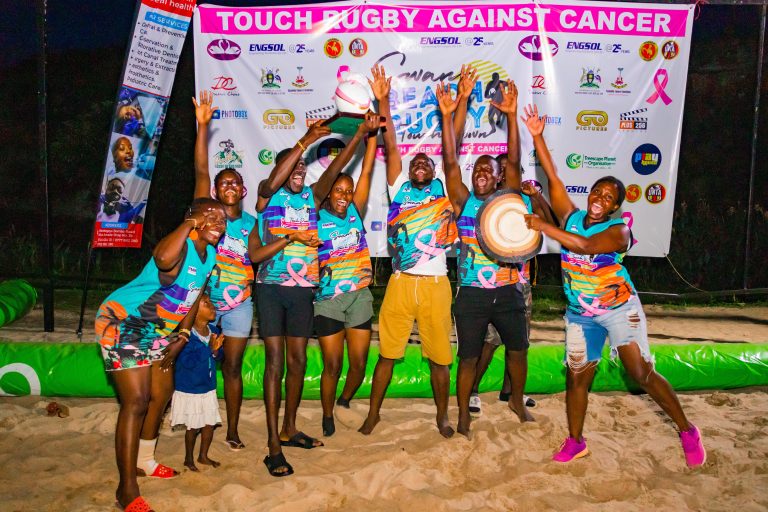 Legacy Holders Crowned Champions at Swans Beach Rugby Against Cancer Festival 2026.14 Oct 2026
 -
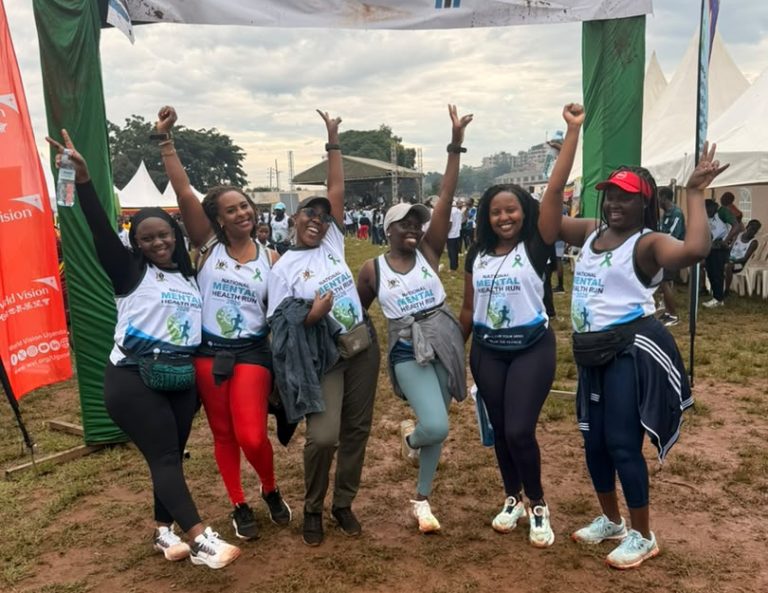 UOC Joins National Mental Health Run, Calls for Greater Investment in Youth Well-being.13 Oct 2026
 -
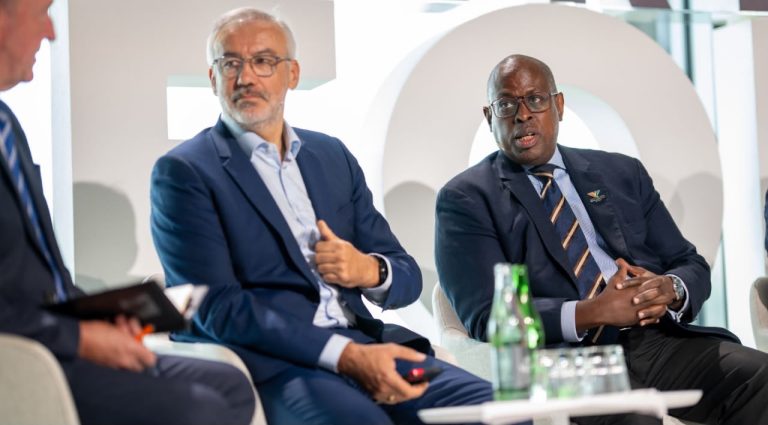 Dr Donald Rukare Joins Global Sports Leaders to Discuss the Future of Major Sporting Events.08 Oct 2026
 -
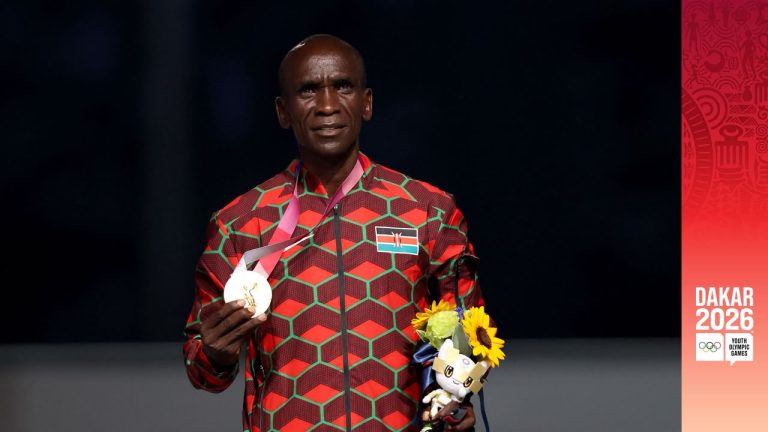 Eliud Kipchoge to Inspire the Next Generation as Dakar 2026 Global Ambassador.29 Sep 2026
 -
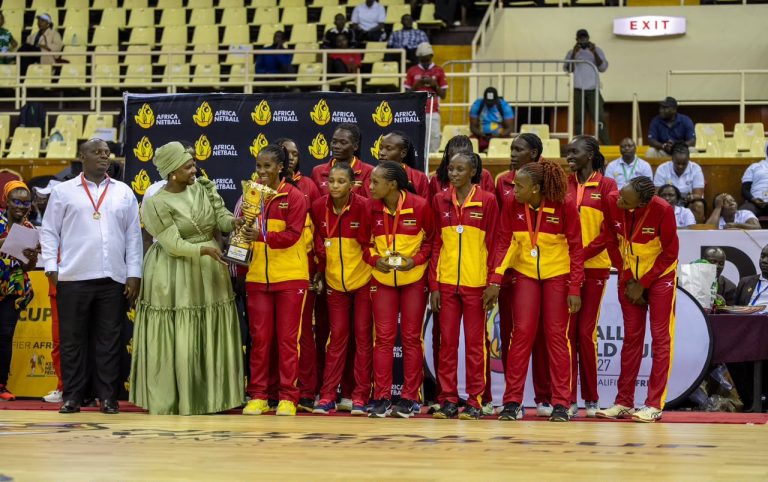 Uganda’s Netball Teams Make Their Mark in Nairobi as She Cranes Reclaim African Crown.29 Sep 2026
 -
 IOC Launches Trustworthy AI Framework to Guide Responsible Use of Artificial Intelligence Across the Olympic Movement.29 Sep 2026
 -
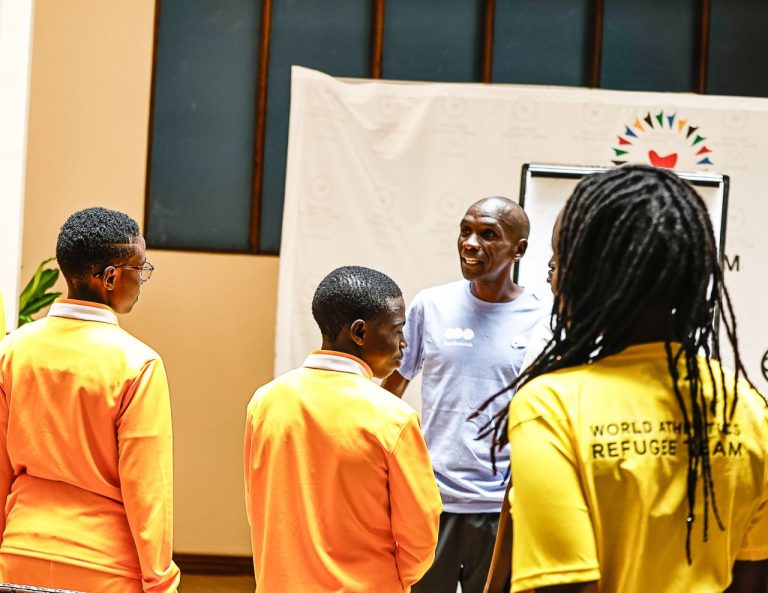 Olympic Values in Action: Eliud Kipchoge Mentors Dakar 2026 Refugee Olympic Team Athletes.17 Sep 2026
 -
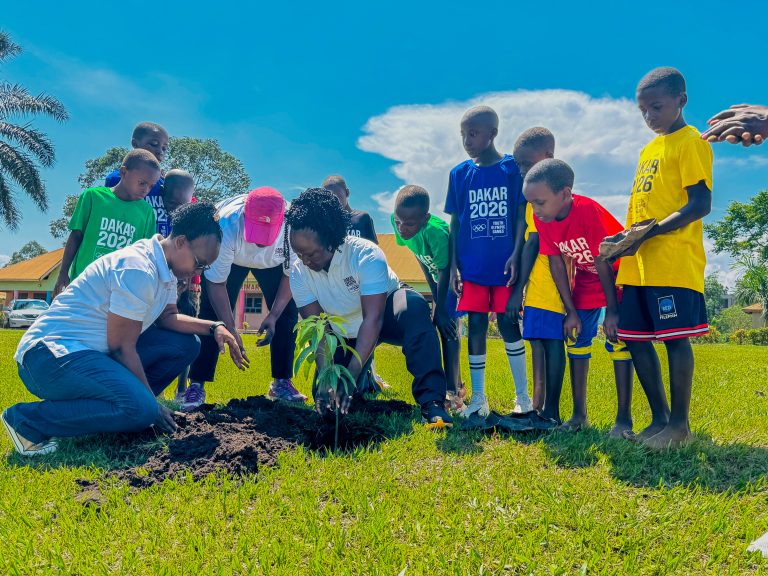 Dakar 2026 Flame Tour Brings Olympic Spirit to Gayaza.14 Sep 2026
 -
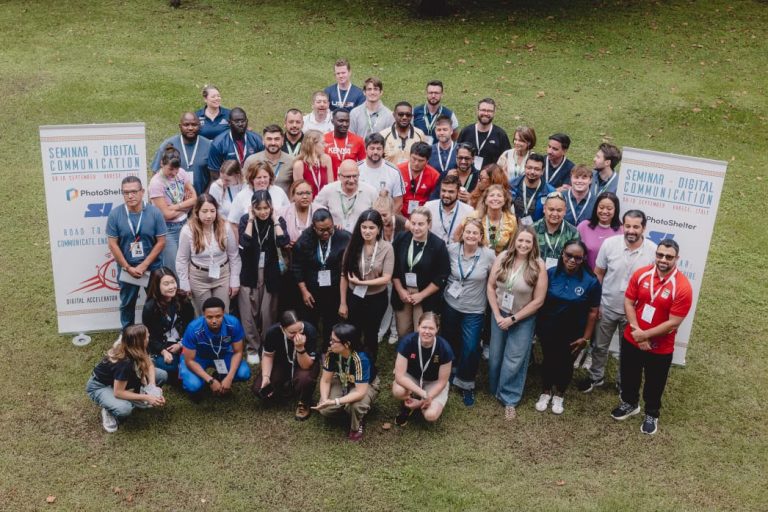 Strengthening Digital Communications Across African NOCs.14 Sep 2026
The 10th 2025 ASMC and SAC Graduation Ceremony.
By Grace Joyce Kemigisa
The 10th graduation ceremony of the Advanced Sports Management Course (ASMC) and Sports Administration Course (SAC) marked a significant milestone in Uganda’s sports development journey; organized by the Uganda Olympic Committee (UOC), with support from Olympic Solidarity, the ceremony celebrated not only the achievements of individual graduands but also a decade of sustained commitment to strengthening sports governance and administration across the country.
Representing the General Secretary of the National Council of Sports (NCS), the Head of Legal Diana Kwesiga emphasized that sports development in Uganda is finally taking structured shape. With legal frameworks now recognizing national spread and governance standards for all sports disciplines, the sector is increasingly aligning itself with global best practices.
In her message, the General Secretary underscored that development begins with orienting minds toward productivity and capacity building. Education, she noted, is a foundational pillar not only for personal growth but also for national transformation. Around the world, nations considered advanced have invested heavily in technical capacity building—and sport is no exception.
The graduation reflected a shared commitment between the NCS and UOC to bridge the longstanding deficit in professional and enlightened sports administration. Graduates were urged to actively contribute to improved governance within national sports federations and associations—areas where challenges still persist.
Programme Director George Wagogo expressed satisfaction and pride at witnessing the growth of the initiative since its inception. From modest beginnings with small cohorts, the programme has steadily expanded both in numbers and impact.
This year alone, 720 graduands completed either ASMC or SAC, bringing the total number of trained individuals to approximately 4,000 since the programme began. According to Agogo, the impact is visible not only in individual careers but also in the improved management of sports organizations across Uganda.

He further revealed that Uganda is now ranked among the best-performing countries globally in Olympic Solidarity training uptake—an achievement that reflects the country’s proactive embrace of capacity-building opportunities that many nations fail to utilize. Speakers consistently reminded graduates that the ceremony was not the culmination of their journey but rather its beginning. With the new National Sports Act creating fresh opportunities for professional engagement in the sector, graduates are well positioned to contribute meaningfully.
International pathways also remain open. Opportunities for master’s programmes, international coaching certifications, and advanced administrative training were highlighted as natural next steps for those seeking to deepen their expertise.
Graduates were encouraged to:
• Apply their skills practically within sports federations and local government structures.
• Share knowledge with peers who have not yet accessed similar training.
• Embrace leadership roles, particularly women, whose presence at the ceremony symbolized progress in a historically male-dominated field.
For Nankinga Angela, a badminton enthusiast and sports science graduate from Kyambogo University, the achievement was particularly special. Crowned Best Student in ASMC 2025, she described the journey as demanding but deeply rewarding.
Balancing work and study required focus and resilience, yet the programme expanded her vision for the sports industry. Currently serving as an intern at CFK Badminton Academy and working as a sports physiotherapist in Bukoto, Angela aspires to pursue a master’s degree in sports science ideally through international sponsorship.
She views ASMC not merely as an academic qualification but as a stepping stone toward elevating sports management standards in Uganda.
Edward Kiwanuka, a passionate rugby supporter and fans’ representative on Heathens’ executive committee, shared a different but equally compelling perspective. Entering the course as a devoted fan, he believed he already understood sport. However, ASMC fundamentally reshaped his mindset.
Through structured learning, he gained insights into governance, conflict management, and the human dimensions of sport often overlooked by spectators. He now appreciates the complexities faced by administrators, coaches, and athletes understanding that passion must be matched with knowledge and responsibility.
His transformation illustrates one of ASMC’s broader achievements: turning enthusiasm into informed leadership.
A particularly powerful moment of the ceremony was the recognition of increased female participation in sports administration. Years ago, the sector was overwhelmingly male-dominated, not only among athletes but also in governance structures.
The visible presence of women among the graduands symbolized a shift toward inclusivity and empowerment. Female leaders were urged to seize opportunities and take up positions of responsibility, reinforcing that sports administration is no longer the preserve of one gender.
The graduation also highlighted the importance of extending capacity building to local government districts, where talent identification and nurturing begin. Collaboration between UOC, NCS, national sports federations, and the Ministry of Education and Sports remains central to ensuring that governance improvements are felt at every level.
The ceremony ultimately stood as evidence of a decade-long investment in strengthening Uganda’s sports ecosystem one rooted in education, professionalism, and shared responsibility. As the 10th cohort joins thousands of alumni across the country, the message was clear: this achievement carries responsibility. The sports sector requires enlightened, ethical, and competent administrators to match the growing talent pool of athletes.
With legal reforms underway, international recognition growing, and a new generation of trained administrators stepping forward, ASMC and SAC graduates are poised to shape the next chapter of Uganda’s sports story.
The certificates they received symbolize more than academic success they represent a collective commitment to building a stronger, more professional, and more inclusive sports industry for Uganda’s future.