Today, the finance training session, specifically for the heads of member federations, including the accountants and treasury officers responsible for finance of different member federations was held at the Uganda Olympic Committee Offices in Lugogo. pic.twitter.com/nXKkGa35M7
— NOC UGANDA | CGA UGANDA (@Official_UOC) January 24, 2026
LATEST NEWS
*******
-
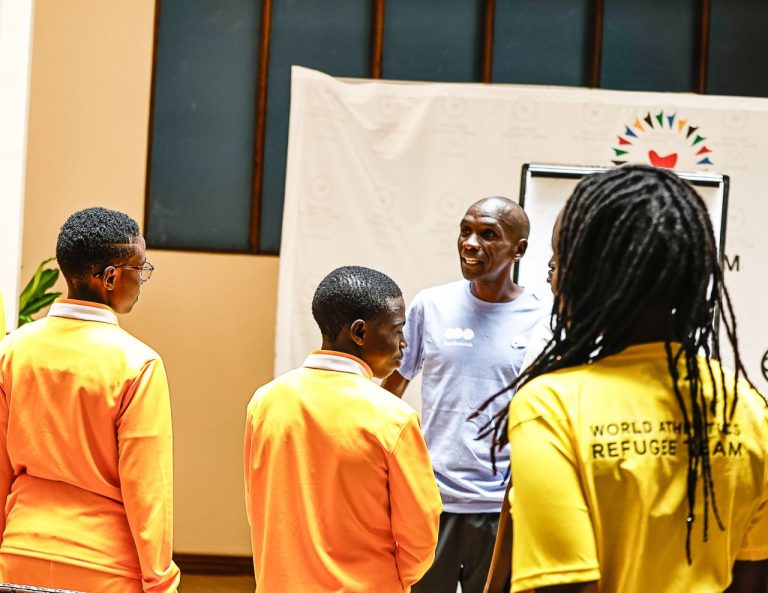 Olympic Values in Action: Eliud Kipchoge Mentors Dakar 2026 Refugee Olympic Team Athletes.17 Sep 2026
 -
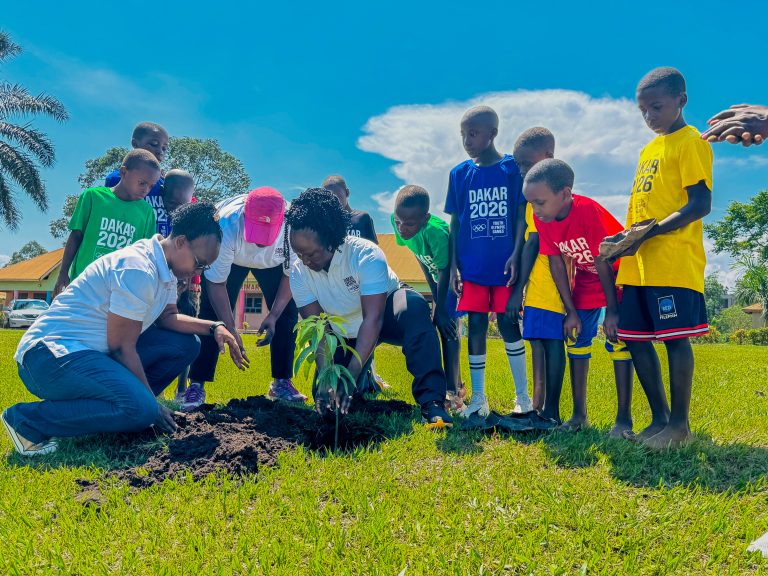 Dakar 2026 Flame Tour Brings Olympic Spirit to Gayaza.14 Sep 2026
 -
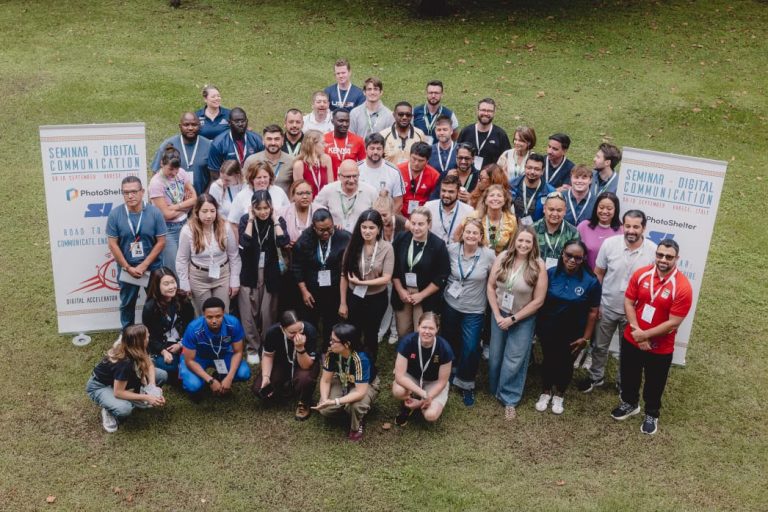 Strengthening Digital Communications Across African NOCs.14 Sep 2026
 -
 NOC Uganda at the 2nd ANOC Digital Communications Seminar | Varese in Italy.10 Sep 2026
 -
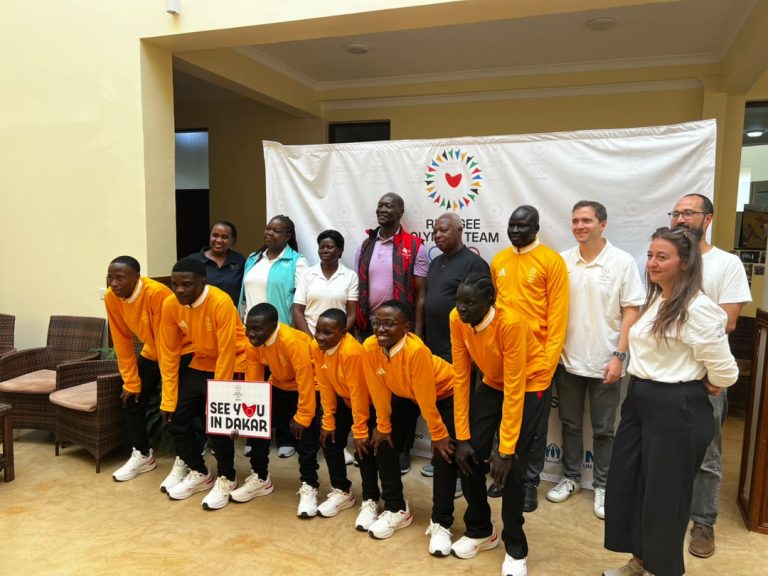 From Refugee Communities to the Olympic Stage: Africa’s Next Generation Is Making History.10 Sep 2026
 -
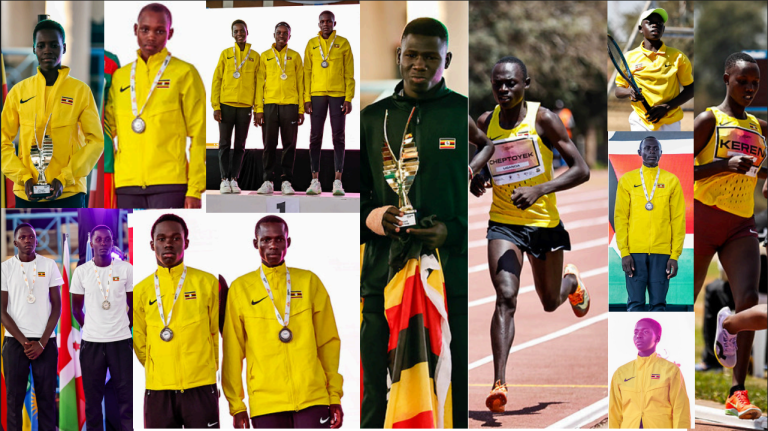 Team Uganda returns home with 23 medals from Anoca Zone V Youth Games.28 Aug 2026
 -
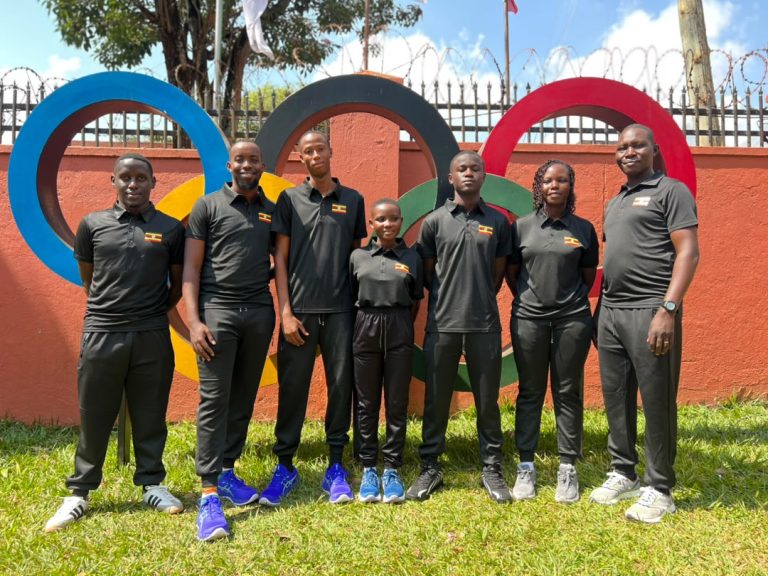 Team Uganda Flagged Off for ANOCA Zone V Youth Games in Kenya.24 Aug 2026
 -
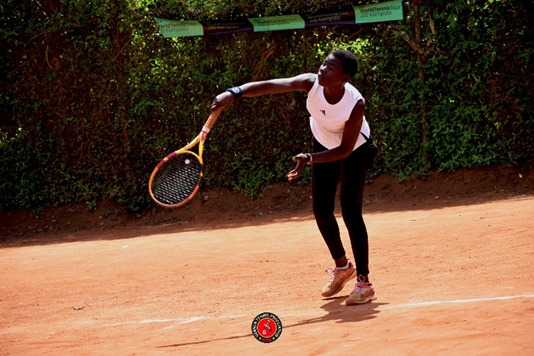 Seven Sports, One Mission: Team Uganda Ready for ANOCA Zone V Youth Games.18 Aug 2026
 -
 Uganda’s young stars ready to light up Nairobi at the ANOCA Zone V Youth Games.14 Aug 2026
 -
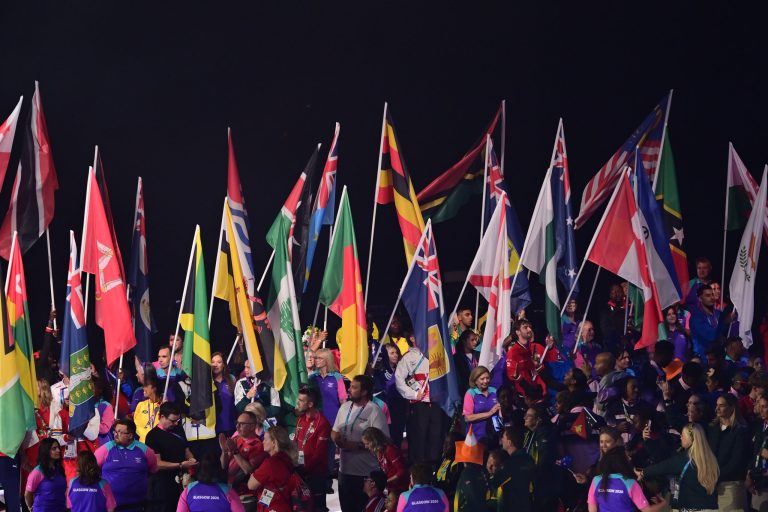 Dr. Donald Rukare, the Commonwealth Sport President’s Speech at the Closing Ceremony.03 Aug 2026
 -
 Charles Mwangushya takes lessons from Judo Defeat.03 Aug 2026
 -
 Charles Kagimu's stock increases.03 Aug 2026
 -
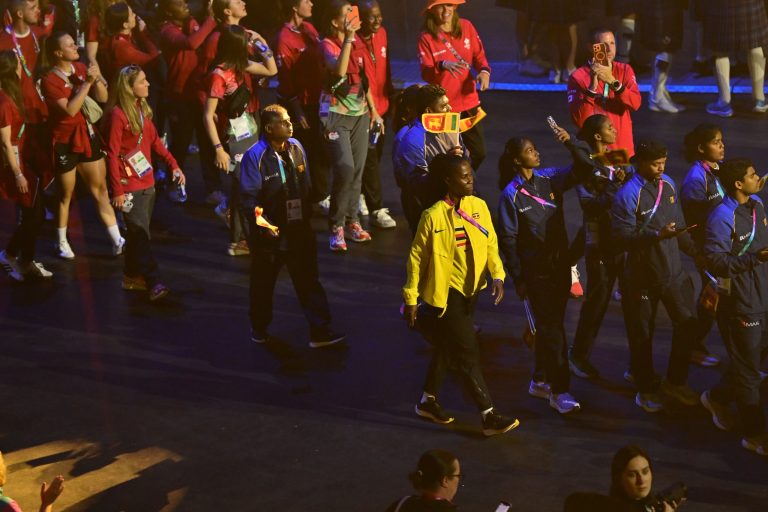 All is welll that ends well.03 Aug 2026
 -
 Athletics misses Gold medal for the first time in 20 years at the CWG.02 Aug 2026
Cricket Uganda prioritizes pathways, prudence and performance in 2026 calendar
Cricket Uganda (CU) has unveiled an ambitious yet carefully balanced calendar for 2026, signaling a deliberate shift away from short-term pursuit of results toward sustainable success built on strong development pathways, regional expansion and long-term strategic alignment.
After an aggressive 2025 programme that stretched financial and operational resources, the Organisation has opted for a leaner, more focused approach this year—one that tightens spending without sacrificing the future of the game.
A Reset with Purpose
Cricket Uganda has acknowledged that last year’s heavy investment in high-performance activities failed to deliver the desired outcomes, leaving the association financially strained.
The 2026 calendar has therefore been intentionally streamlined, featuring fewer activities but with a sharper emphasis on impact and long-term value.
The largest investment this year is in pathway programmes, particularly at under-19, under-17 and under-15 levels. Rather than relying on a familiar or limited talent pool, CU is deliberately “casting the net wide” to identify and nurture promising young cricketers across the country at an early stage.
Anchored to a Five-Year Vision
The calendar is firmly rooted in Cricket Uganda’s new five-year strategic plan, developed in November last year. “Every scheduled activity is designed to deliver measurable outcomes five years from now, especially in junior development and the depth of national teams.” – said the General Secretary Denis Musali “A central ambition of the strategy is for Uganda’s junior sides to qualify consistently for ICC World Cups.” He continued
To support this goal, CU has strengthened development structures to ensure young players are equipped with the right technical skills, supported holistically, and given sufficient competitive exposure to grow into “generational talents” capable of shaping the future of Uganda cricket.
Addressing Gaps: Performance, Funding and Visibility
Rather than masking past weaknesses, the 2026 calendar directly targets gaps identified in previous years. A key focus is improving Uganda’s standing on the ICC scorecard; a critical metric that influences funding allocations. With the current ICC cycle ending in 2027. “Activities this year are deliberately structured to maximize points, particularly through junior competitions, women’s cricket and formalized development programmes.” – Denis Musali
Fans can therefore expect an increase in under-15 and under-17 tournaments, which carry significant weight in the ICC framework. At the same time, CU is responding to visibility concerns raised by the National Council of Sports by expanding its operational footprint from six regions to 13, with the long-term goal of reaching all 110 districts nationwide
A Clear and Structured Player Pathway
Player development will follow a deliberate and linear progression: district to regional to national age-group teams. Lessons from the 2025 Under-19 World Cup qualifiers in Nigeria: where Uganda was relegated highlighted the risks of fragmented selection and rushed team assembly.
By allowing players to grow together from under-15 and under-17 levels, CU hopes to rebuild the chemistry and cohesion that once defined Uganda’s most successful junior teams. This approach replaces the post-COVID “catch-up” model, where players from different backgrounds were brought together quickly and expected to gel immediately—a strategy that failed to produce results.
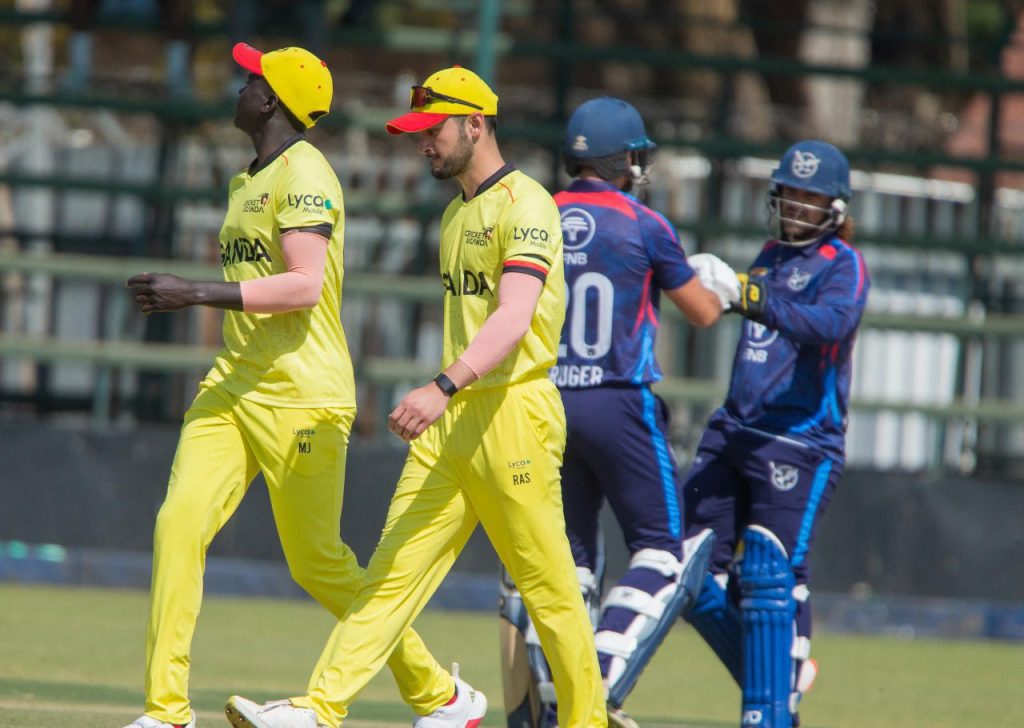
A Defining Year for Senior Teams
The Cricket Cranes face a high-stakes season; following failure to qualify for the T20 World Cup in Zimbabwe, Uganda has dropped to the African first-round qualifiers, where they will compete against Nigeria, Lesotho, Zambia, Mozambique and The Gambia. While the opposition may be less elite, CU is clear that Uganda must first reassert its quality at this level before targeting higher competitions.
Even more significant is the ICC Challenge League B final round scheduled for August in Tanzania. This tournament is central to Uganda’s ambition of attaining ODI status within the next five years. With the top two teams qualifying on this occasion, CU believes the opportunity is tangible though complacency could prove costly.
ODI status, the association notes, would be transformative, unlocking more matches, improved player earnings and increased funding. While T20 ambitions remain important, CU is prepared to prioritise ODI qualification should difficult trade-offs arise.
For the Victoria Pearls, the 2026 calendar is lighter, highlighted by the Emerging Cup later in the year. However, junior women’s teams face critical World Cup qualification campaigns, particularly the girls’ side, which will be making a third attempt to reach the global stage.
Strengthening the Game Beyond Players
CU’s vision extends beyond players to the broader cricket ecosystem. With the game now active in 13 regions, the association is investing in coaches, umpires, scorers and administrators to ensure skills and expertise are embedded locally. The long-term objective is for regions to run competitions independently, without reliance on officials from Kampala.
Regional leagues, national tournaments and trial matches will offer consistent opportunities for officials to remain active, while ongoing engagement and refresher training will help maintain and improve standards.
Knowledge Transfer and Integrity
In response to anti-corruption issues that emerged last year, CU is also reinforcing education around ethics, governance and integrity. Rather than assuming awareness, the organisation is rolling out targeted capacity-building programmes to ensure that players, officials and administrators fully understand best practices, risks and responsibilities.
By embedding trained personnel within communities and regions, CU aims to make knowledge transfer organic, continuous and sustainable benefiting both players and the wider cricket fraternity.
Built for the Long Game
Ultimately, the 2026 Cricket Uganda calendar is less about spectacle and more about structure. It prioritises pathways over patchwork solutions, sustainability over excessive spending, and long-term growth over short-term gains. If implemented as planned, it could mark a pivotal moment not only for Uganda’s national teams, but for the future of cricket across the country