LATEST NEWS
*******
-
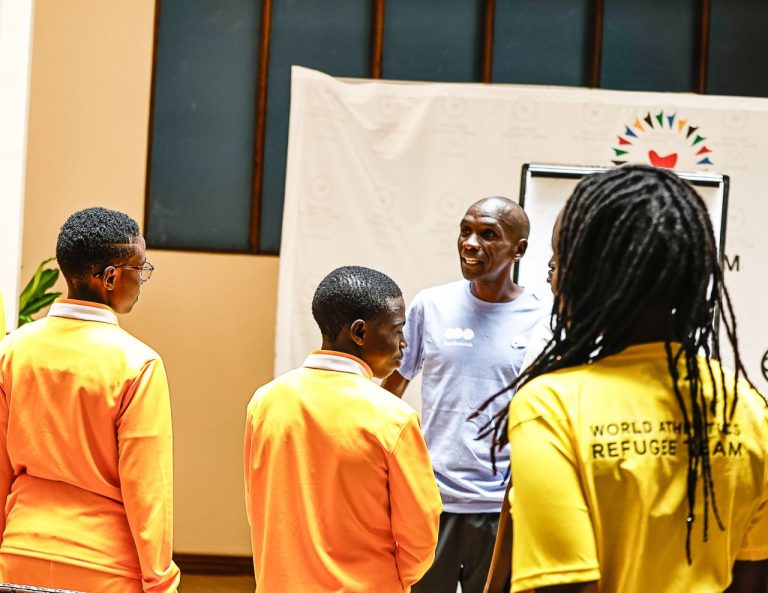 Olympic Values in Action: Eliud Kipchoge Mentors Dakar 2026 Refugee Olympic Team Athletes.17 Sep 2026
 -
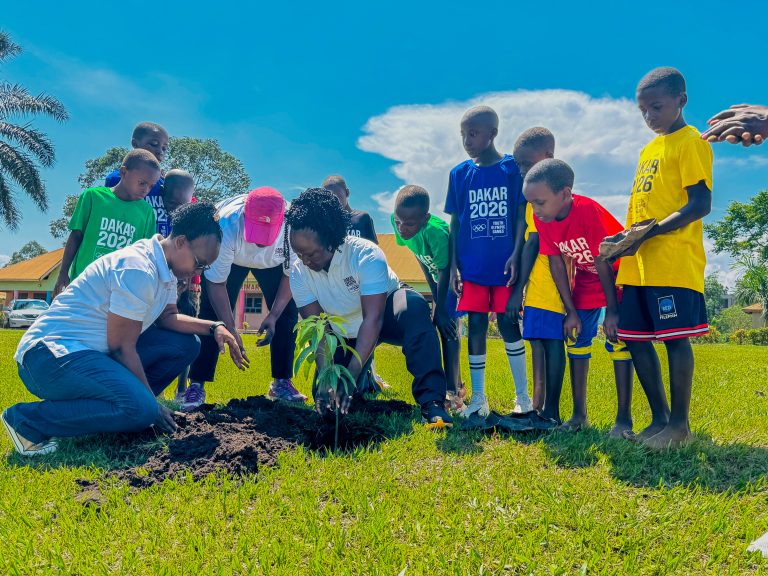 Dakar 2026 Flame Tour Brings Olympic Spirit to Gayaza.14 Sep 2026
 -
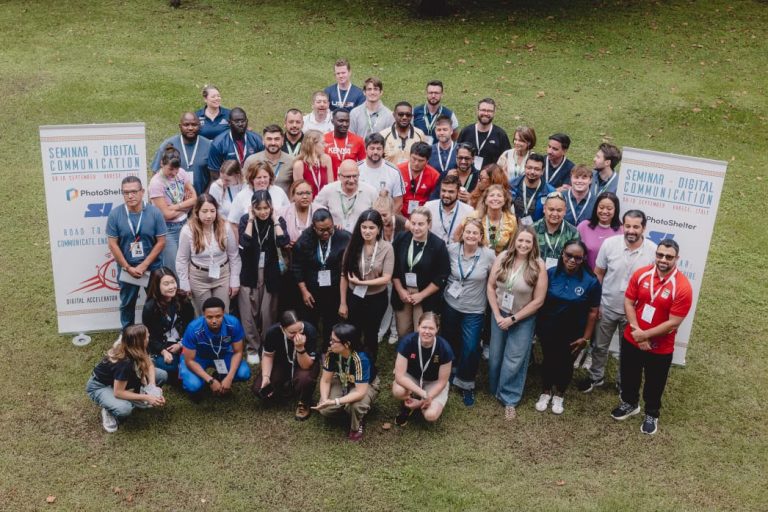 Strengthening Digital Communications Across African NOCs.14 Sep 2026
 -
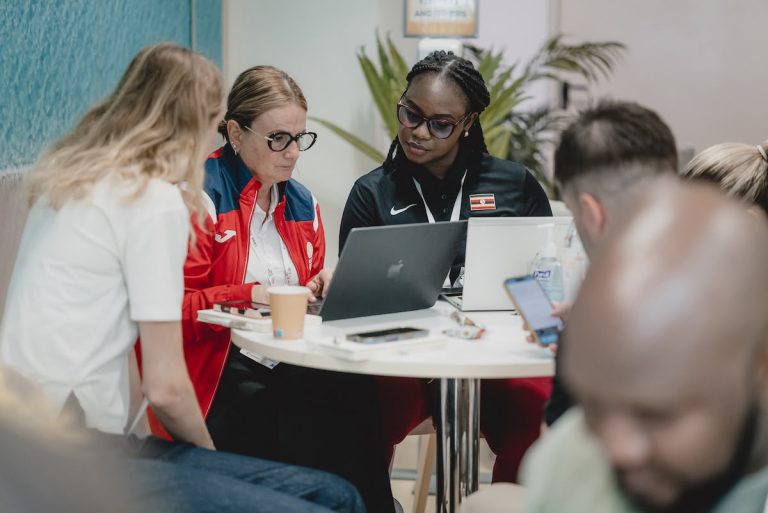 NOC Uganda at the 2nd ANOC Digital Communications Seminar | Varese in Italy.10 Sep 2026
 -
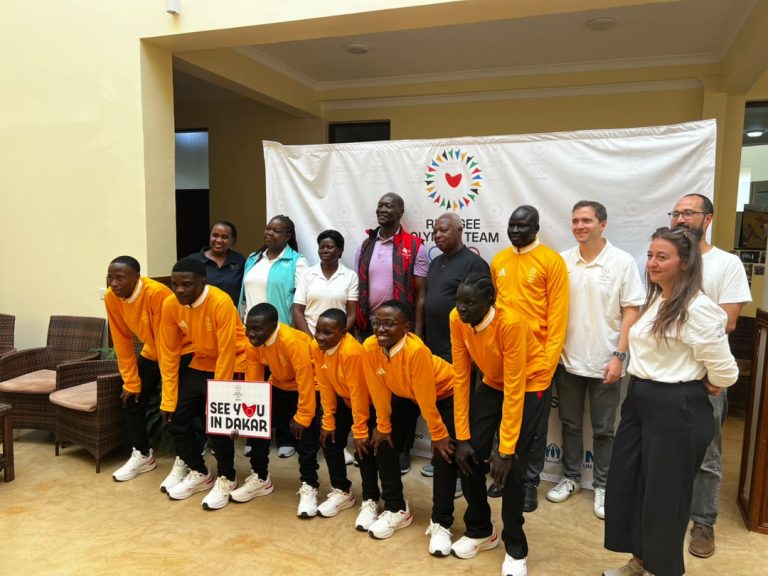 From Refugee Communities to the Olympic Stage: Africa’s Next Generation Is Making History.10 Sep 2026
 -
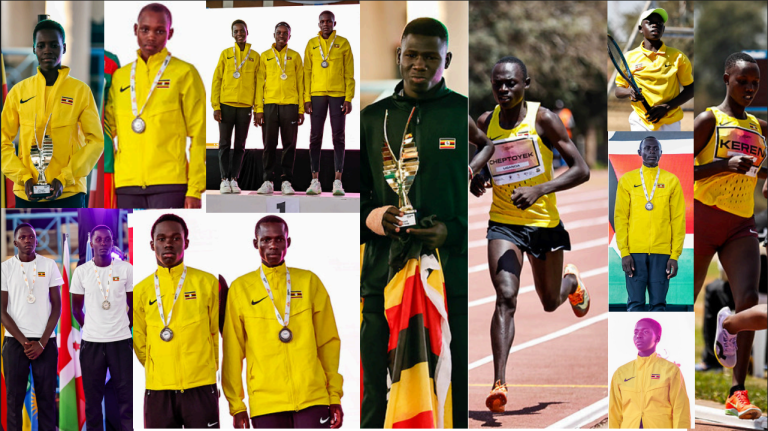 Team Uganda returns home with 23 medals from Anoca Zone V Youth Games.28 Aug 2026
 -
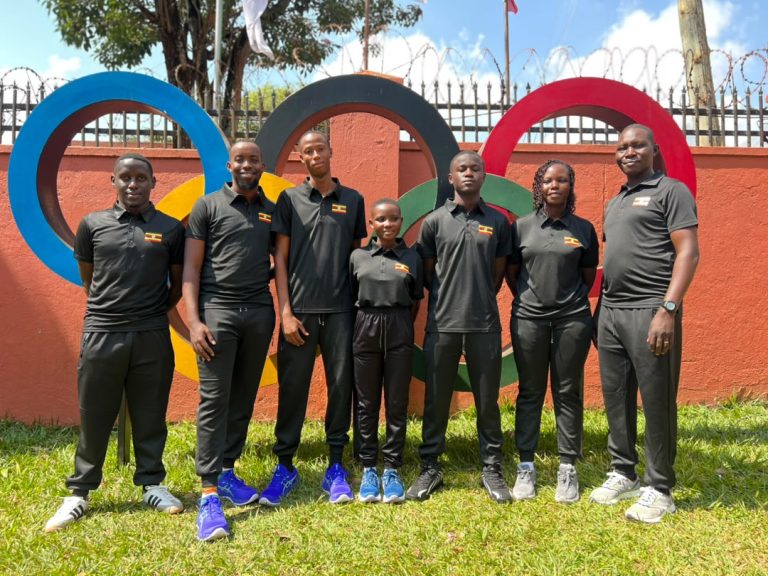 Team Uganda Flagged Off for ANOCA Zone V Youth Games in Kenya.24 Aug 2026
 -
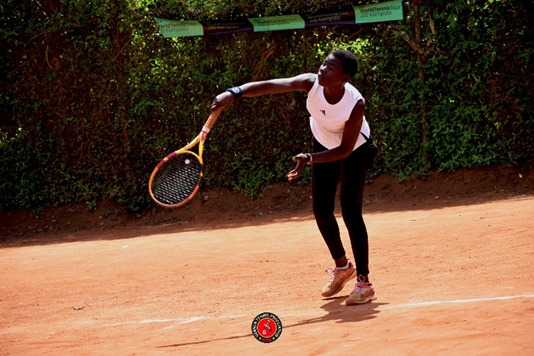 Seven Sports, One Mission: Team Uganda Ready for ANOCA Zone V Youth Games.18 Aug 2026
 -
 Uganda’s young stars ready to light up Nairobi at the ANOCA Zone V Youth Games.14 Aug 2026
 -
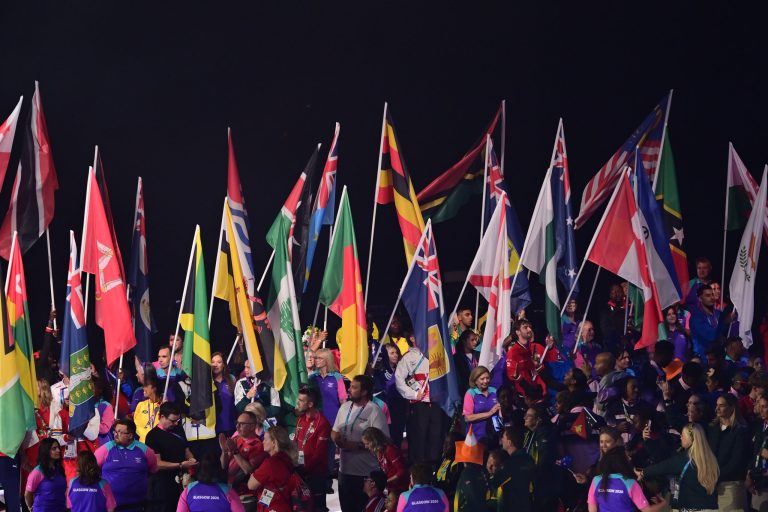 Dr. Donald Rukare, the Commonwealth Sport President’s Speech at the Closing Ceremony.03 Aug 2026
 -
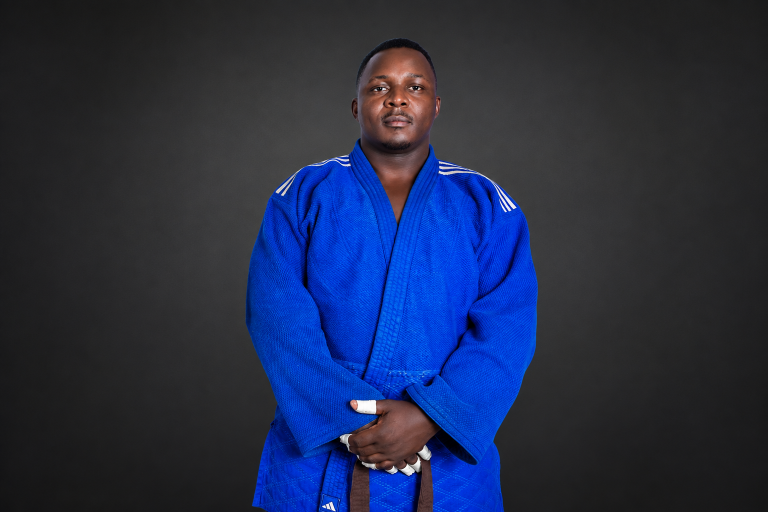 Charles Mwangushya takes lessons from Judo Defeat.03 Aug 2026
Uganda to Host Landmark Rugby Africa AGM
By Grace Joyce Kemigisa
Uganda is set to take centre stage in continental rugby governance as it hosts the 17th Annual General Meeting of Rugby Africa, a landmark gathering that brings together presidents, delegates and global administrators to shape the future of the sport across the continent.
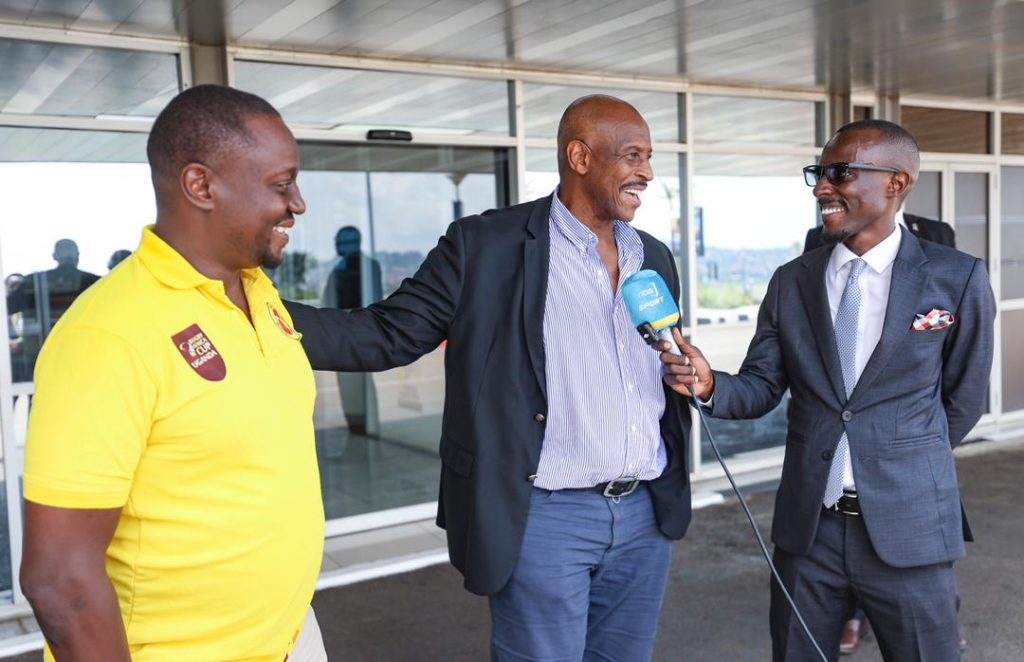
Arriving in Kampala to a warm reception from the local rugby fraternity, Herbert Mensah, President of Rugby Africa, described Uganda not merely as a host nation but as “home.” His remarks underscored the deep ties between the continental body and Ugandan rugby leadership, as well as the country’s growing stature within African sport.
Mensah’s visit signals more than ceremonial presence. Fresh from executive board engagements with World Rugby, he made clear that Africa’s priorities take precedence. The Kampala AGM, he noted, is pivotal in redefining governance structures and consolidating reforms that will influence rugby’s trajectory for years to come.
At the heart of the AGM agenda lies constitutional reform. Mensah emphasised that any meaningful transformation across member unions must begin at the top. Proposed amendments include the formal recognition of gender representation, the reinforcement of term limits, and clear nomination procedures requiring endorsement from a candidate’s home union.
These reforms, already reviewed favourably by World Rugby, require a 75 percent majority from member presidents to pass a threshold that reflects both the gravity and collective ownership of the process.
Beyond constitutional matters, the week-long programme includes strategic workshops on safeguarding, governance alignment, and the global “Shape of the Game” framework. With senior World Rugby representatives attending, including regional leadership, the AGM aims to synchronise Africa’s ambitions with global strategic direction.
For Uganda, hosting the AGM is both symbolic and strategic. Under the stewardship of Godwin Kayangwe, President of Uganda Rugby Union, the country continues to position itself as a credible administrative and competitive force.
Kayangwe has put forward his candidacy for a committee member position on the Rugby Africa Executive Board. While the role is not predefined spanning potential technical or commercial responsibilities his bid reflects Uganda’s desire to contribute more directly to continental decision-making.
His nomination, reportedly seconded by multiple unions, is viewed locally as a vote of confidence in Uganda’s governance model and leadership maturity.
A major strategic thrust emerging from the AGM discussions is the creation of stronger, self-sustaining African competitions. Rugby Africa is actively exploring the establishment
of an African Sevens Series — a continental product designed to give national teams consistent, high-level competition without sole reliance on global qualification pathways.
Such initiatives aim to increase competitiveness, commercial appeal and technical growth within Africa, reducing dependency while enhancing global relevance.
Delegates will also tour the newly launched Hoima City Stadium, a facility Uganda hopes will host future continental and global events. The inspection forms part of Uganda’s broader ambition to stage a division of the HSBC Challenger Series in 2027, building on regional momentum following successful tournaments elsewhere in East Africa.
The AGM week includes side meetings with partners, strategic consultations, and networking engagements designed to maximise collaboration across unions and commercial stakeholders. Approximately 24 African member nations, alongside World Rugby officials, are represented among more than 60 delegates attending the four-day programme.
While previous Rugby Africa Men’s Cup tournaments held in Uganda showcased the continent’s competitive edge on the field, this gathering shifts focus to the boardroom where policy, governance and long-term vision are forged.
The AGM will address elective vacancies, refine governance structures, and lay the groundwork for the next full elective cycle expected in the coming year. It is a moment of consolidation, reflection and forward planning.
As Kampala hosts Africa’s rugby leadership at the Kabira Country Club, the message is clear: the continent is not merely participating in global rugby it is actively shaping its future. Through constitutional reform, strategic alignment and competition innovation, Rugby Africa signals an era defined by accountability, ambition and continental unity.
For Uganda, the week represents more than hospitality. It is an affirmation of trust, leadership and growing influence a statement that the Pearl of Africa is equally at home on the field of governance as it is on the pitch.