LATEST NEWS
*******
-
 Masembe and Rochene Take Another Step Towards Dakar 2026.23 Oct 2026
 -
 Uganda Makes World Rowing Beach Sprint Finals Debut in China.20 Oct 2026
 -
 Uganda Unveils 197-Athlete Squad for Africa Aquatics Zone III Championships.20 Oct 2026
 -
 Joseph Sebatindira Defends World Hopes Title Ahead of Dakar 2026.20 Oct 2026
 -
 Legacy Holders Crowned Champions at Swans Beach Rugby Against Cancer Festival 2026.14 Oct 2026
 -
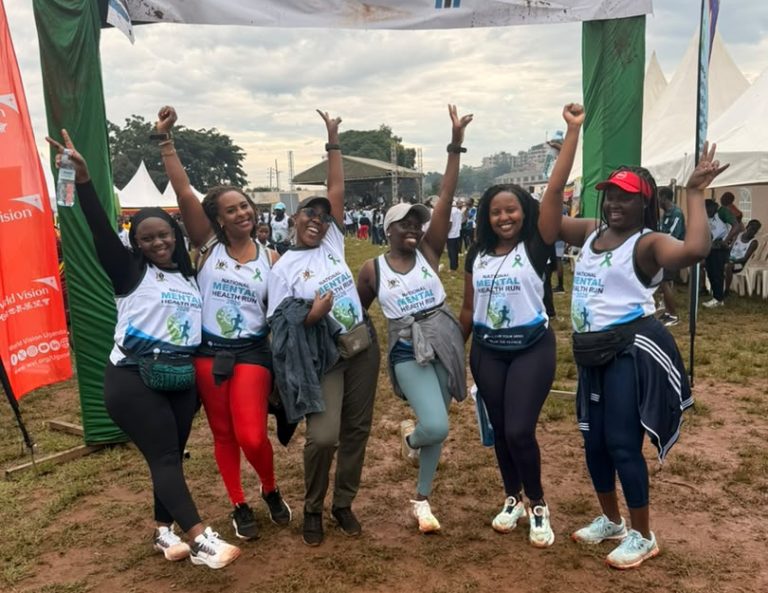 UOC Joins National Mental Health Run, Calls for Greater Investment in Youth Well-being.13 Oct 2026
 -
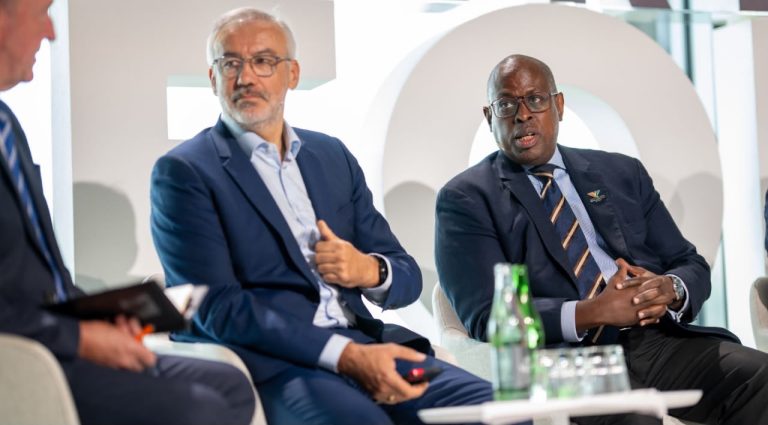 Dr Donald Rukare Joins Global Sports Leaders to Discuss the Future of Major Sporting Events.08 Oct 2026
 -
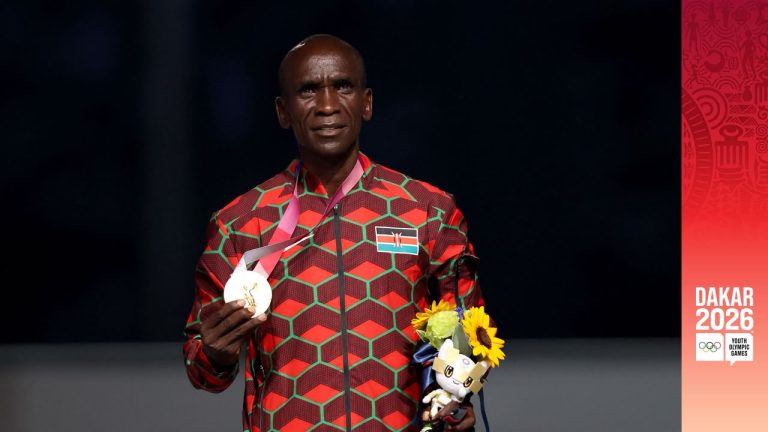 Eliud Kipchoge to Inspire the Next Generation as Dakar 2026 Global Ambassador.29 Sep 2026
Sport, Safeguarding and Shared Responsibility: Community Leaders Unite at the Close of the G.I.R.L.S Against Gender-Based Violence Engagement
By Grace Joyce Kemigisa
Over three intensive and reflective days, community leaders, educators, security officers, sports practitioners and safeguarding advocates gathered to confront one of the most persistent social challenges: gender-based violence.
The closing of the G.I.R.L.S Against Gender-Based Violence Project engagement marked not just the end of a workshop, but the beginning of a coordinated community-driven movement one rooted in sport, leadership and shared responsibility.
Held at Innophine Hotel, the engagement brought together stakeholders under a unified message: gender-based violence (GBV) affects everyone, and preventing it requires the voice and action of the entire community.
Supported by Olympic Solidarity and implemented in partnership with the Uganda Olympic Committee, Uganda Rugby Union and Swan Sports Club, the initiative uses sport particularly rugby as a powerful platform for awareness, empowerment and safeguarding.
Throughout the sessions, facilitators emphasized that sport is more than competition it is a values system capable of shaping attitudes and behaviour. Friendship, respect and excellence were repeatedly highlighted as foundational principles that can be mobilized to challenge violence and inequality.
Participants explored how structured sports environments in schools and communities can become safe spaces where both girls and boys are given equal opportunity to participate, grow and lead. Organisers stressed that when inclusion becomes normal practice, harmful stereotypes and power imbalances begin to weaken.
Speaker after speaker noted that sport in Uganda is largely learned in schools, making school clubs and community sports programmes critical entry points for prevention, early detection and education around GBV. By embedding safeguarding messages within sports programmes, communities can build awareness while strengthening youth engagement.
Project lead Regina Helen lunyolo underscored that safeguarding cannot succeed without community ownership. She described the engagement as a deliberate effort to bring leaders together so their voices can shape local strategies.
She stressed that empowering girls and boys without involving the wider community would be ineffective. Instead, the approach calls for alignment; leaders, teachers, coaches, parents, police and faith actors speaking with one voice against violence.
The project’s model positions boys as allies and ambassadors for equality encouraging them to challenge harmful norms and support the participation and protection of their sisters and peers. By addressing inequality and power imbalances early, the programme seeks to create generational change.
A key theme emerging from the workshop was the ethical responsibility carried by authority figures coaches, teachers and community leaders whose positions of trust can either protect or endanger
children. Participants were urged to use their influence to create safer systems and reporting pathways.
Sports psychologist and high-performance coach Patricia Nanteza Mbowa guided participants through often-overlooked dimensions of GBV, particularly emotional abuse in sports settings. While physical abuse is more easily recognized, she explained that emotional and psychological harm frequently goes unnoticed despite its long-term impact.
She highlighted behavioural warning signs such as sudden withdrawal and personality change as early indicators that a child or athlete may be experiencing abuse. Sessions and panel discussions helped participants distinguish between commonly normalized behaviour and actual forms of violence that require intervention.
By the close of the workshop, many attendees acknowledged they had previously overlooked certain abusive patterns and now felt better equipped to identify and respond to them.
Community and institutional representatives described the engagement as practical and immediately applicable.
School leader Henry Serwada said the training clarified not only how to recognize GBV cases, but also the correct response sequence: recognizing, responding, and referring cases through proper structures. He outlined how school systems from senior staff to headteachers and management committees must connect with police, probation officers and courts when necessary.
He committed to extending awareness into both school and church communities, emphasizing that safeguarding must cover everyone not only victims, but the broader environment around them.
Law enforcement perspectives also featured strongly in the closing discussions. Assistant Superintendent of Police Edith Natukunda, a Community Liaison Officer, said the workshop strengthened collaboration between police, schools and community leaders. He noted that many GBV cases go unreported simply because victims do not know where to go.
Participants were reminded that police stations maintain specialized Gender Desks and Child and Family Protection Units dedicated to handling GBV cases affecting women, men and children. Increased sensitisation meetings and community outreach were pledged as next steps.
As the three-day engagement closed, one message stood above all others: gender-based violence is not a private issue it is a community responsibility.
The G.I.R.L.S Against GBV Project positions sport as both shield and catalyst a shield that protects through safe structures and awareness, and a catalyst that mobilizes values-driven leadership and youth empowerment.
Leaders departed with practical tools, reporting frameworks, and renewed commitment to act in schools, churches, police posts and community programmes. The closing session was not framed as an ending, but as a launch point for sustained, collective action to ensure that respect, equality and safety become the standard across every space where young people live, learn and play.