LATEST NEWS
*******
-
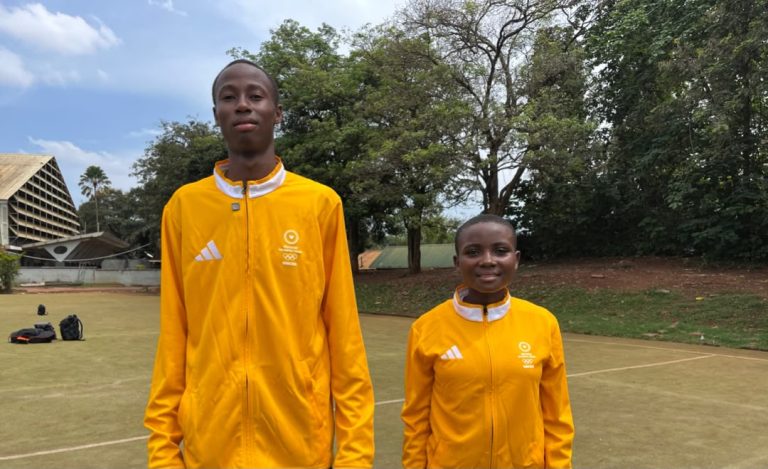 Masembe and Rochene Take Another Step Towards Dakar 2026.23 Oct 2026
 -
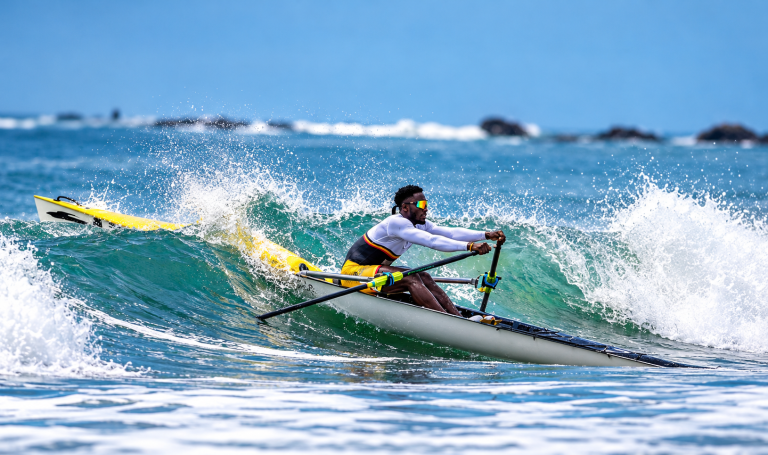 Uganda Makes World Rowing Beach Sprint Finals Debut in China.20 Oct 2026
 -
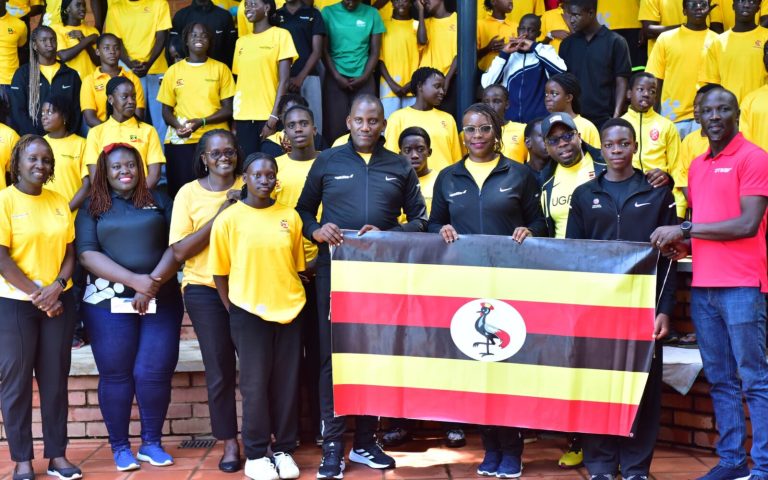 Uganda Unveils 197-Athlete Squad for Africa Aquatics Zone III Championships.20 Oct 2026
 -
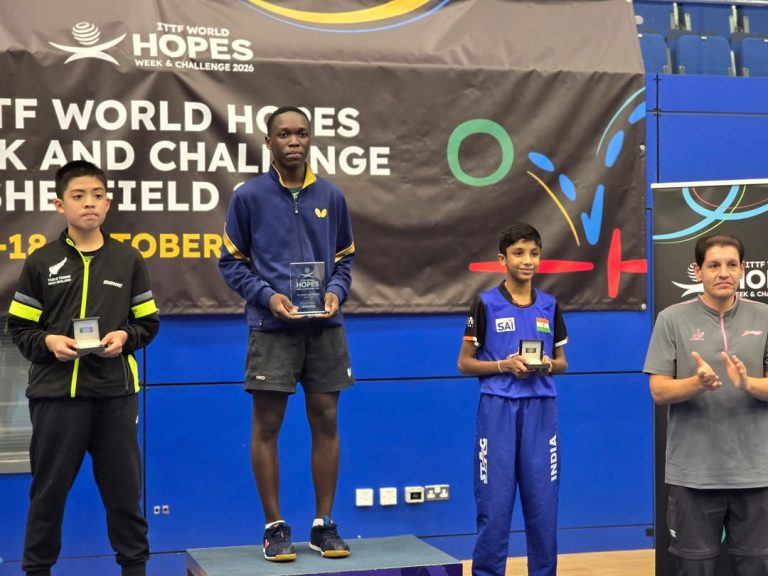 Joseph Sebatindira Defends World Hopes Title Ahead of Dakar 2026.20 Oct 2026
 -
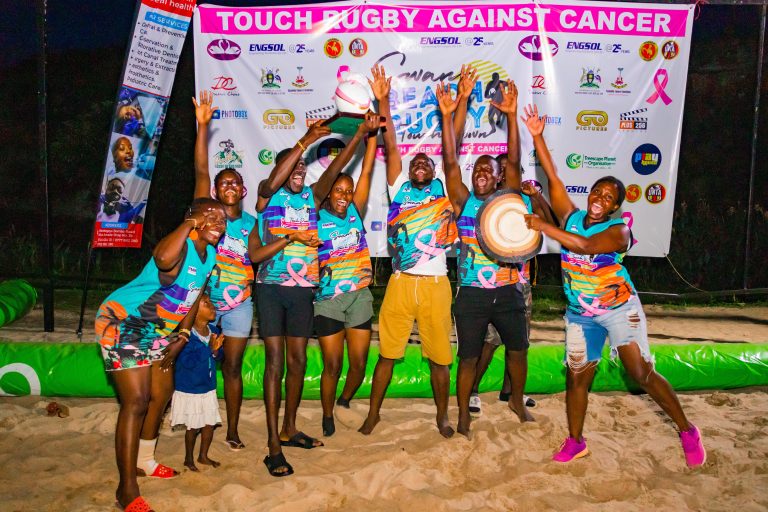 Legacy Holders Crowned Champions at Swans Beach Rugby Against Cancer Festival 2026.14 Oct 2026
 -
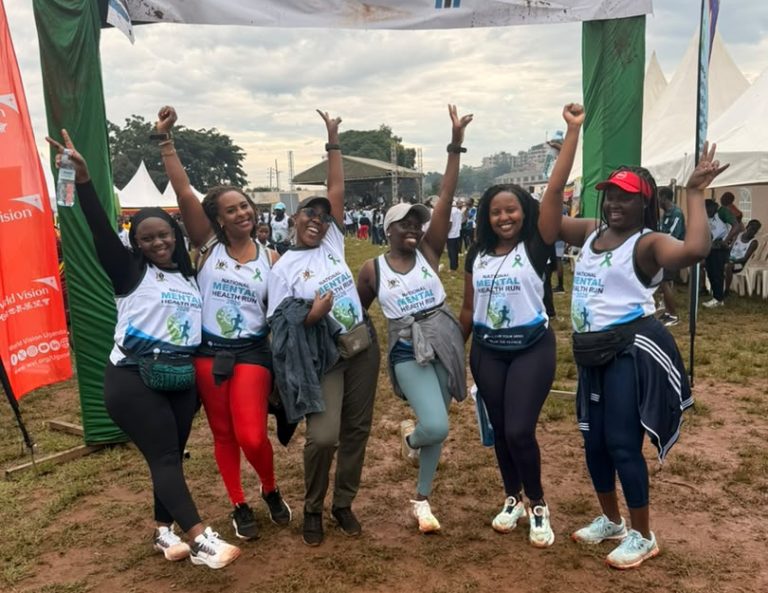 UOC Joins National Mental Health Run, Calls for Greater Investment in Youth Well-being.13 Oct 2026
 -
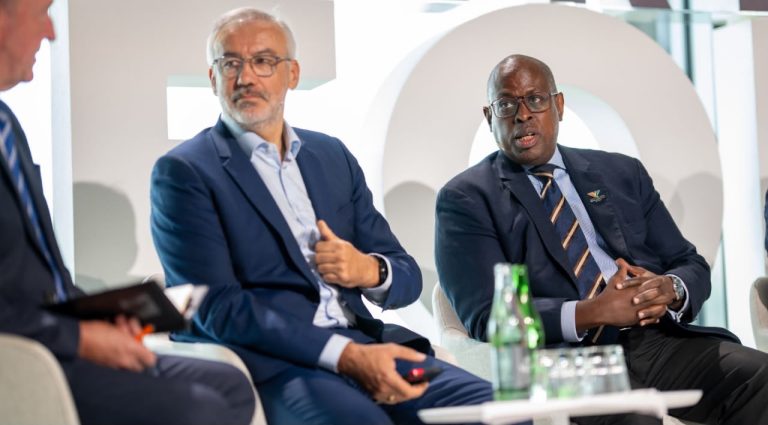 Dr Donald Rukare Joins Global Sports Leaders to Discuss the Future of Major Sporting Events.08 Oct 2026
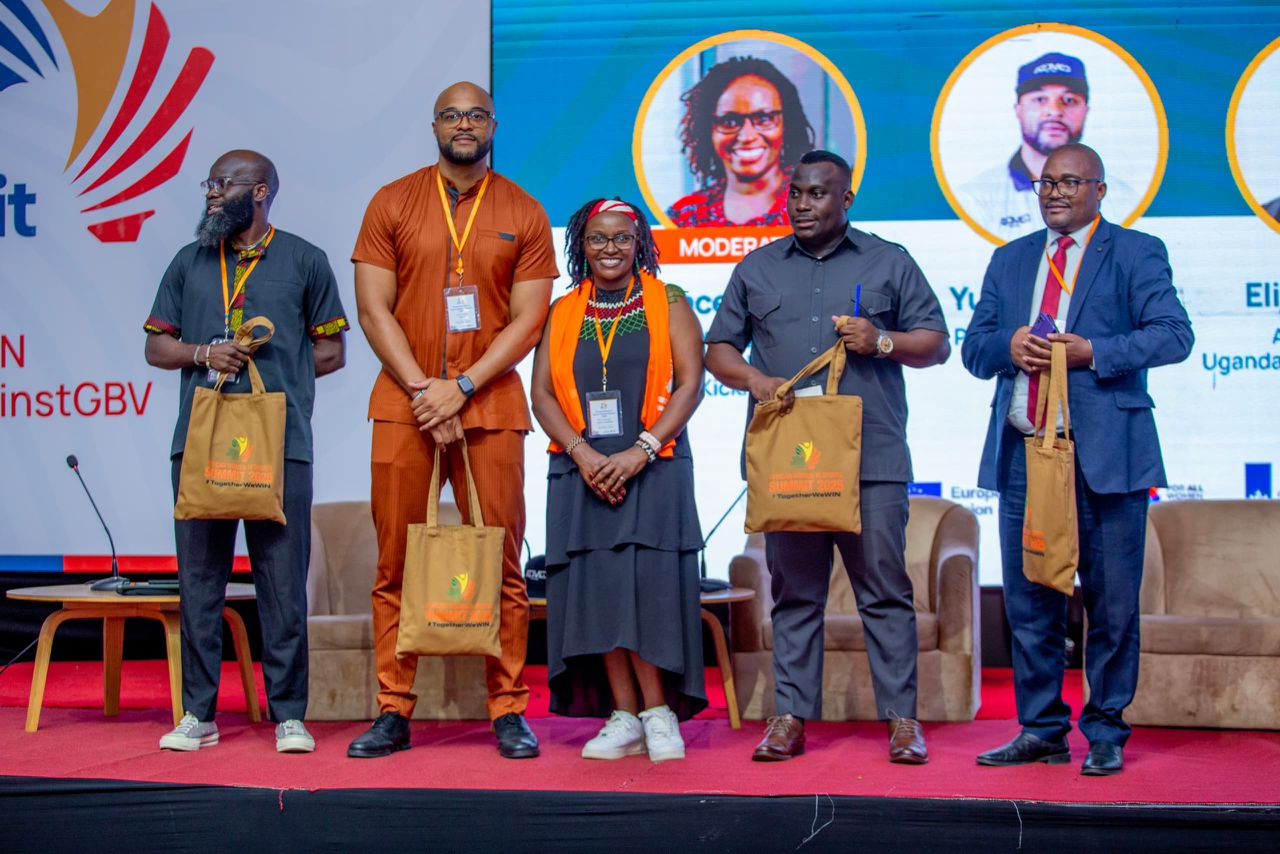
Panel Discussion: The Role of Men as Allies in Ending GBV in Sports
— NOC UGANDA | CGA UGANDA (@Official_UOC) November 27, 2025
Importance of Engaging Men in Cultural Shifts and GBV Prevention@njawuzi03 , UOC Administrator
As gatekeepers, it is our responsibility to ensure we do not overstep our boundaries. We recently collaborated… pic.twitter.com/d29M1RDzoa
AWISI Summit 2025: Engaging Men as Allies in Ending GBV (Gender Based Violence)
“Change must begin at home. As women continue to grow in empowerment, it is crucial that fathers and families intentionally nurture boys to become respectful, supportive and responsible men” courtesy quote
At the AWISI Summit 2025, leaders, athletes, and stakeholders gathered to discuss the critical role men must play in ending gender-based violence (GBV) in sports. The panel, “The Role of Men as Allies in Ending GBV in Sports,” emphasized that creating safe sporting environments requires cultural change, accountability, and active participation from men at all levels.
Engaging Men for Cultural Transformation
Elijah Njawuzi, UOC Administrator, underscored the responsibility of men as gatekeepers in sports. He highlighted the recent collaboration between the Uganda Olympic Committee (UOC) and the Gender Equality and Diversity Commission, which produced a new handbook dedicated to engaging men in GBV prevention.
The initiative aims to involve every male participant—ranging from school students to physical education teachers, coaches, and sports officials. Njawuzi stressed that such inclusive engagement helps foster trust and allows female athletes to feel comfortable seeking support from male counterparts within the sports ecosystem.
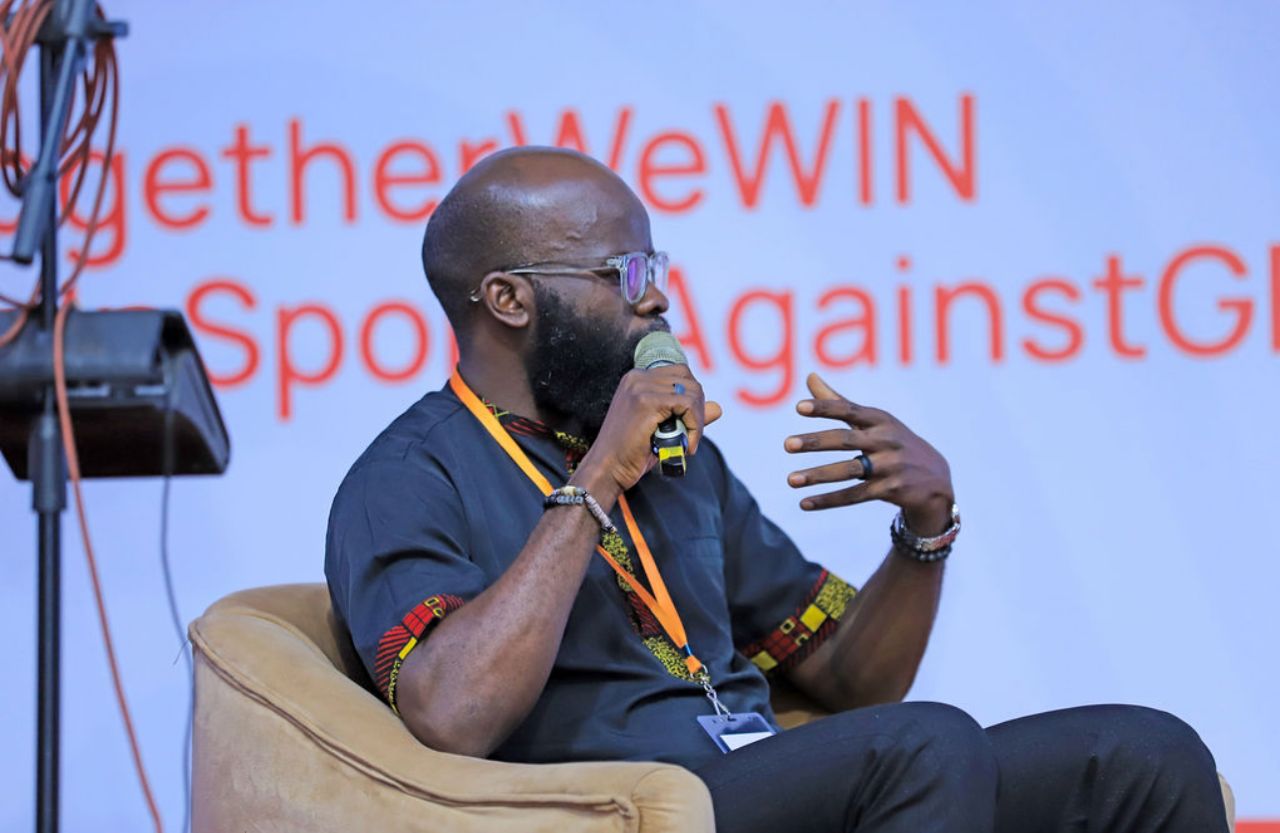
He further noted that while women increasingly participate in sports and often dominate capacity-building programs, real change requires men to take ownership of their role in eliminating harmful practices. Men must demonstrate personal accountability, challenge harmful norms, and consistently model positive behavior to help prevent GBV.
The summit also featured the panel “Remembering Our Champions,” paying tribute to sports heroines Rebecca Cheptegei, Damaris Muthee, Agnes Tirop, and Eudy Simelane, who tragically lost their lives to gender-based violence. Their stories serve as powerful reminders that safe sport is not a privilege but a right—and that protecting athletes begins with each of us.
Rossette Sayson, Chairperson of the UOC Gender Equality and Diversity Commission, urged all stakeholders to act decisively against GBV. She emphasized the vital role of the media in preventing misinformation and shifting narratives by spotlighting the achievements and contributions of female athletes rather than focusing on their appearance or attire.
Coaches and officials were reminded of their ethical duty to uphold safeguarding standards that prioritize athlete welfare. Athletes and parents were encouraged to actively support survivors, speak out against violence, and help create sporting environments built on respect and safety.
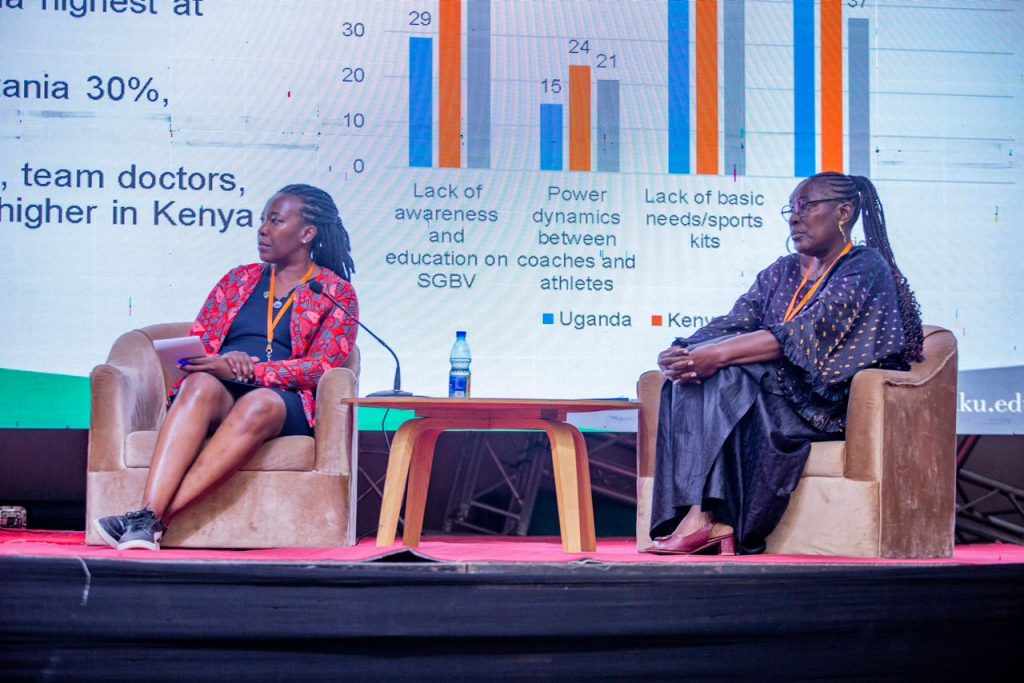
Looking ahead, participants called for sporting institutions to adopt and enforce robust policies aimed at preventing GBV. This includes establishing secure and accessible reporting mechanisms, eliminating harmful practices, and ensuring consistent accountability at all levels of sport.
#AWISISummit2025 | #EndGBVNow | #16DaysofActivism