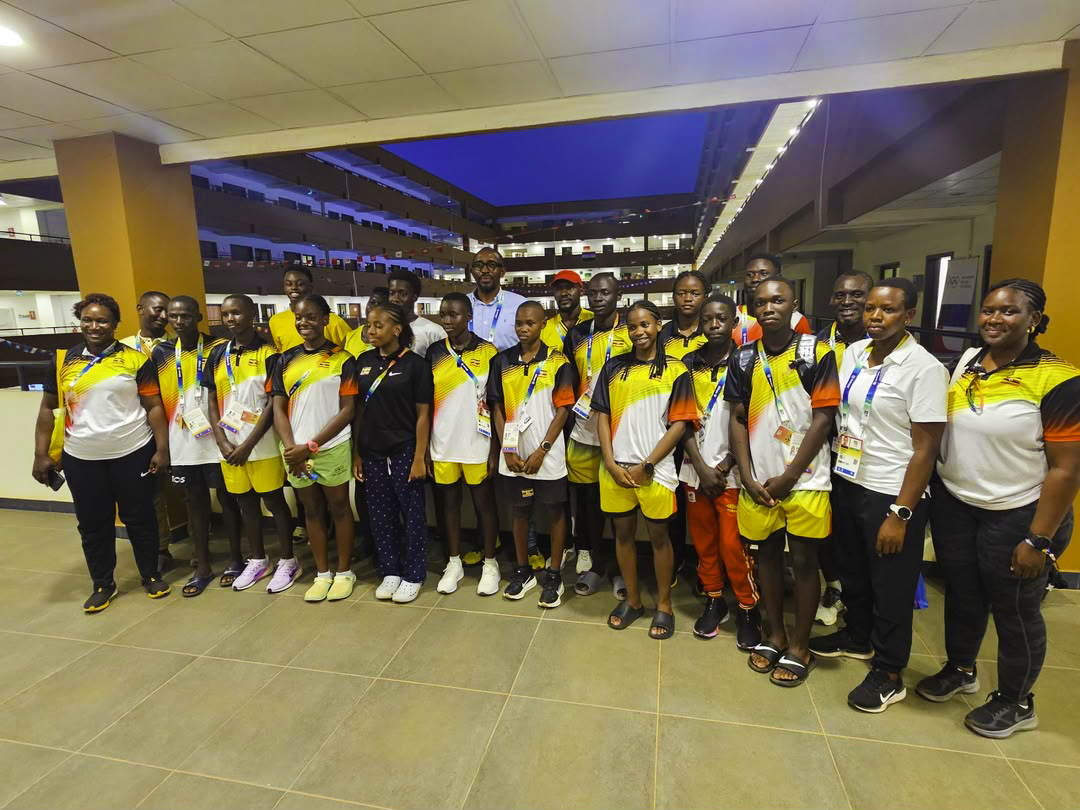
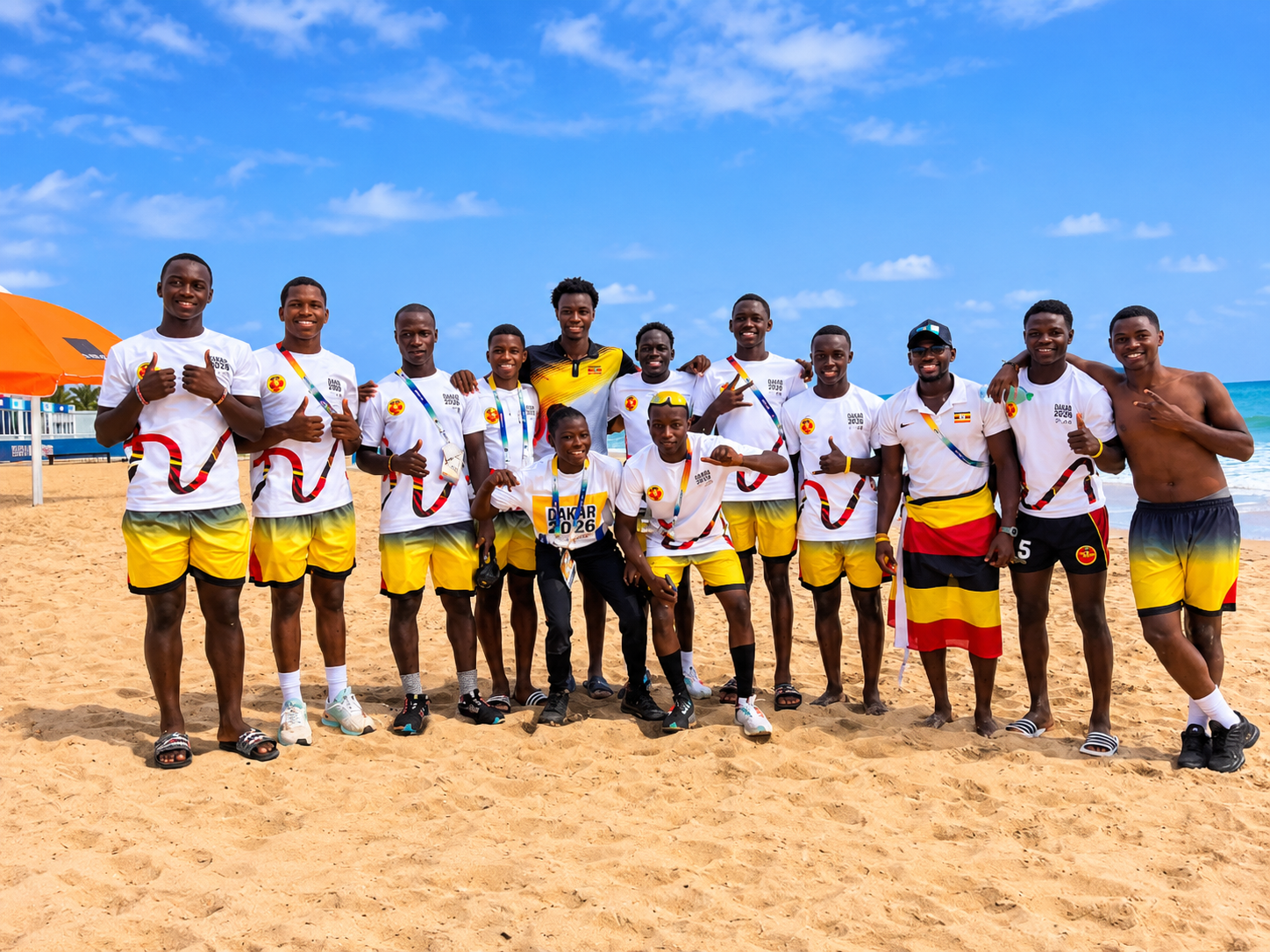
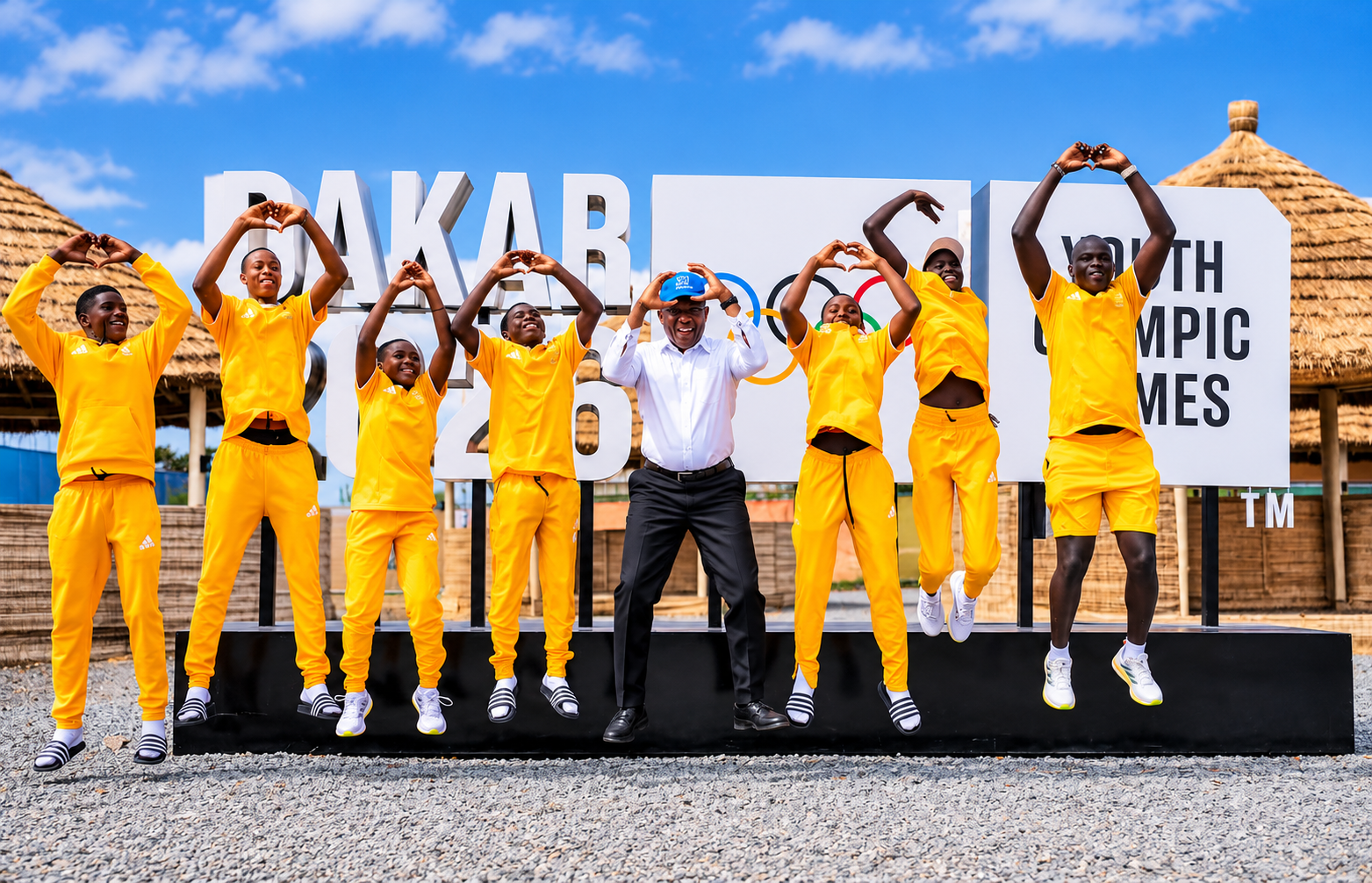
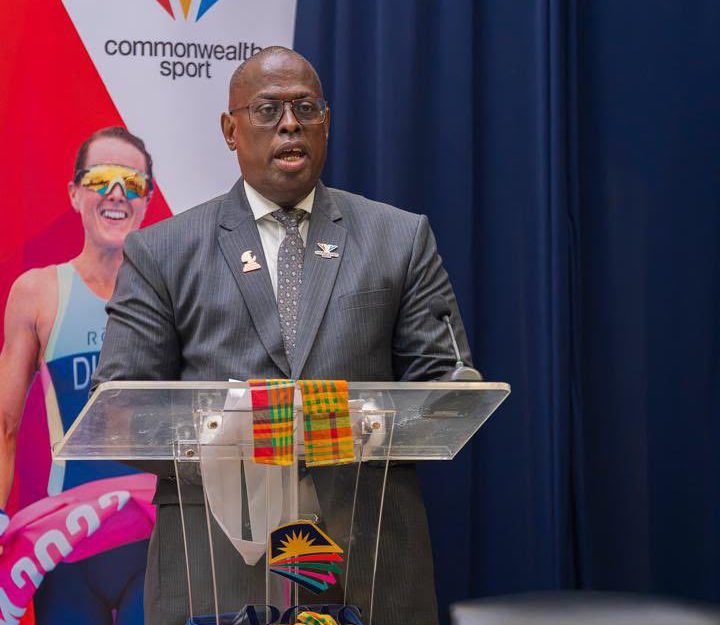
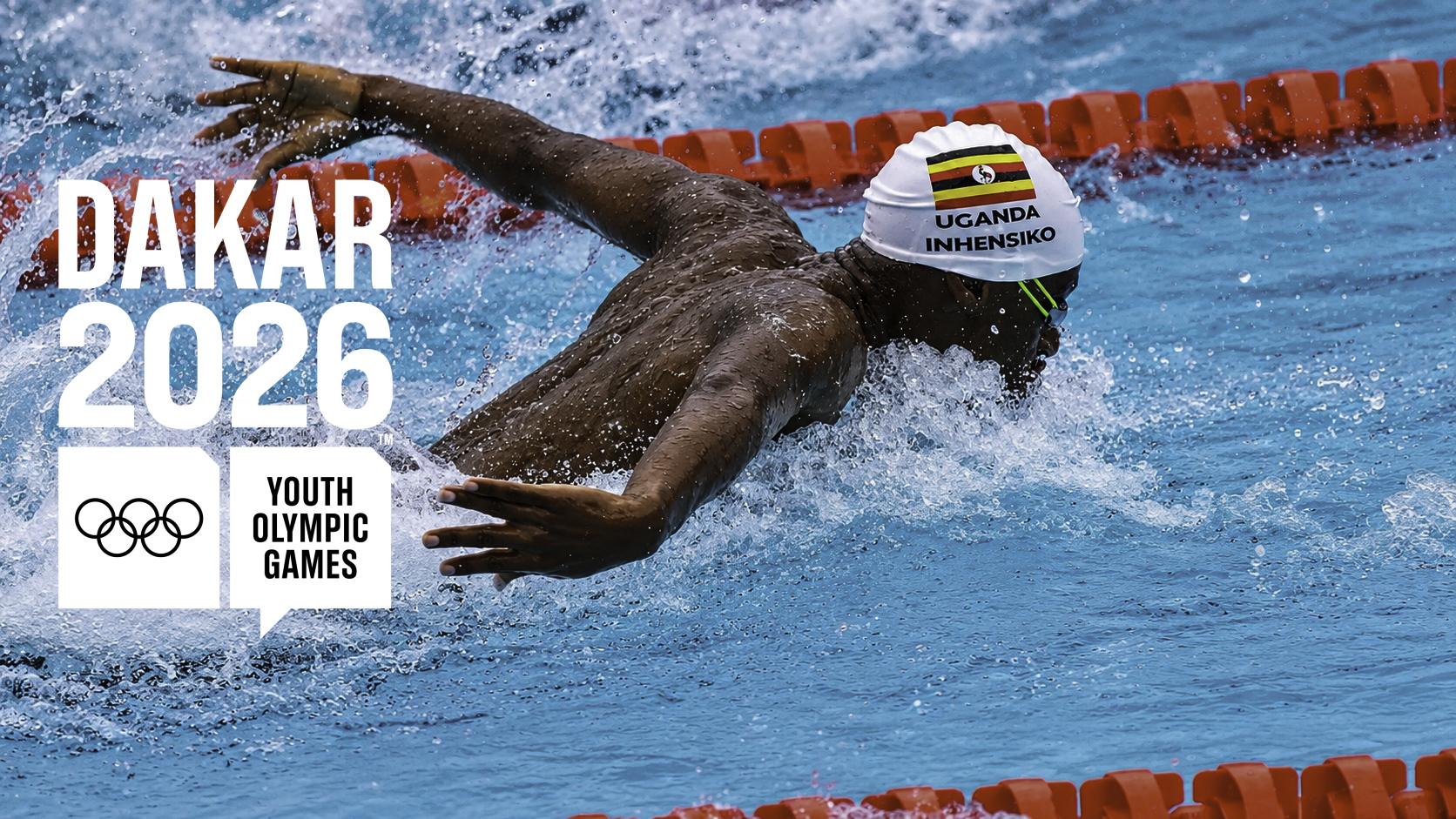
The meeting took place at the Games Village in Diamniadio, with the delegation led by team captains Joseph Sebatindira and Zara Marie Mbanga. Tashobya was welcomed by Chef de Mission Lydia Gloria Dhamuzungu, team administrators Elijah Njawuzi and James Kasumba, alongside Safeguarding Officer Patricia Ayebare.
Addressing the athletes, Tashobya emphasised that giving their best effort should remain the primary measure of success.
“If you know in that race you gave it your best, that is all that we needed from you,” he said, urging the athletes to assess their performances through effort, progress and determination rather than medals alone.
He noted that with hundreds of athletes competing for only three medals in each event, medal-based expectations could overlook the achievements of many talented participants.
“If success is only measured by the medals that you win, it means over probably 95 percent of the athletes will not have been successful,” he observed.
The message came at an important moment for athletes who had concluded their competitions in table tennis, swimming, rugby sevens, rowing and badminton.
Tashobya reminded the young competitors that earning a place on Team Uganda meant they had already distinguished themselves among the country’s finest talents. He encouraged them to document their performances in Dakar and use them as benchmarks for future improvement.
“The person in the mirror is always the one standing between you and the best version of yourself,” he said.
The NCS Chairman also reaffirmed the government’s responsibility to support athletes, noting that investment in sports development is a duty rather than a favour.
“We are not doing you a favour. It’s our job,” he stated.
He acknowledged ongoing government efforts to develop sports infrastructure, including facilities for football, rugby, indoor sports and athletics. However, he highlighted the continued absence of a standard 50-metre swimming pool as a major challenge for the country.
Tashobya pointed to the development of stadiums such as Hoima and Akii-Bua, as well as facilities at universities including Makerere, Gulu and Lira, which feature athletics tracks. He added that indoor arenas at Hoima and Akii-Bua are expected to support indoor sports disciplines.
He further revealed that government plans to establish regional sports academies, with Hoima expected to host the first facility.
Meanwhile, badminton coach William Kabindi called for increased support to sports federations and coaches to strengthen the long-term development of athletes.
“Compared to other countries, we have the shortest time of preparation,” Kabindi said, stressing the need for athletes to undergo consistent training so they are ready whenever opportunities arise.
Tashobya echoed the coach’s sentiments, emphasising that success at major competitions is built through years of preparation and sustained effort.
“The work that gives you a medal here, you do it three years behind that, not weeks or two to three months to the event,” he said. “It’s repetition, repetition, repetition over time.”
In his closing remarks, Tashobya encouraged the athletes to prioritise education alongside their sporting careers, describing academic development as essential to building well-rounded individuals.
“I’m a big believer of what we call a student athlete, not an athlete student,” he said, adding that every athlete has the potential to pursue and attain a university degree.