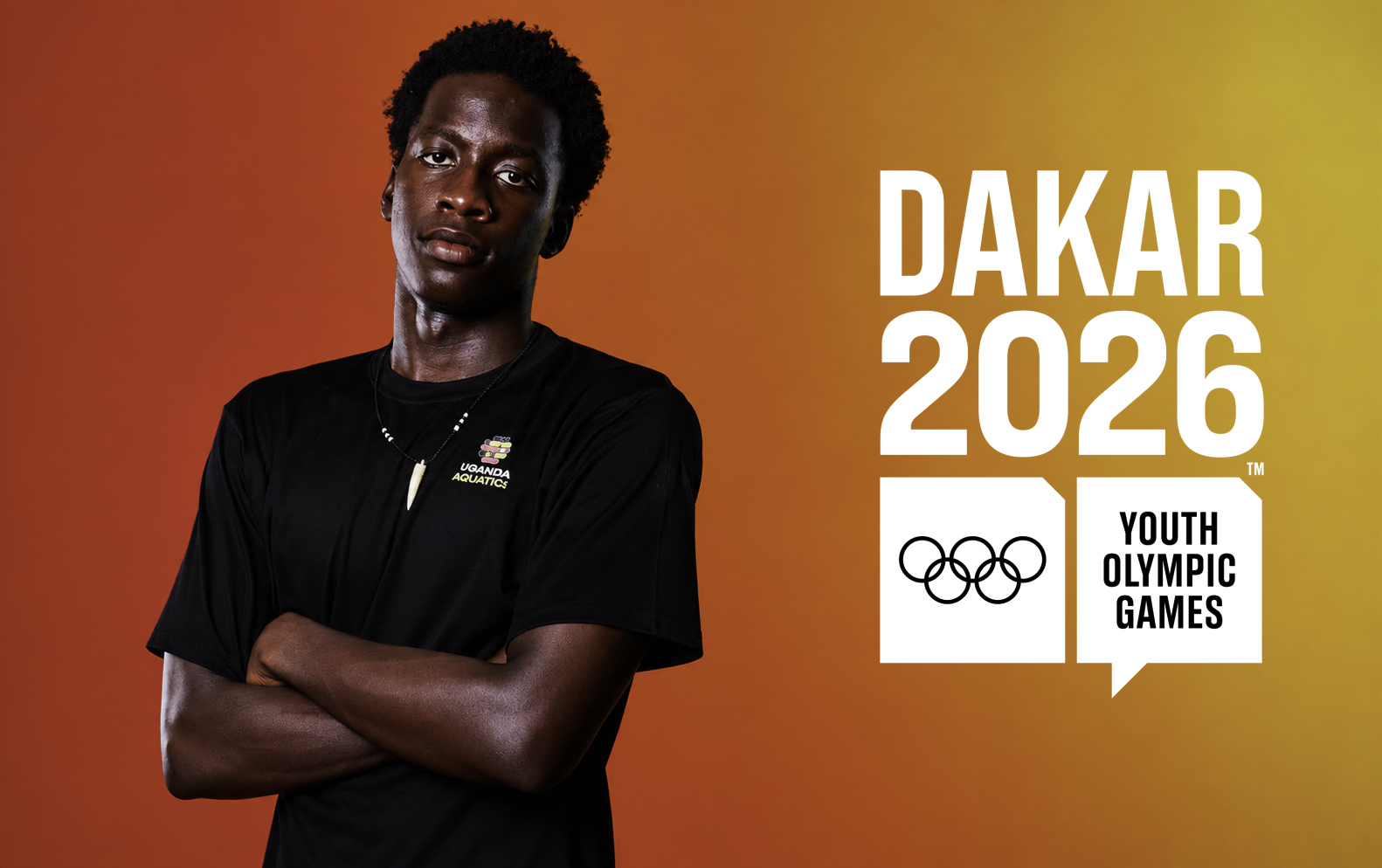
Making History in Dakar: Florence Masumbe and Rachid Rochene Fly the Flag for Refugee Youth.
- 3:20 pm
- BY HARRIET OCHENG
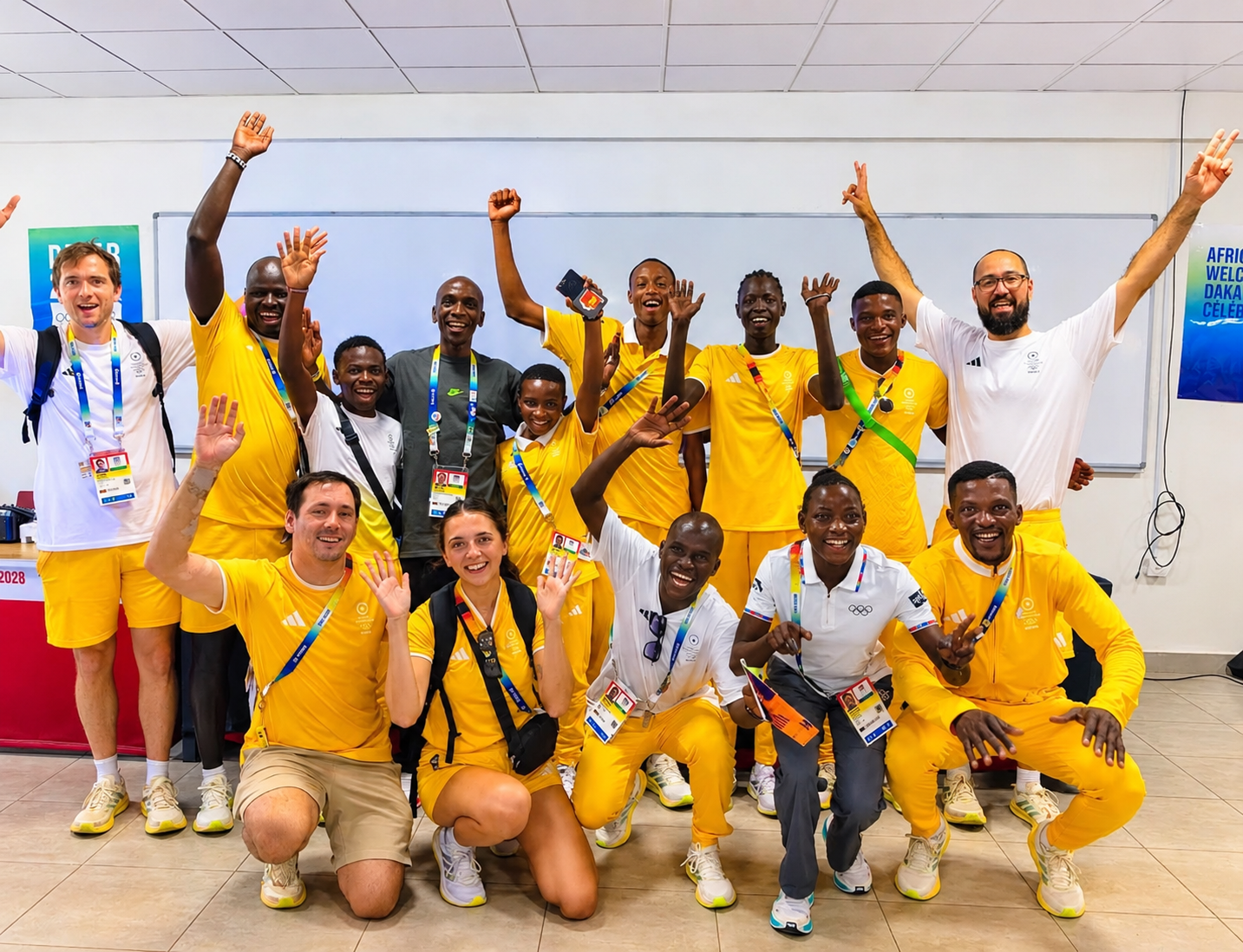
For Florence Masumbe and Rachid Rochene, competing at the Dakar 2026 Youth Olympic Games was more than a sporting opportunity. It was a historic moment for young refugee athletes, as they became part of the first-ever Refugee Olympic Team to participate in the Youth Olympic Games.
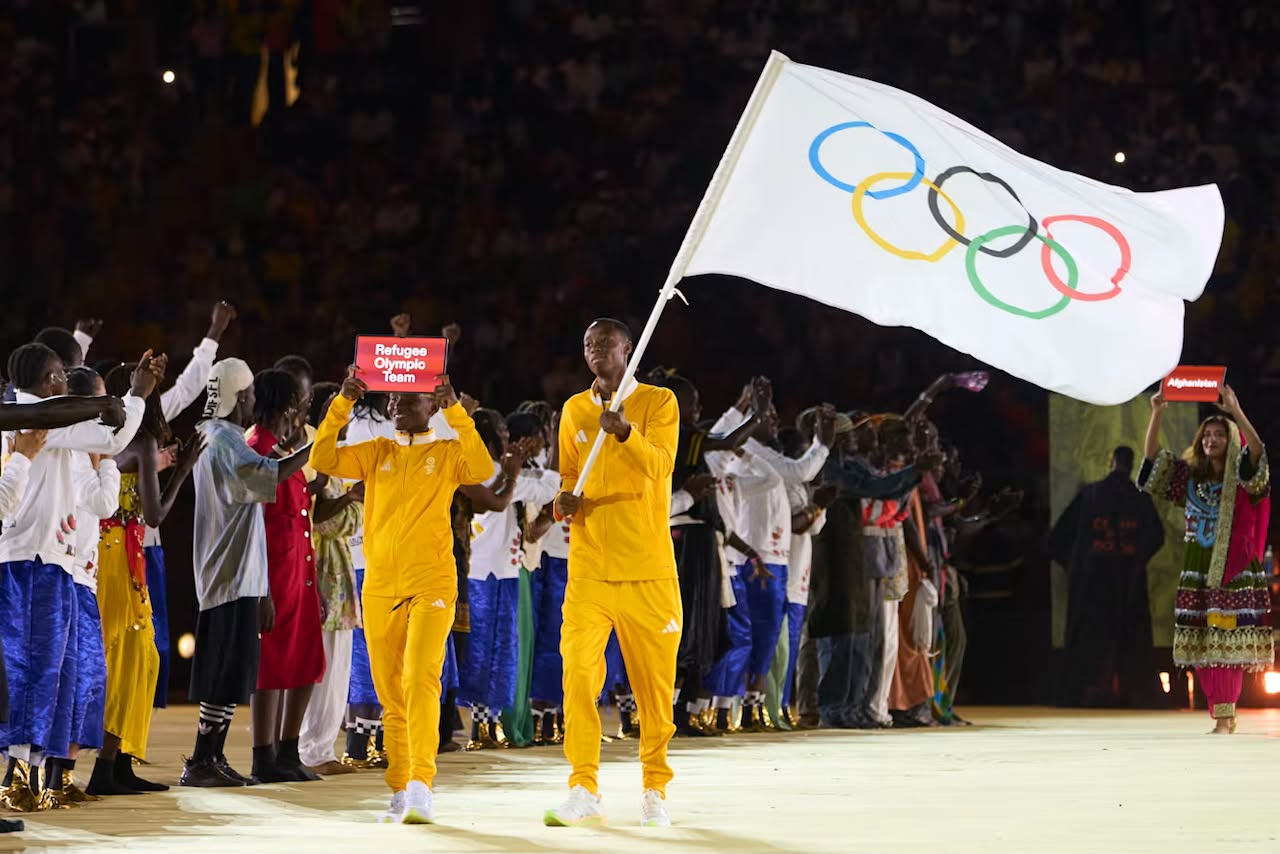
When the Refugee Olympic Team stepped onto the track in Dakar, Senegal, it carried a message that went beyond medals and finishing times: talent has no borders, and every young person deserves an opportunity to pursue their dreams.
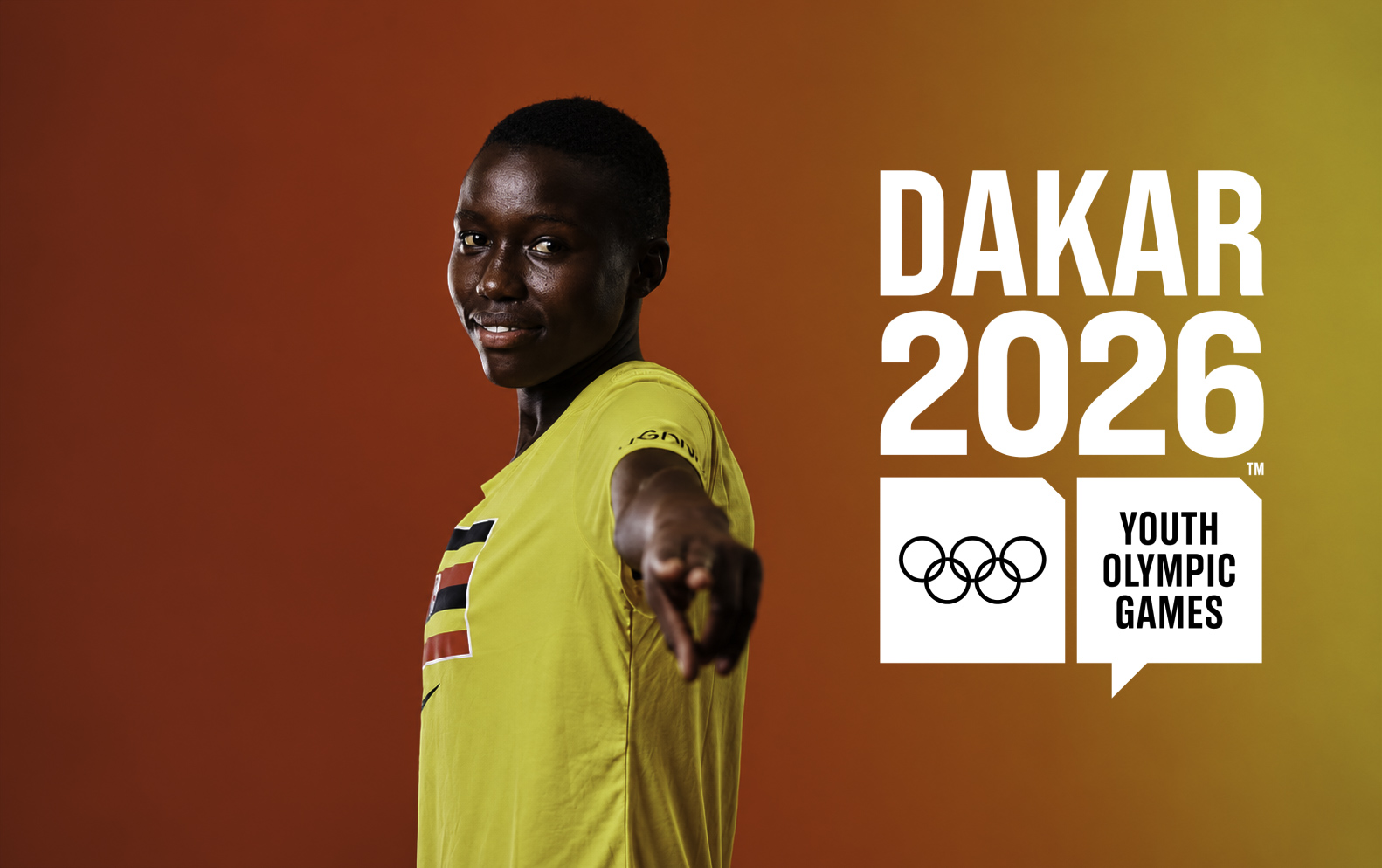
Among the six athletes selected for the historic team were 16-year-old sprinters Florence Masumbe and Rachid Rochene, both hosted by Uganda and competing in the women’s and men’s 200m respectively.
Their participation marked a significant milestone for the Olympic Movement. Although the Refugee Olympic Team had previously competed at the Olympic Games, including Rio 2016, Tokyo 2020 and Paris 2024, Dakar 2026 was the first time a refugee team featured at the Youth Olympic Games.
The six-member delegation comprised athletes based in Kenya and Uganda, competing in athletics, judo and taekwondo.
From Community Sport to the International Stage
For the two Ugandan-based athletes, the journey to Dakar began through opportunities created by sport at community level.
Masumbe and Rochene were identified through Game Connect, an Olympic Refuge Foundation-supported programme that uses sport to promote inclusion, build confidence and improve the wellbeing of young people in refugee and host communities.
Implemented in Uganda through partnerships involving the Uganda Olympic Committee, Youth Sport Uganda, AVSI, Right To Play and UNHCR, the initiative has created opportunities for young people in communities including Kampala, Adjumani, Kamwenge and Kikuube to participate in organised sport.
Through regional competitions and national trials, talented athletes were identified and given an opportunity to progress beyond community participation towards elite competition.
Their selection for Dakar represented an important connection between grassroots sport and the international Olympic pathway. It also demonstrated how investment in community programmes can help young people discover and develop their sporting potential.
Personal Bests on a Historic Stage
At the Games, both athletes had the opportunity to test themselves against some of the world’s promising young sprinters.
Rachid Rochene competed in the men’s 200m, recording a personal best of 24.32 seconds in the second semi-final, where he finished seventh. Guyana’s Deuquan’ Farrell won the race in 21.61 seconds.
Florence Masumbe also delivered a personal-best performance in the women’s 200m. She clocked 29.54 seconds to finish seventh in the first semi-final, won by Antigua and Barbuda’s Tyra Fenton in 23.63 seconds.
While the results did not take the pair into the finals, their personal bests provided a positive conclusion to their competition and marked important milestones in their development as athletes.
More significantly, they had the opportunity to compete on one of the biggest stages in youth sport, gaining valuable experience that can support their future ambitions.
A Team Representing Millions
The Refugee Olympic Team’s presence in Dakar carried significance far beyond the six athletes wearing its colours.
Across the world, millions of people have been forced to leave their homes. For young refugees in particular, displacement can disrupt education, sporting opportunities and the support systems needed to pursue their ambitions.
Through the Refugee Olympic Team, the International Olympic Committee continues to highlight the power of sport to create opportunities, foster belonging and give displaced athletes a platform to represent themselves and their communities.
The team’s Chef de Mission, Yiech Pur Biel, understands that journey personally. Having competed as a member of the first Refugee Olympic Team at Rio 2016, he has since become an IOC Member and UNHCR Goodwill Ambassador. He has spoken about how sport transformed his own life and the importance of young refugee athletes becoming ambassadors for millions of displaced people.
Beyond Dakar: A Foundation for the Future
For Uganda, the participation of Masumbe and Rochene highlighted the impact of sustained investment in refugee and host-community sport programmes.
Their journey from community-level competition to the Youth Olympic Games offers an encouraging example of what can happen when young people are given access to coaching, structured competition and pathways to higher levels of sport.
As they return from Dakar, the experience, exposure and personal milestones gained will form part of their continued development.
Their times in the 200m semi-finals may be recorded in the results books, but their place in history is already secured: Florence Masumbe and Rachid Rochene were among the pioneers of the first Refugee Olympic Team at the Youth Olympic Games.
In Dakar, they did more than compete. They helped show the world that refugee youth belong in sport, deserve to be seen and have dreams worth pursuing.