Dr Donald Rukare Joins Global Sports Leaders to Discuss the Future of Major Sporting Events.
- 10:52 am
- HARRIET OCHENG
LAUSANNE, Switzerland Commonwealth Sport President Dr Donald Rukare joined leading figures from the global sports movement at the SportAccord Forum 2026 in Lausanne, Switzerland, as discussions focused on how the international sporting events landscape is changing and what this means for the future of major events.
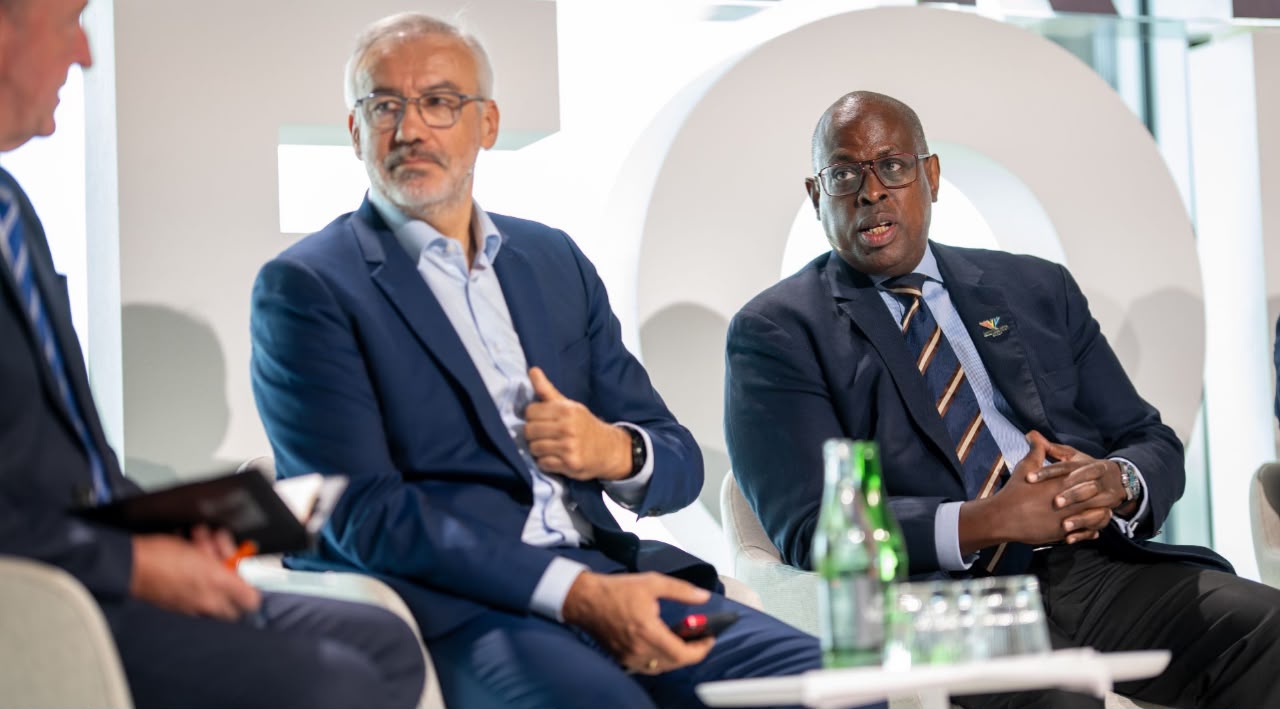
Held at the Olympic Museum from 5–7 October 2026, the SportAccord Forum brought together more than 500 sports decision-makers, including representatives from more than 120 International Federations and the International Olympic Committee. This year’s Forum was held under the theme “When the Playbook Changes: Leading Sport in a New Reality.”
The three-day programme examined some of the key issues facing international sport, including governance, financial sustainability, technology, participation, changing fan behaviour, hosting models and the long-term value of major sporting events.
Rethinking how major events are hosted
Dr Rukare was part of a high-level panel titled “Shifting Sands of the Global Events Landscape,” which explored the pressures and opportunities shaping the future of major sporting events.
He was joined on the panel by Sanjog Gupta, Chief Executive Officer of the International Cricket Council; Michael Mronz, International Olympic Committee Member; Regula Meier, President of the International Ski Mountaineering Federation; and Etienne Thobois OLY, Paris 2024 CEO and Badminton World Federation Board Member.
The discussion considered a number of questions facing the sporting world, including rising costs, changing expectations from host cities and the need for hosting models that are financially and operationally sustainable.
The panel also highlighted the importance of understanding the changing expectations of athletes, fans, communities and broadcasters, ensuring that major events remain relevant and valuable to the people and places they serve
Glasgow 2026 as a new model for major events
During the discussion, Dr Rukare highlighted the refreshed hosting model adopted by Commonwealth Sport, which places greater emphasis on collaboration and flexibility rather than a one-size-fits-all approach.
The model was put into practice at the Glasgow 2026 Commonwealth Games, held in Scotland from 23 July to 2 August 2026. Commonwealth Sport has described Glasgow 2026 as the first full delivery of its reimagined Games model, built around a more agile, partnership-led and environmentally sustainable approach.
Rather than relying solely on the traditional approach to hosting a major multi-sport event, Glasgow 2026 made greater use of existing facilities and partnerships, demonstrating how a major sporting event can be delivered while responding to the financial and operational realities facing host cities.
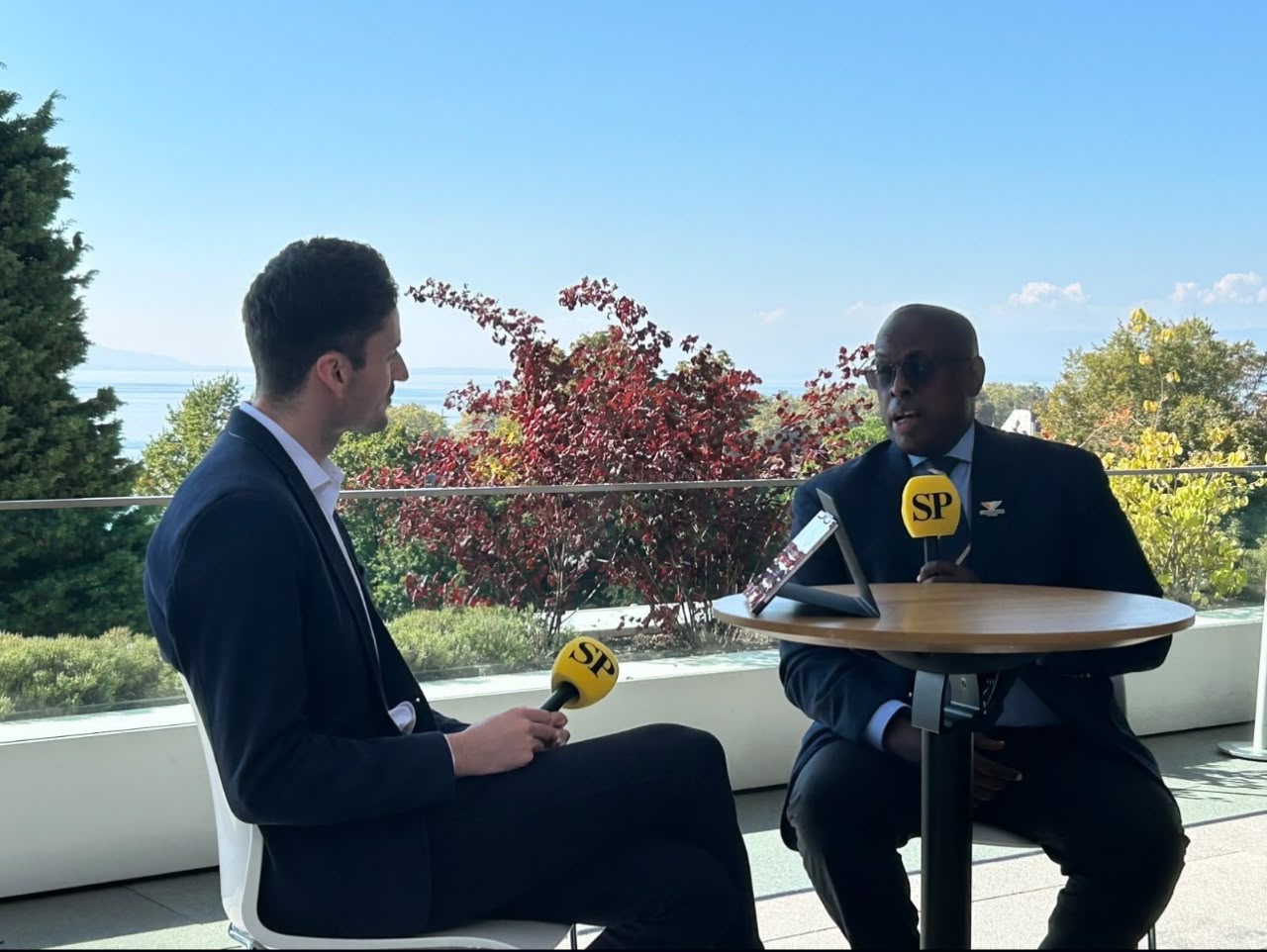
For Dr Rukare, the Glasgow experience demonstrates the importance of being willing to rethink established approaches.
The discussion reinforced the view that future events will need to be bold, innovative and responsive, while maintaining a strong focus on athletes and delivering meaningful benefits to host communities.
A changing global sporting landscape
The conversation at SportAccord comes at a time when major sporting events are facing increasingly complex demands. Rising costs, evolving technology, changing participation patterns, geopolitical developments and shifting fan expectations are all influencing how sporting organisations plan and deliver events.
The 2026 SportAccord Forum was designed around these changes, bringing International Federations, the Olympic Movement, host destinations, business and technology leaders together to explore how sport can adapt to a rapidly changing environment.
A key feature of this year’s Forum was the newly introduced City Forum, which created a dedicated space for International Federations, cities and destinations to discuss hosting strategies, sports tourism and ways of generating lasting economic and social value from major events.
For sports organisations, the conversations in Lausanne offered an opportunity to look beyond the traditional delivery of competitions and consider how events can contribute to wider development goals.
Looking ahead
Dr Rukare’s participation at the SportAccord Forum reflects the growing conversation around the need to make major sporting events more adaptable, sustainable and responsive to the needs of their stakeholders.
The experience of Glasgow 2026 provides an important case study as the Commonwealth Sport Movement looks towards future editions of the Games, including Amdavad 2030, while the wider sporting world continues to explore new approaches to hosting international competitions.
As the global sporting landscape continues to evolve, the message emerging from Lausanne is clear: the future of major events will require new thinking, stronger collaboration and the willingness to adapt traditional models to meet the realities of tomorrow.