UOC, TAFISA Conclude Four-Day Certified Leadership Course to Advance Sport for All in Uganda.
- 12:57 pm
- HARRIET OCHENG
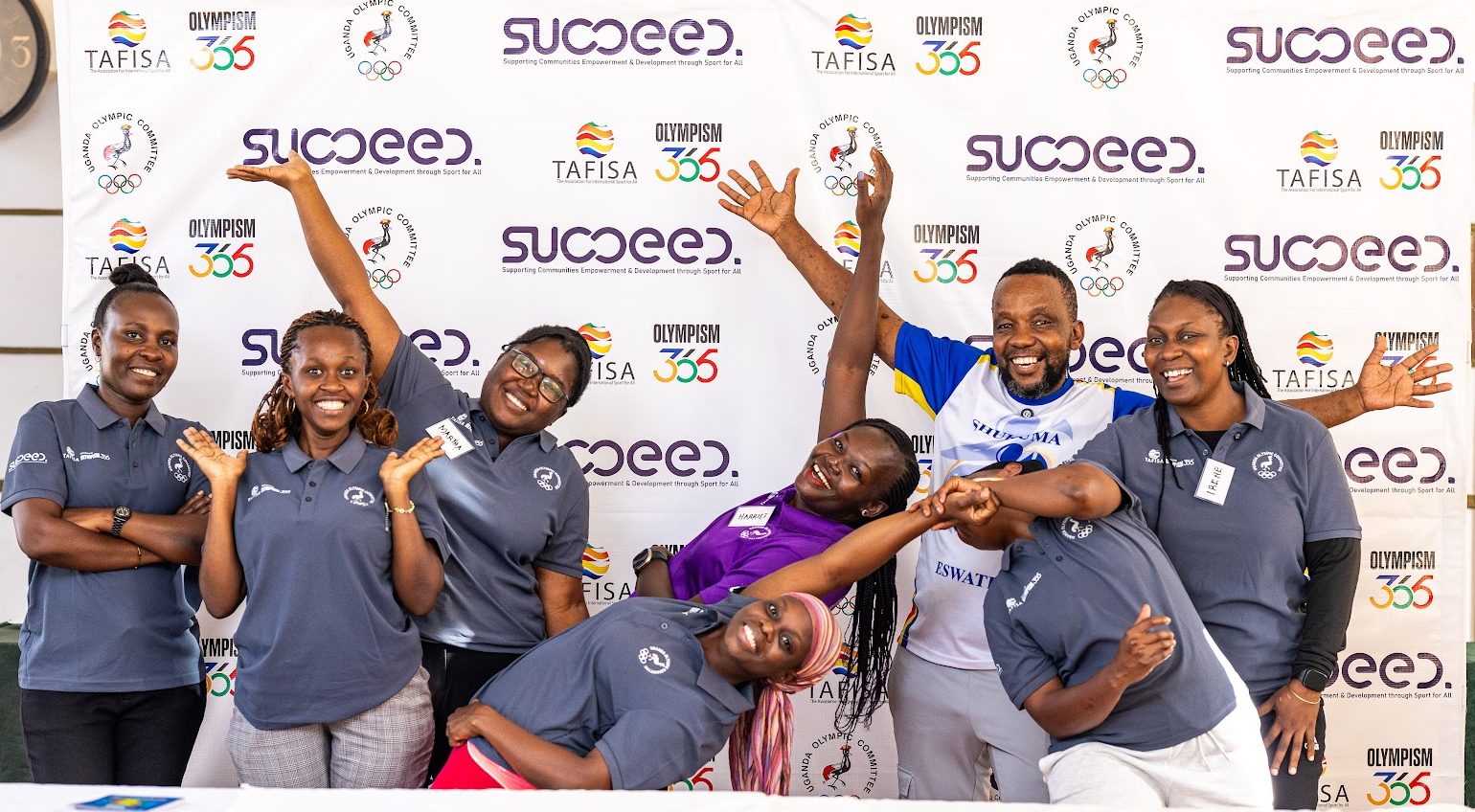
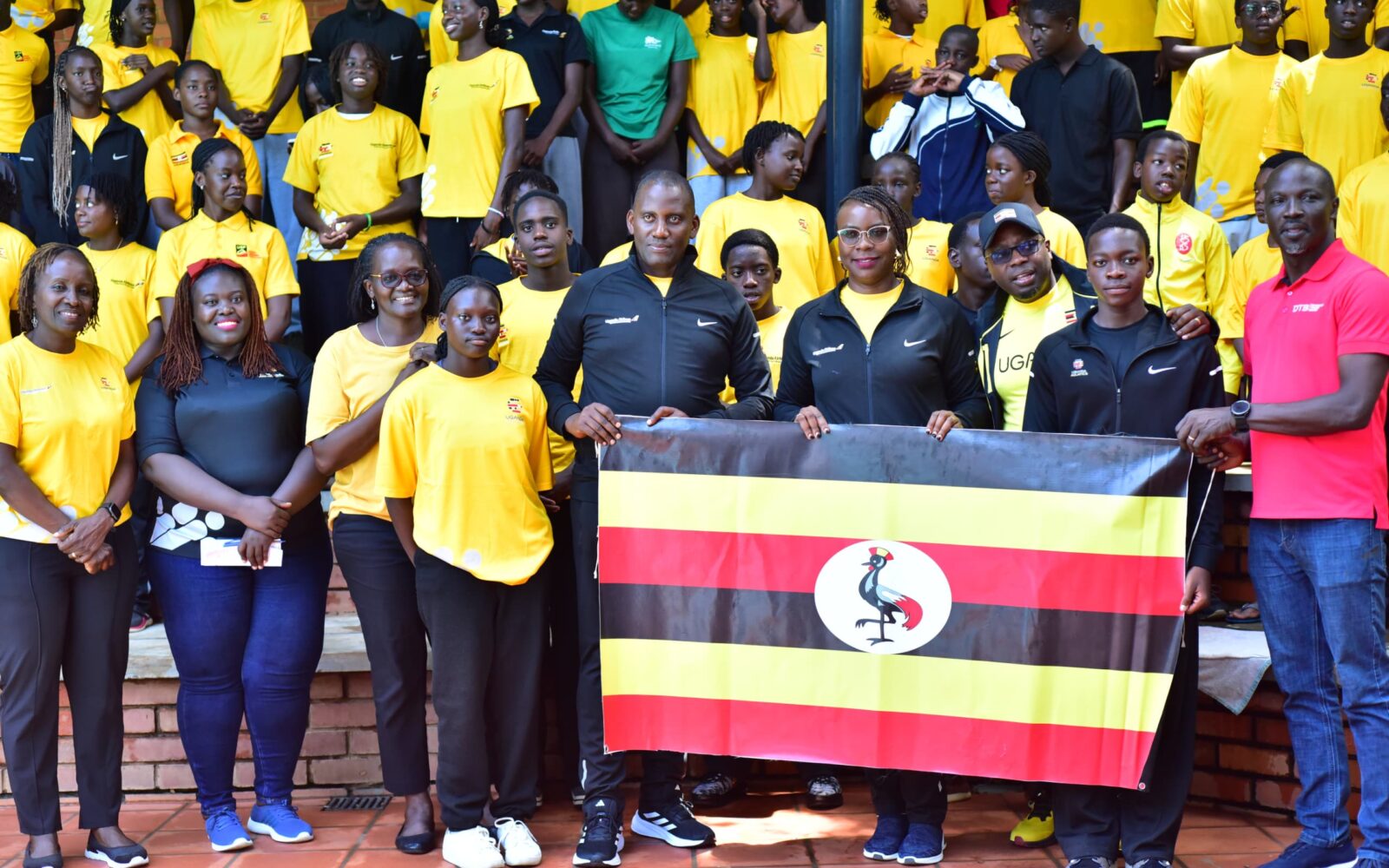
The Uganda Olympic Committee (UOC), through its Social Development through Sport Commission, has concluded the four-day TAFISA Certified Leadership Course (CLC) Level 1, held in Kampala from 19 to 22 October 2026, in partnership with The Association For International Sport for All (TAFISA) under the SÜCCEED Programme.
The course brought together participants for an intensive programme focused on strengthening leadership capacity, promoting inclusive participation in sport and physical activity, and equipping community sport leaders with practical skills to develop sustainable Sport for All initiatives.
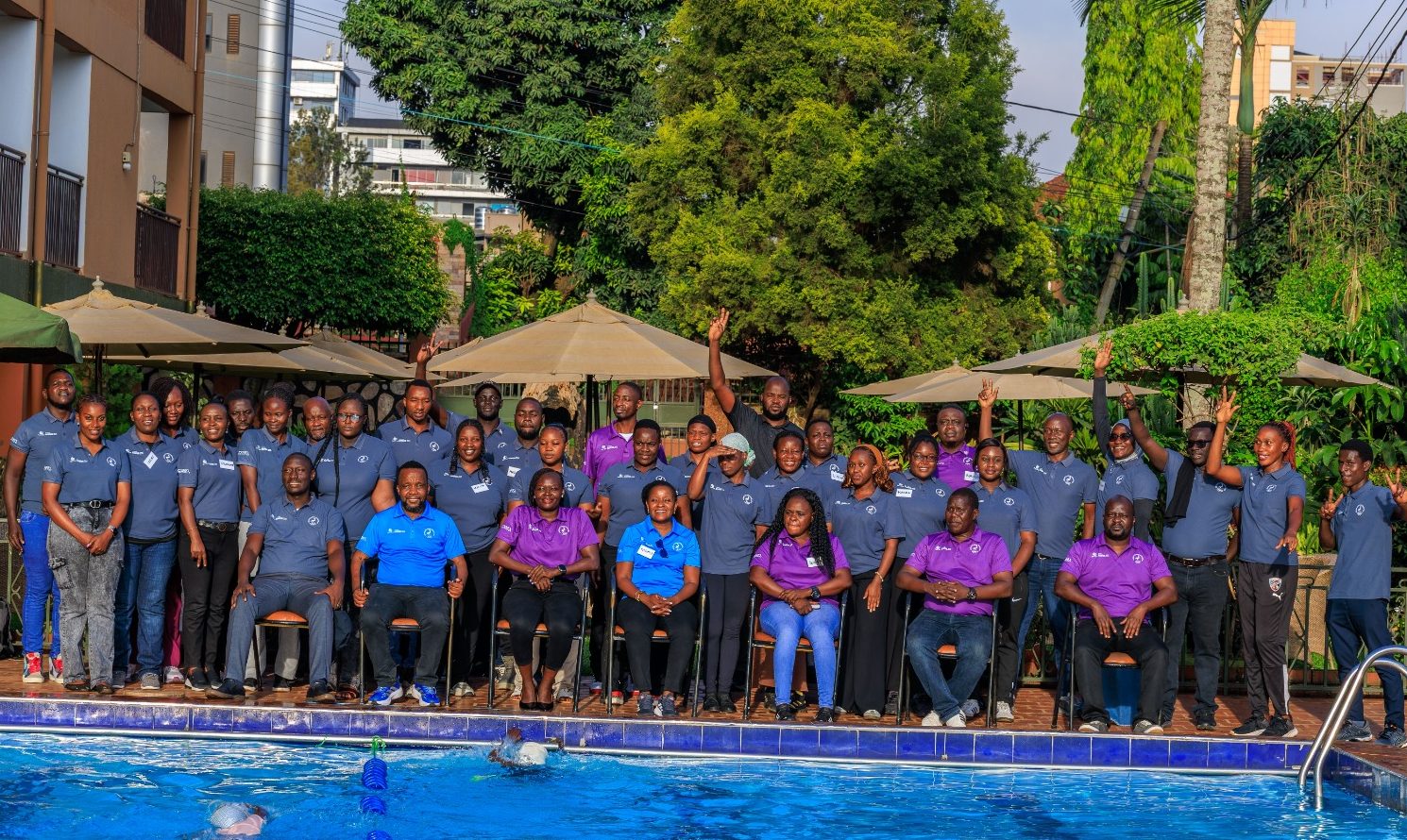
The programme concluded on Thursday, 22 October, with group project presentations, discussions on the future of Sport for All in Uganda and the awarding of certificates to participants who successfully completed the course.
Building a shared understanding of Sport for All
Day One focused on the foundations of Sport for All and its role in social development. Participants explored how sport and physical activity can contribute to physical, mental and social well-being, promote inclusion, preserve cultural diversity and support sustainable development.
The opening day’s first morning session was facilitated by Dr. Katongo Bwalya, who explored Sport for All as a tool for social development, highlighting the importance of creating opportunities for people from different backgrounds and abilities to participate in sport.
The second session, facilitated by Zama from Eswatini, examined global trends in Sport for All, including international and regional policy frameworks, emerging challenges and the importance of building effective networks to expand access to sport.
Participants discussed barriers such as inadequate infrastructure, unequal access to resources and the challenges of translating international policy commitments into meaningful community-level action. They also explored practical networking approaches, including stakeholder mapping, digital engagement and cross-sector collaboration involving sports organisations, government institutions, schools, civil society and the private sector.
The discussions highlighted the relevance of Olympism365 and TAFISA Mission 2030 in advancing more active, inclusive and healthier societies through sport.
Strengthening leadership, governance and inclusion
Day Two focused on leadership and capacity building within sport organisations, examining the qualities and practices required to build effective teams and create positive organisational environments.
TAFISA GALLERY
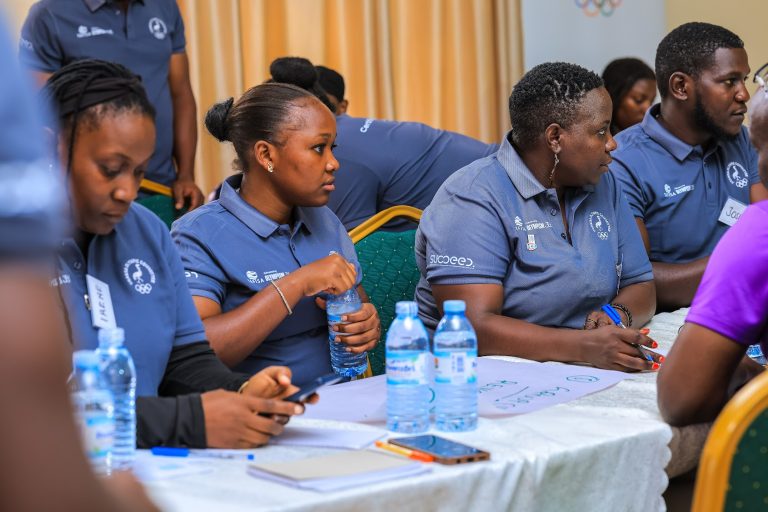
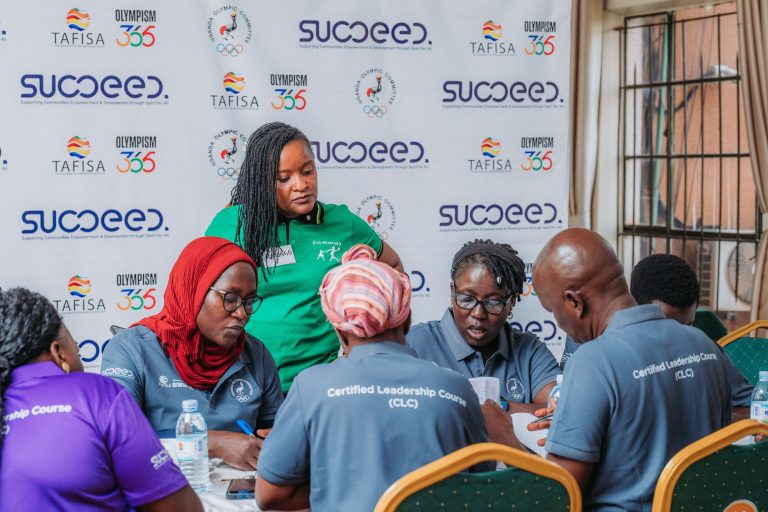
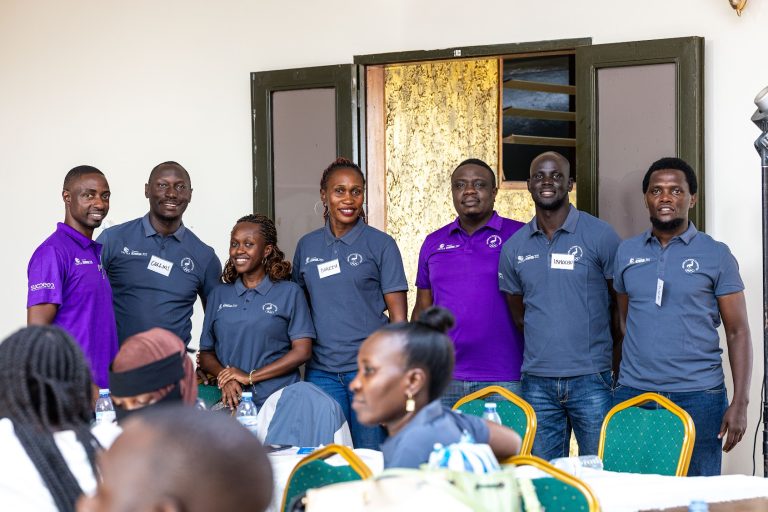
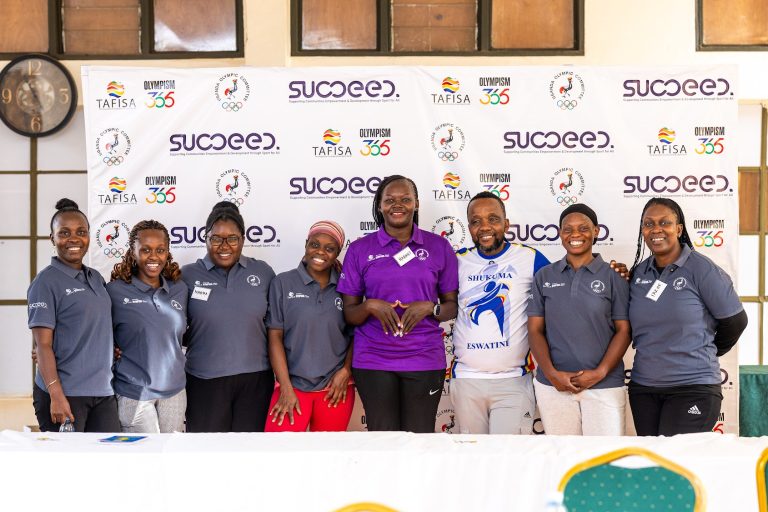
Participants explored leadership principles including setting clear goals, prioritising responsibilities, fostering collaboration, leading by example and building trust. The sessions also addressed managing resistance to change through effective communication, stakeholder involvement, adequate support and an understanding of individual and organisational needs.
The programme further examined good governance, ethics and safeguarding, alongside gender equality, inclusion and diversity in sport. These discussions underscored the importance of accountable leadership and policies that promote safe, respectful and inclusive sporting environments.
Through case studies and peer exchange, participants reflected on practical leadership challenges and explored ways to strengthen organisational effectiveness. They also examined the relationship between leadership and management, the importance of aligning operational activities with organisational goals, and the role of mentorship and empowerment in developing future sports leaders.
Turning community needs into sustainable initiatives
Day Three shifted the focus to project planning and fundraising, equipping participants with practical approaches to designing inclusive and impactful Sport for All programmes.
The sessions explored key stages of initiative development, beginning with community needs assessments and the identification of target groups. Participants examined how demographic characteristics, interests, cultural preferences and barriers to participation can inform programme design.
Through interactive group activities, they identified challenges that may prevent people from participating in sport and discussed potential short- and long-term solutions.
The programme also covered setting clear goals and objectives, developing initiatives, marketing and communication, monitoring, evaluation and learning (MEL), fundraising and resource mobilisation.
Climate action and sustainability in sport formed another important part of the day’s programme, highlighting the need to develop initiatives that are responsive to community needs and capable of delivering lasting benefits.
The discussions reinforced the importance of evidence-informed planning, effective resource use and continuous evaluation in ensuring that Sport for All initiatives remain relevant and sustainable.
Innovation and practical application take centre stage
The final day brought together the knowledge and skills developed throughout the course, with a focus on digital innovation, project development and the future of Sport for All in Uganda.
Participants began with a workshop on digital innovation in Sport for All, exploring how applications, media and technology can support participation, improve engagement and create new opportunities for community sport.
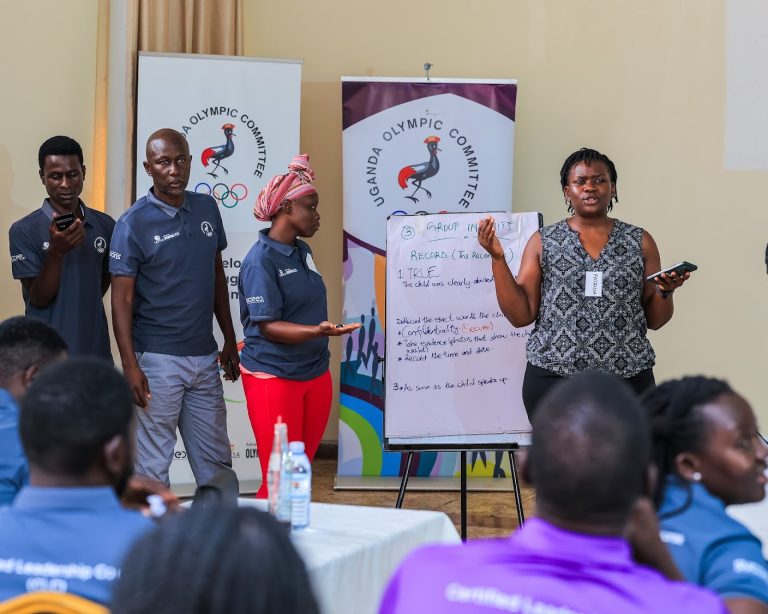
They subsequently worked in groups to refine their project proposals and prepare presentations, applying lessons from the previous sessions on inclusive programme design, stakeholder engagement, resource mobilisation and sustainability.
A major highlight was the presentation of group projects to a panel comprising representatives from UOC, TAFISA and partners. The presentations gave participants an opportunity to demonstrate their learning, receive feedback and consider practical approaches to addressing barriers to sport participation in their communities.
The programme concluded with feedback and discussion, a closing keynote on the future of Sport for All in Uganda, and the awarding of TAFISA Certified Leadership Course Level 1 certificates to participants who successfully completed the programme.
Investing in the future of community sport
The conclusion of the course marks an important step in strengthening leadership capacity and promoting inclusive sport development in Uganda.
By combining leadership training, policy discussions, practical project planning and collaborative learning, the programme equipped participants with tools to design initiatives that respond to community needs and expand opportunities for participation in sport and physical activity.
The course also reinforced the importance of collaboration among sports organisations, government institutions, community groups, development partners and other stakeholders in advancing Sport for All.
Through its Social Development through Sport Commission, UOC continues to support approaches that use sport as a tool for social development, inclusion and community well-being.
As participants take their learning into their respective organisations and communities, the focus now shifts from training to implementation, turning ideas into initiatives that can make sport more accessible and create lasting impact.
The message is clear: Sport for All is not simply about increasing participation; it is about creating opportunities, strengthening communities and ensuring that everyone has a place in sport.