Three Medals, One Proud Nation: Team Uganda Concludes Historic Dakar 2026 Youth Olympic Games Campaign.
- 7:53 pm
- BY HARRIET OCHENG
Uganda’s 25 young athletes return from Senegal with three bronze medals, valuable international experience and personal best performances after representing the country across seven sporting disciplines at the fourth Summer Youth Olympic Games.
Team Uganda has brought its Dakar 2026 Youth Olympic Games campaign to a close with three bronze medals, a series of personal best performances and a wealth of experience that will help shape the next generation of Ugandan Olympians.
The Games, held from 31 October to 13 November 2026, brought together approximately 2,700 young athletes from around the world for two weeks of sporting competition, cultural exchange and athlete development.
For Africa, the occasion was particularly significant. Dakar became the first African city to host an Olympic sporting event, marking a historic milestone for Senegal, the continent and the Olympic Movement.
Uganda was represented by 25 athletes across seven disciplines: Athletics, Badminton, Cycling (Road), Rugby Sevens, Swimming, Table Tennis and Rowing (Coastal Beach Sprints). The athletes formed part of a 47-member delegation led by Chef de Mission Ms. Lydia Gloria Ssanyu Dhamuzungu.
The Ugandan contingent comprised 17 male and eight female athletes, with each competitor given an opportunity to test their abilities against some of the world’s most promising young sporting talents.
Three Bronze Medals Headline Uganda’s Campaign
Athletics provided Uganda’s medal success, with three athletes earning places on the podium through impressive performances in their respective events.
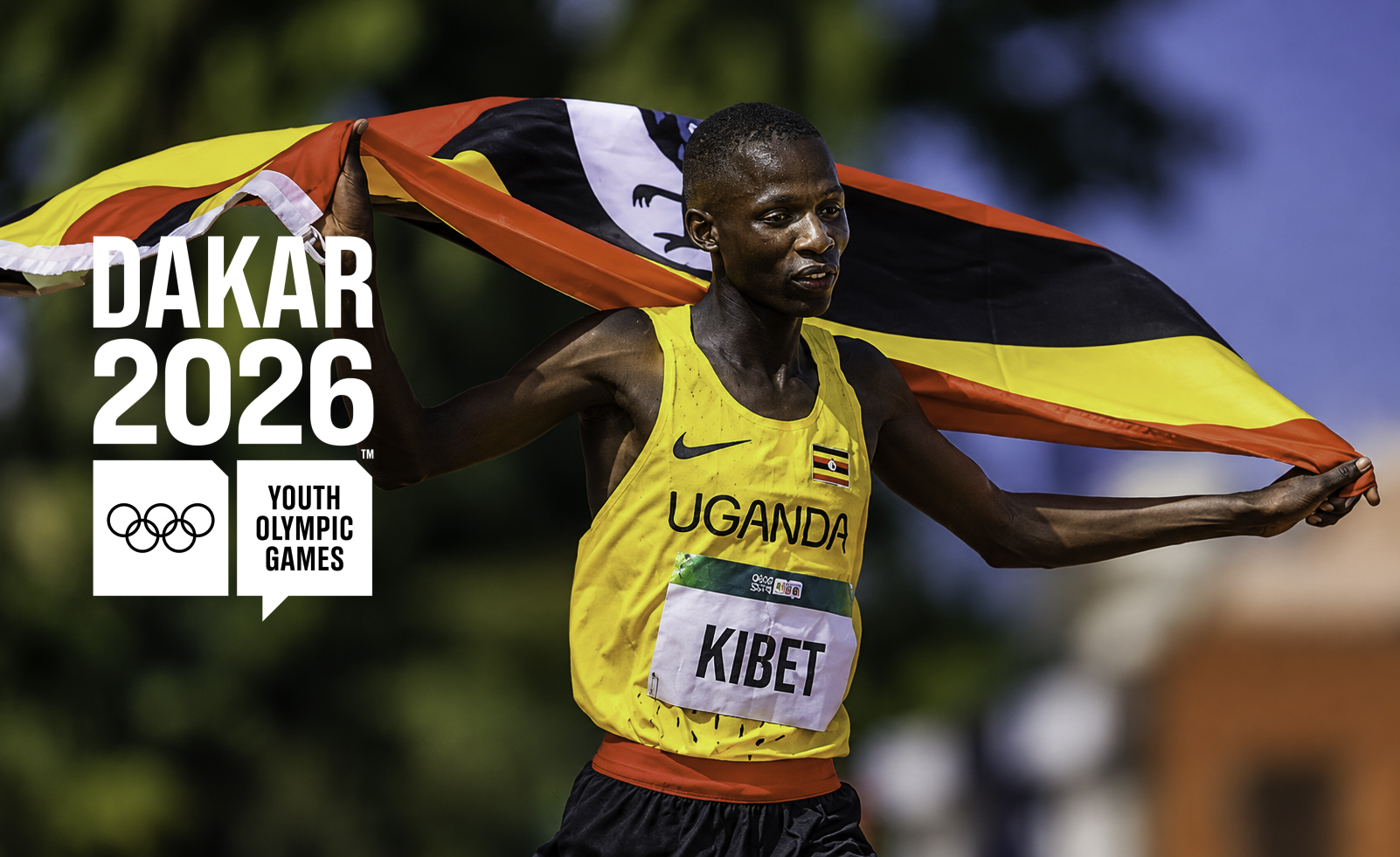
The medal campaign began with Michael Kibet, who claimed bronze in the men’s 2000m steeplechase after clocking a personal best of 5:39.50.
Keren Chelimo followed with another podium finish in the women’s 3000m, securing bronze in a season’s best time of 9:32.41.
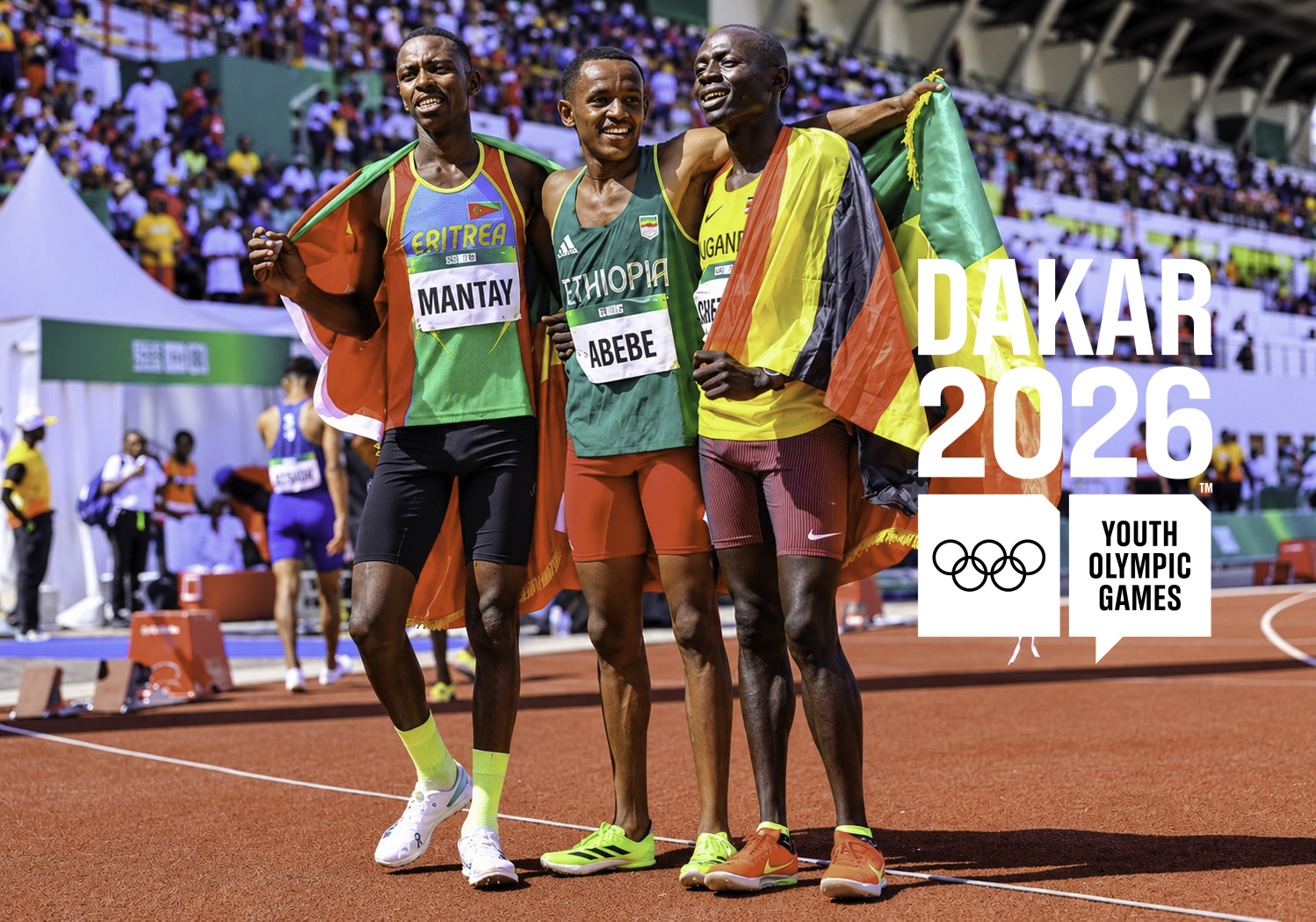
Timothy Cheptoek completed Uganda’s medal collection with bronze in the men’s 800m final. He produced an outstanding personal-best performance of 1:51.59, improving significantly on the 1:55.21 he had recorded in the semi-finals.
The three performances brought Uganda’s medal tally to three bronze medals, all secured in athletics.
Beyond the podium, other athletes also delivered commendable performances. Baskaline Cherotwo finished fifth in the women’s 1500m final in 4:33.75, while Racheal Chelimo placed fifth in the women’s 2000m steeplechase with a personal best of 6:49.56.
Timothy’s medal and the achievements of his teammates demonstrated the potential within Uganda’s emerging athletics talent and provided an encouraging foundation for future international competitions.
Beyond the Podium: Valuable Lessons Across Seven Sports
While athletics delivered the medals, Uganda’s participation across the other six disciplines was equally important in exposing young athletes to international competition and providing opportunities for growth.
In cycling, Ali Ssali represented Uganda in the men’s road race and individual time trial. After a challenging experience in the 76.5km road race, where a right-thigh cramp forced him to withdraw with five laps remaining, the young cyclist returned for the 8.5km individual time trial.
He completed the course along Dakar’s Corniche Ouest in 13:54.68, finishing 38th in a competitive international field.
Swimming also provided opportunities for Uganda’s young competitors to measure themselves against international opposition. Peyton Mary Suubi competed in the girls’ 400m freestyle, clocking 4:52.59, while Mark Arthur Mwase recorded 55.47 in the men’s 100m freestyle and 2:05.39 in the boys’ 200m freestyle. Zara Marie Mbanga recorded a personal best of 2:56.89 in the women’s 200m breaststroke, while other members of the swimming team gained experience across their respective events.
In table tennis, Joseph Sebatindira and Jemimah Nakawala represented Uganda in the singles competitions. Nakawala registered a notable 3–0 victory over Ghana’s Joanita Borteye, adding a positive moment to Uganda’s campaign.
Badminton player Ramiah Bukenya also gained valuable international exposure through her singles matches, while rower Marcel Andrew Otim competed in the coastal rowing time trials, recording 3:04.97 in his second outing.
Rugby Sevens was another important part of Uganda’s representation. The Junior Rugby Sevens Cranes faced a challenging international field, taking on France, Argentina and Japan in the pool stages before competing in the classification matches.
Despite the difficult opposition, the team showed determination throughout the competition, with Almadi Otema scoring against Japan and captain Shafik Okole adding the conversion. Uganda eventually finished eighth after a 10–5 defeat to Senegal in the seventh-place playoff.
The experience provided the young players with valuable exposure to international rugby and an opportunity to understand the demands of competing at this level.
Across the seven disciplines, the athletes’ performances, individual improvements and exposure to different styles of competition formed an important part of Uganda’s wider development journey.
A Historic Milestone for Refugee Youth
Uganda’s involvement in Dakar extended beyond its national delegation through the participation of two young athletes based in the country who represented the Refugee Olympic Team.
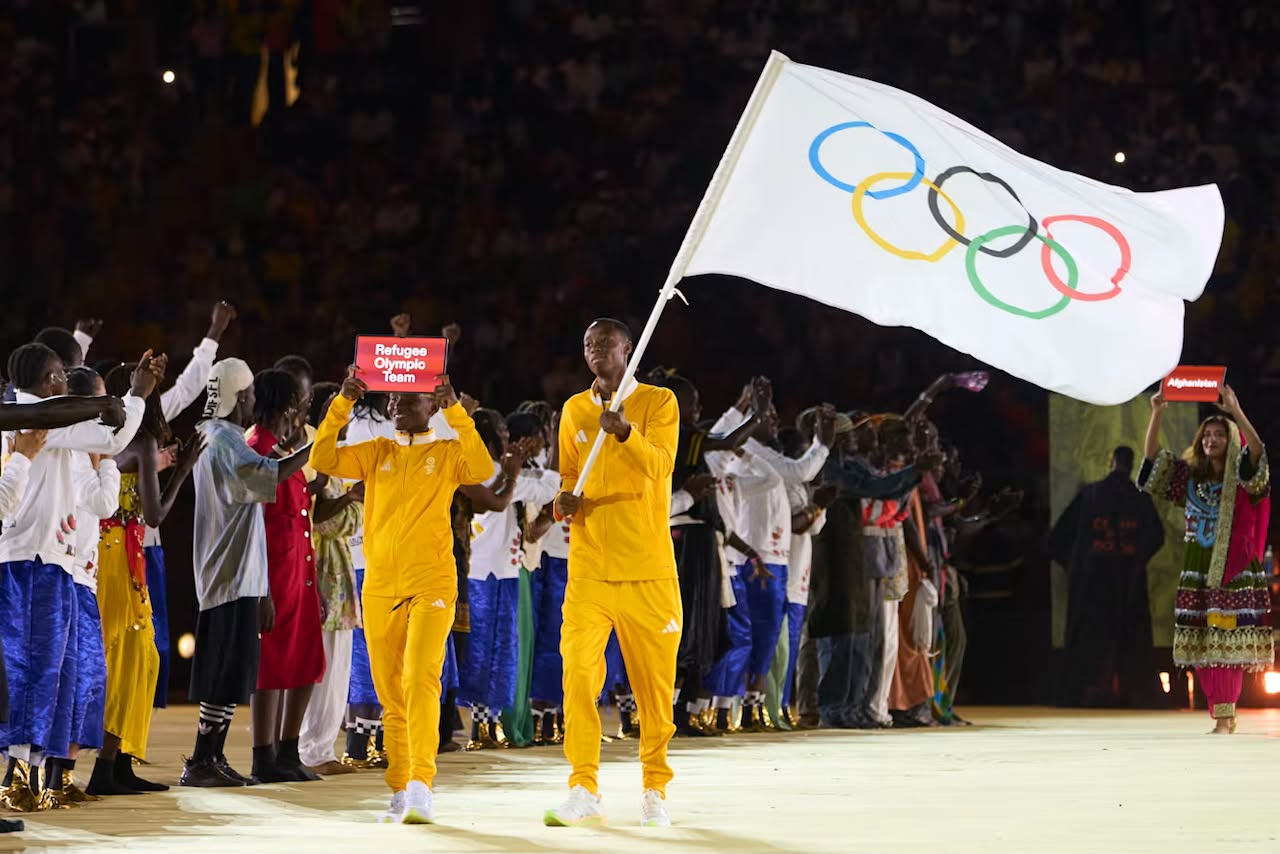
Florence Masembe and Rachid Rochene made history as members of the first-ever Refugee Olympic Team to compete at the Youth Olympic Games.
The two sprinters competed in the women’s and men’s 200m respectively, marking an important milestone for refugee representation in international youth sport.
Both athletes recorded personal bests in their respective semi-finals. Rochene clocked 24.32 in the men’s 200m, while Masembe registered 29.54 in the women’s event.
Their journey to Dakar was supported through the Game Connect programme, which uses sport to promote inclusion and create opportunities for young people in refugee and host communities in Uganda.
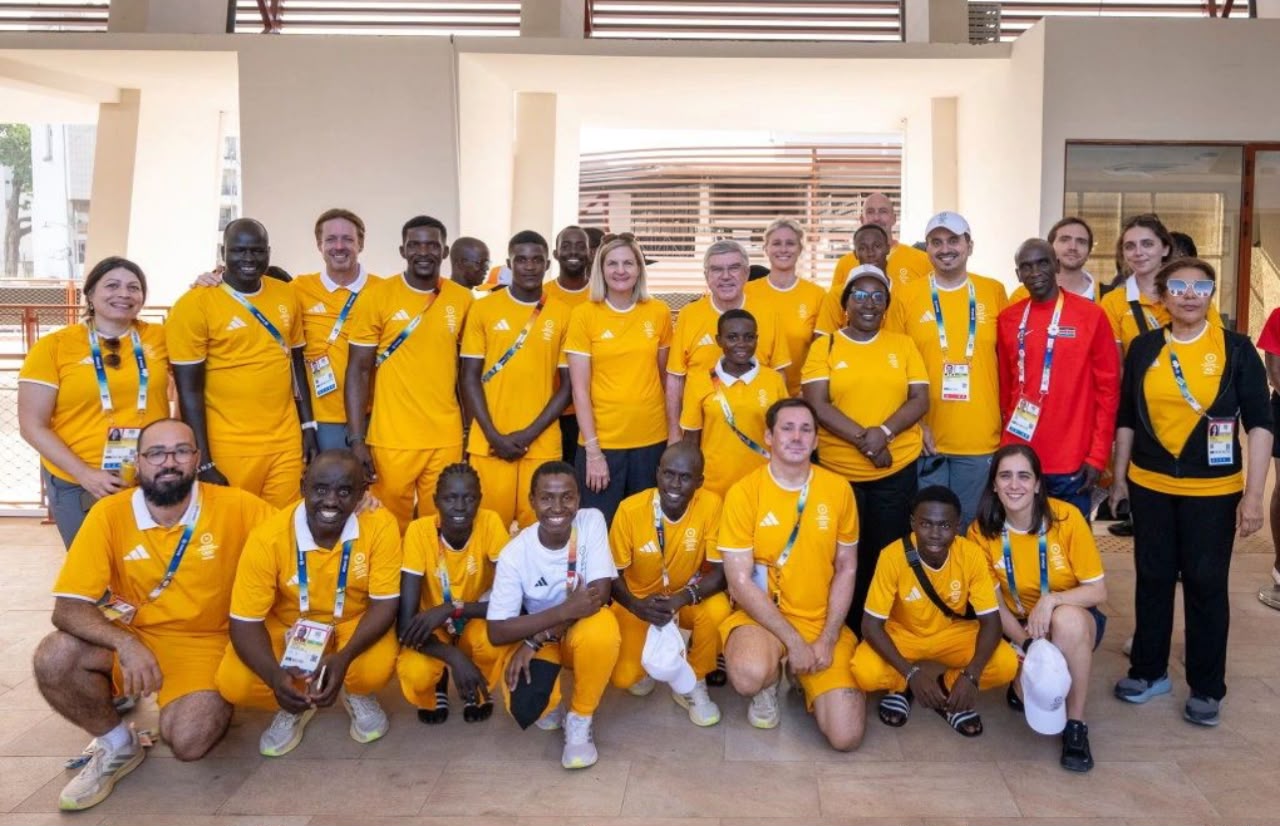
The athletes’ participation was also recognised by the Olympic Refuge Foundation Board, which visited Dakar to support the team and celebrate the achievements of the young competitors.
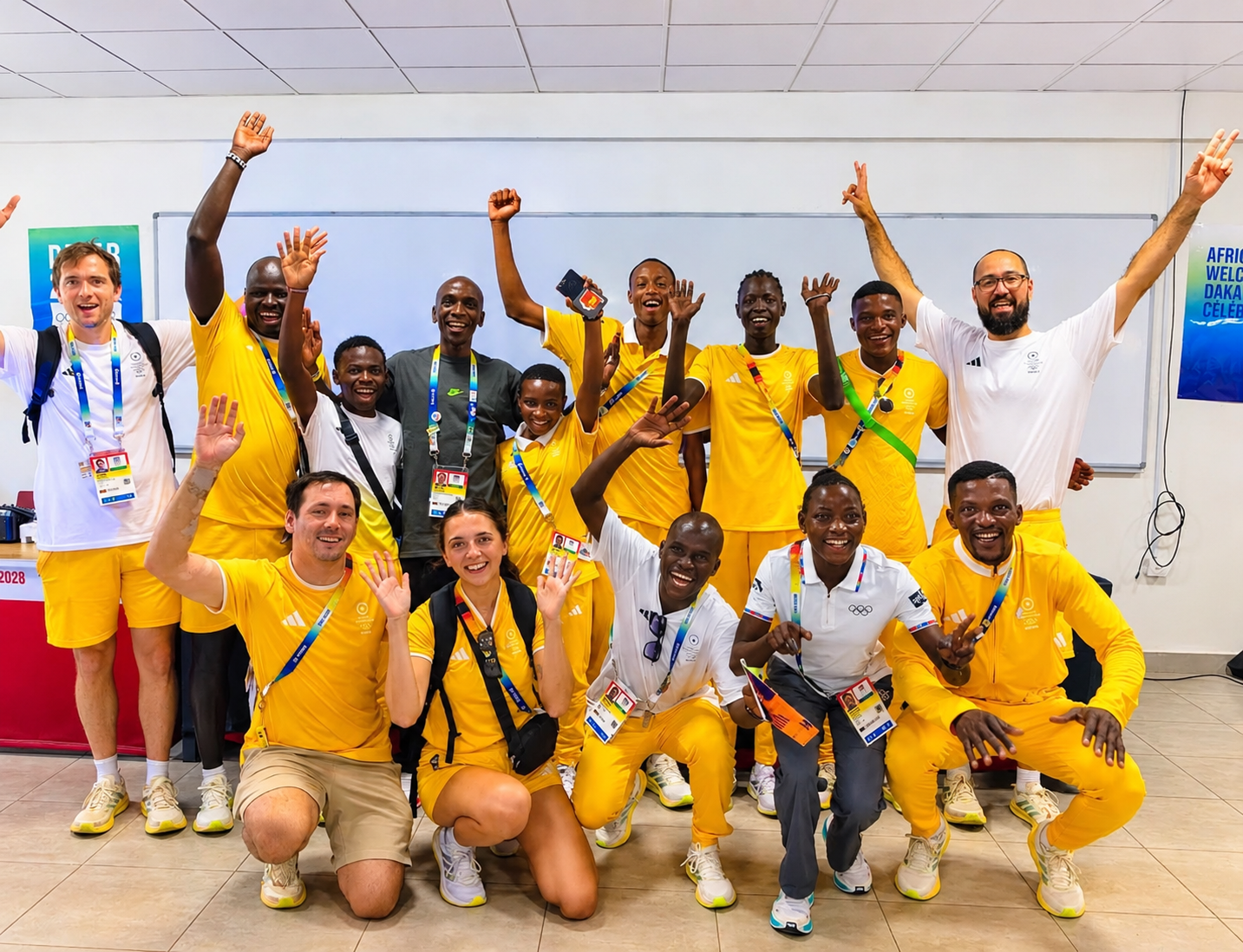
They further benefited from an inspiring mentorship session with double Olympic marathon champion Eliud Kipchoge, who shared his experiences and encouraged the next generation of athletes.
For Masembe and Rochene, Dakar was more than a competition. It was an opportunity to showcase their talent, gain international exposure and demonstrate that sporting ambition can transcend borders and circumstances.
Learning from Champions and the Olympic Movement
Beyond the competitions, the Youth Olympic Games offered athletes opportunities to learn, connect and develop through educational and cultural activities.
One of the memorable engagements was an Inside Sport session led by Eliud Kipchoge at the Youth Olympic Village. The marathon legend shared lessons from his career with young athletes, highlighting the importance of discipline, commitment and perseverance.
Uganda’s athletes also had the opportunity to engage with the wider Olympic community, including athlete role models and representatives of the Olympic Movement.
Such experiences form an essential part of the Youth Olympic Games, which are designed not only to provide a competitive platform but also to nurture well-rounded athletes through learning, friendship and the Olympic values.
Leadership Reflections: Building Uganda’s Next Generation
Reflecting on the country’s campaign, Uganda Olympic Committee President Dr. Donald Rukare described the Dakar 2026 experience as a positive milestone for Uganda and African sport.
He congratulated Senegal for successfully hosting the first Olympic sporting event on African soil, describing the Games as a “proof of concept” that Africa has the capacity to organise and deliver major international sporting events.
The President highlighted Senegal’s organisation, transport arrangements, accommodation, sporting facilities, technical officials and volunteer management as important lessons for other African countries.
For Uganda, he emphasised that the next step must be to build on the performances in Dakar through stronger investment in grassroots and school sport, improved coaching and structured athlete development programmes.
He called for closer collaboration between national sports federations, the National Council of Sports, schools and other stakeholders to establish clear pathways that allow young athletes to progress from school competitions to clubs, national teams and eventually the Olympic stage.
Dr. Rukare also identified AFCON 2027 as an important opportunity for Uganda to strengthen its event-hosting capacity and build towards ambitions of attracting more major international sporting competitions.
Team Uganda Chef de Mission Ms. Lydia Gloria Ssanyu Dhamuzungu described the Youth Olympic Games as a vital foundation for the country’s future Olympians.
She commended the athletes for their courage, determination and fighting spirit, highlighting the three bronze medals, personal best performances and the team’s ability to adapt to Dakar’s challenging weather conditions.
She also noted that the team completed its campaign without major injury setbacks, reflecting the commitment of the athletes, coaches and support personnel.
For the Chef de Mission, the experience gained by the young athletes is an important starting point as they work towards future international competitions, including the Los Angeles 2028 and Brisbane 2032 Olympic Games.
Team captains Joseph Sebatindira and Zara Marie Mbanga also formed part of the leadership structure guiding the young athletes throughout the Games.
Dakar 2026: A New Chapter for African Sport
The successful hosting of Dakar 2026 represented a defining moment for the Olympic Movement and Africa’s place in international sport.
Approximately 2,700 athletes from 204 National Olympic Committees competed across 25 sports, with the Games taking place in Dakar, Diamniadio and Saly.
The event showcased Senegal’s ability to welcome the world while celebrating African culture, creativity, hospitality and sporting talent.
For Uganda, the experience provided lessons that extend beyond the three medals. It highlighted the importance of preparing young athletes early, investing in sports development structures and creating opportunities for emerging talent to compete internationally.
The next milestones are already on the horizon, including the Malta 2027 Commonwealth Youth Games, the Los Angeles 2028 Olympic Games and future Commonwealth and continental competitions.
As the athletes return home, the focus shifts to translating their Dakar experience into continued progress through consistent training, improved preparation, and sustained support from their respective federations.
Three bronze medals may define Uganda’s final medal tally, but the greater achievement lies in the experience gained, the talent discovered, the records improved and the ambitions inspired.
Dakar 2026 has provided another important building block for Uganda’s sporting future. The journey towards tomorrow’s champions continues.
Team Uganda. at Dakar 2026
Uganda's medal winners
- Michael KibetMen's 2000m Steeplechase
- Keren ChelimoWomen's 3000m
- Timothy CheptoekMen's 800m
Historic refugee representation
Florence Masembe and Rachid Rochene represented the Refugee Olympic Team, which made its first appearance at the Youth Olympic Games.