LATEST NEWS
*******
-
 Athlete365 Career+ Workshop Opens with a Focus on Self-Discovery and Personal Growth.26 Nov 2026
-
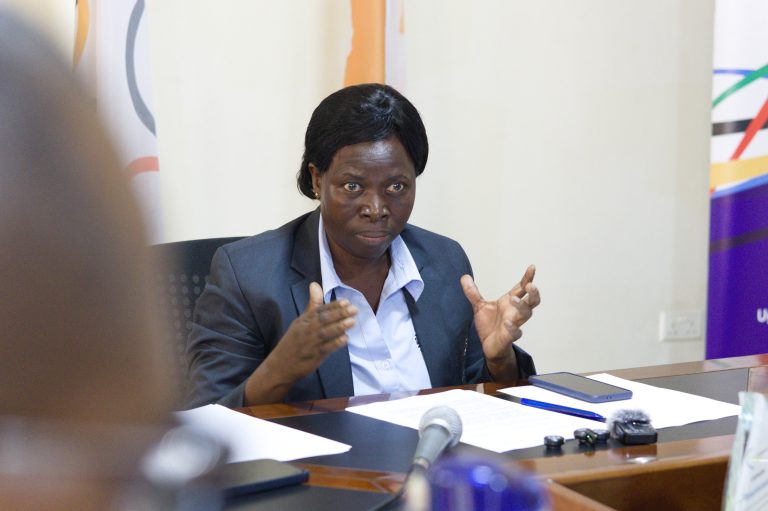 UOC Calls for Collective Action to End Gender-Based Violence Through Sport.26 Nov 2026
-
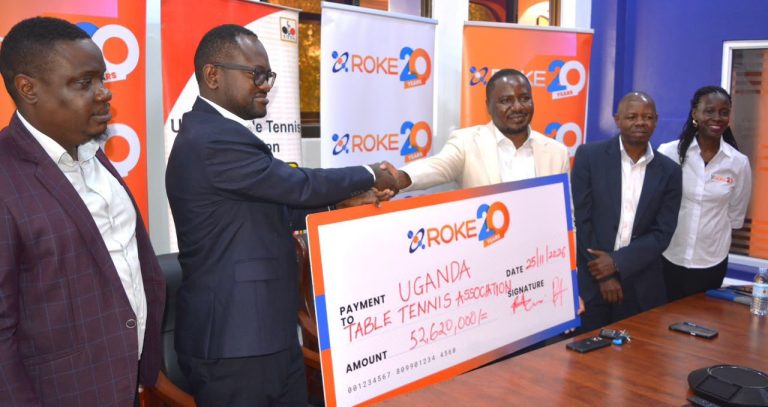 Roke Telkom Commits UGX 52.62 Million to Uganda Open Table Tennis Championship Through 2029.26 Nov 2026
-
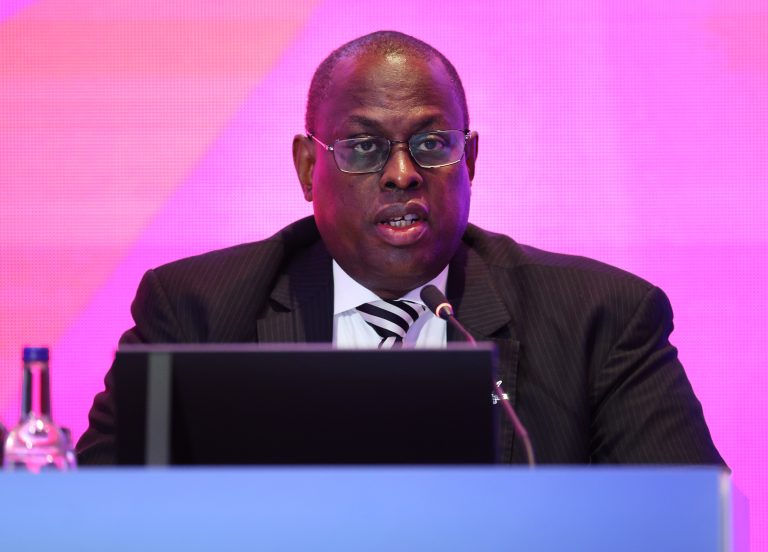 Dr Donald Rukare Calls on Commonwealth Sport Movement to Build on Glasgow 2026 Success.25 Nov 2026
-
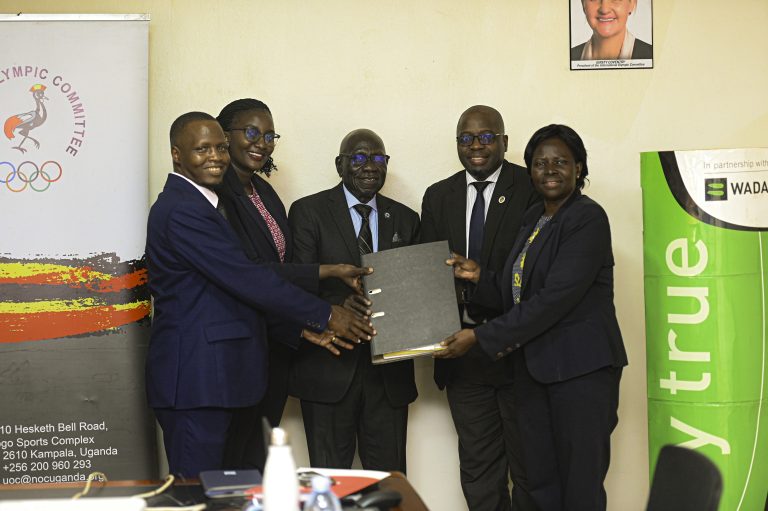 UOC Officially Hands Over National Anti-Doping Responsibilities to NADO Uganda.25 Nov 2026
-
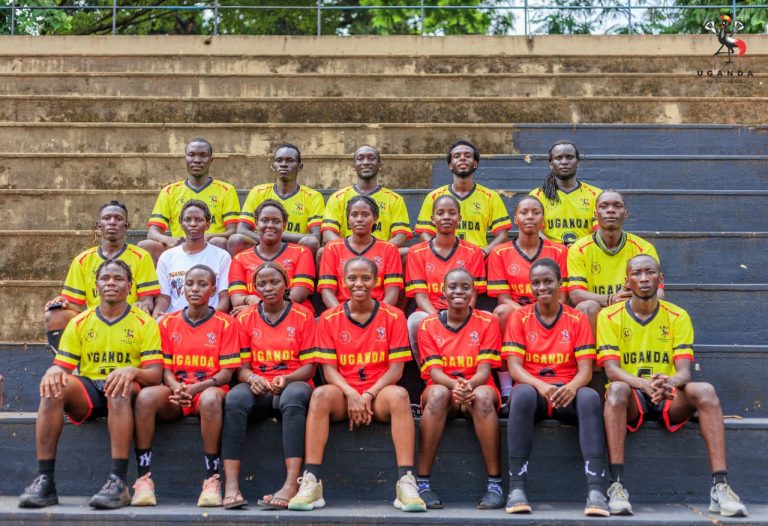 Uganda Lacrosse Unveils New National Kits Ahead of 2026 African Sixes Championship.25 Nov 2026
-
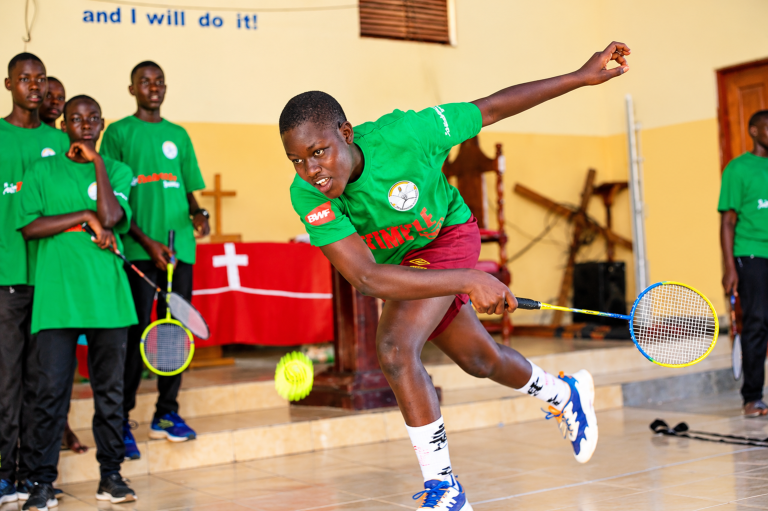 Badminton Uganda Takes Shuttle Time Programme to Schools in Nationwide Grassroots Development Drive.24 Nov 2026
-
 Formidable Swim Club Takes Drowning Prevention Campaign to Lake Bunyonyi.24 Nov 2026
-
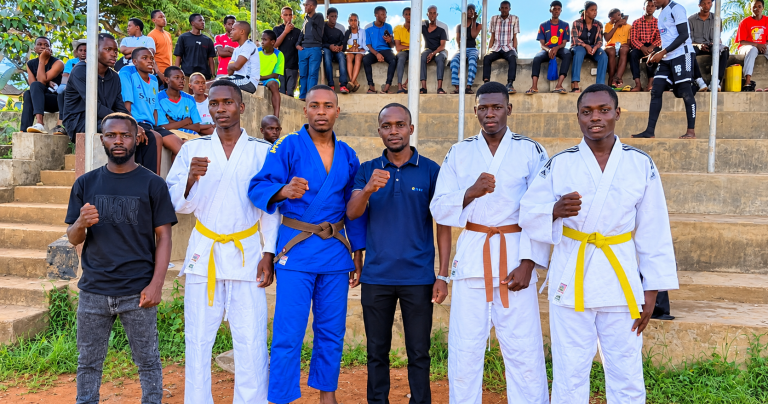 Uganda Judo Federation Takes Judo to King Ceasor University in Club Development Initiative.23 Nov 2026
-
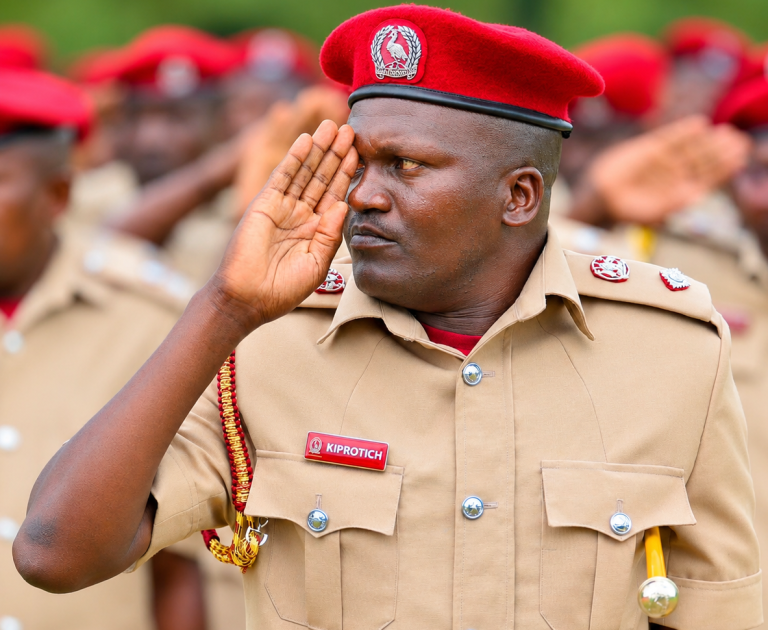 Stephen Kiprotich adds command and staff qualification to illustrious career.23 Nov 2026
-
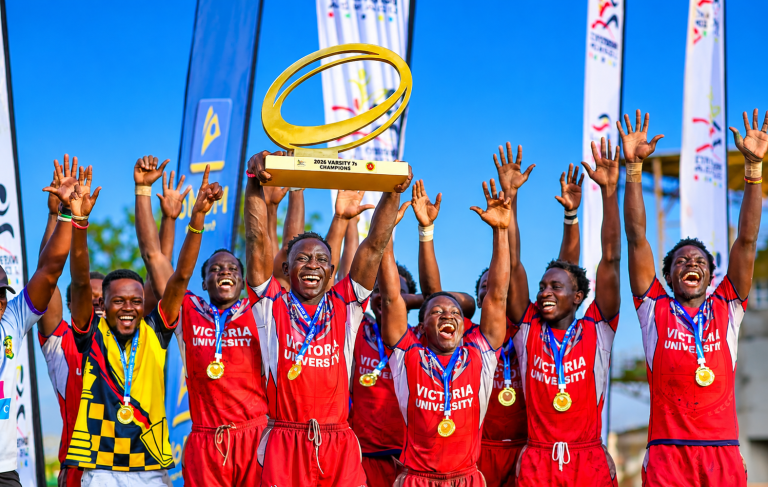 Victoria University Retain Varsity Rugby 7s Crown with Commanding Final Victory.21 Nov 2026
-
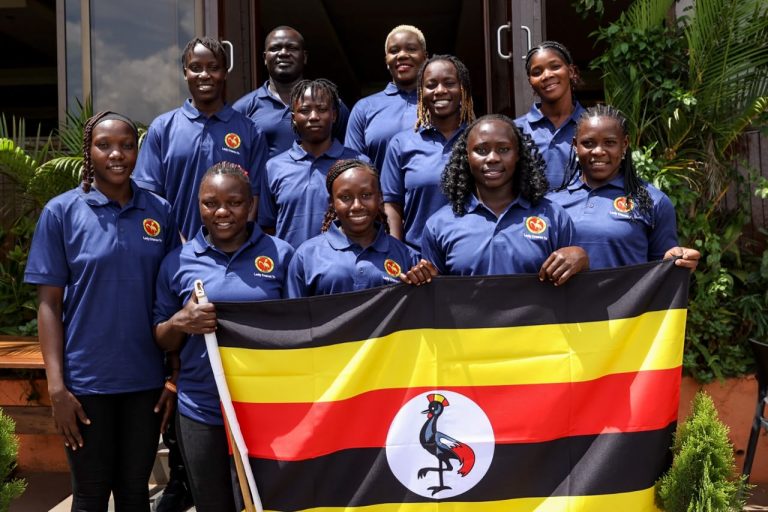 Lady Cranes sevens set for Dubai Challenge after flag-off.21 Nov 2026
-
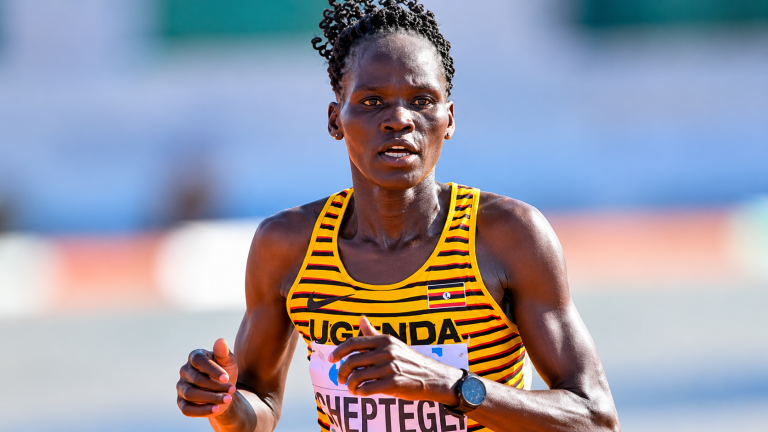 Rebecca Cheptegei memorial run returns to bukwo with a call to end gender-based violence.20 Nov 2026
NCS Stands firm on registration law, warns non-compliant federations of funding ban.

The General Secretary National Council of Sports (NCS) Dr. Benard Ogwel has defended the ongoing registration and compliance exercise for national sports federations, warning that only organisations that meet the requirements of the National Sports Act and its regulations will be eligible for government funding.
Addressing the media, at chopper chimney where a two-day engagement with media and stakeholders was slated to be held on Friday and Saturday Dr. Ogwel dismissed calls for government to finance federation registration, arguing that federations have received substantial public funding over the years but failed to prioritise governance, planning and nationwide development.
“We have been funding federations. Over the last five financial years, some have received billions of shillings,” Ogwel said. “The real question is not why government should provide more money, but how the money already given has been used.”
The Council stressed that the law intentionally requires federations to demonstrate a genuine national footprint, noting that many bodies operating under the banner of “national federations” exist only in a handful of regions.
A nationwide monitoring and evaluation exercise across all districts revealed that most districts were familiar with only four or five sports federations, despite government support extending to more than 50 recognised sports disciplines.
“Some of these organisations are national in name only,” Ogwel stated. “In reality, they are village or regional associations. Government was deliberate: if you call yourself a national federation, you must have a national character.”
Under the law, federations seeking national status must demonstrate activity in at least 75 percent of Uganda’s districts, while amateur associations are required to meet a minimum threshold of 50 percent district coverage.
NCS made it clear that failure to comply with registration requirements will result in loss of government funding. A government gazette to be published by June 30 will list federations eligible for funding in the 2026/2027 financial year.
“If you have not complied, you will not qualify as a national sports federation,” the Council warned. “Those without capacity should remain at district or regional level.”
Annual registration, as required by law, was defended as a necessary accountability mechanism to curb abuses that occurred under the repealed National Council of Sports Act.
NCS revealed that eight federations were denied registration following objections raised on legal grounds. These included duplication of existing sports disciplines, misleading
federation names, failure to comply with constitutional requirements, and submission of false information.
“Some federations claimed presence in districts where they are completely unknown—no schools, no communities, no activities for over 10 years,” Ogwel noted.
Affected federations have been advised to appeal to the Minister of Education and Sports, with disputes to be resolved through the legally mandated arbitration tribunal.
Dr. Benard Ogwel pointed to major government investments in sports infrastructure as proof of its commitment to sector development. These include:
· Construction of regional stadiums with 20,000-seat capacity across all regions within five years
· Completion of Hoima Stadium, currently undergoing commissioning
· Construction of training facilities in Hoima, Masindi, Kiyambogo, Makerere, Gulu, Lira and other areas
· Establishment of the National Sports Academy of Uganda on 100 acres in Hoima
· Development of multi-sport facilities including swimming pools, athletics tracks, rugby pitches, basketball courts and tennis courts
· Government has allocated more than UGX 1.4 trillion toward sports infrastructure, with facilities designed to serve multiple disciplines and support Uganda’s hosting of AFCON 2027.
While government continues to invest heavily in infrastructure, NCS challenged federations to improve planning, acquire assets and adopt long-term strategies.
“If you receive UGX 2.4 billion annually and cannot save UGX 400 million to buy land and build offices, then the problem is not funding—it is planning,” Ogwel said.
Federations were urged to develop strategic plans aligned with national development priorities, with NCS cautioning that government cannot “push federations like a wheelbarrow” to ensure compliance.

Dr. Benard Ogwel also announced plans to professionalise management of public sports facilities through contracted management companies, targeting at least USD 20 million annually in non-tax revenue.
Facilities will be commercially branded, professionally maintained and booked through regulated systems to guarantee sustainability and proper utilisation.
Dr. Ogwel reaffirmed that the National Council’s actions are grounded in the law and national policy, aimed at improving sports governance, ensuring regional balance and positioning sport as a viable economic industry.
“Sport is no longer just leisure. It is a global industry,” emphasized Dr. Ogwel “If federations want value, they must grow beyond villages and regions. National must truly mean national.”
Dr. Ogwel closed his remarks by opening the two day engagement media and stakeholders with the National Council of Sports at the same premises stating that further updates on the engagement and progress should be expected in the coming months on federation compliance and infrastructure development.