AFCON PAMOJA 2027: New tournament identity puts East African heritage and Uganda's sporting infrastructure in the spotlight.
- 7:23 pm
- BY HARRIET OCHENG
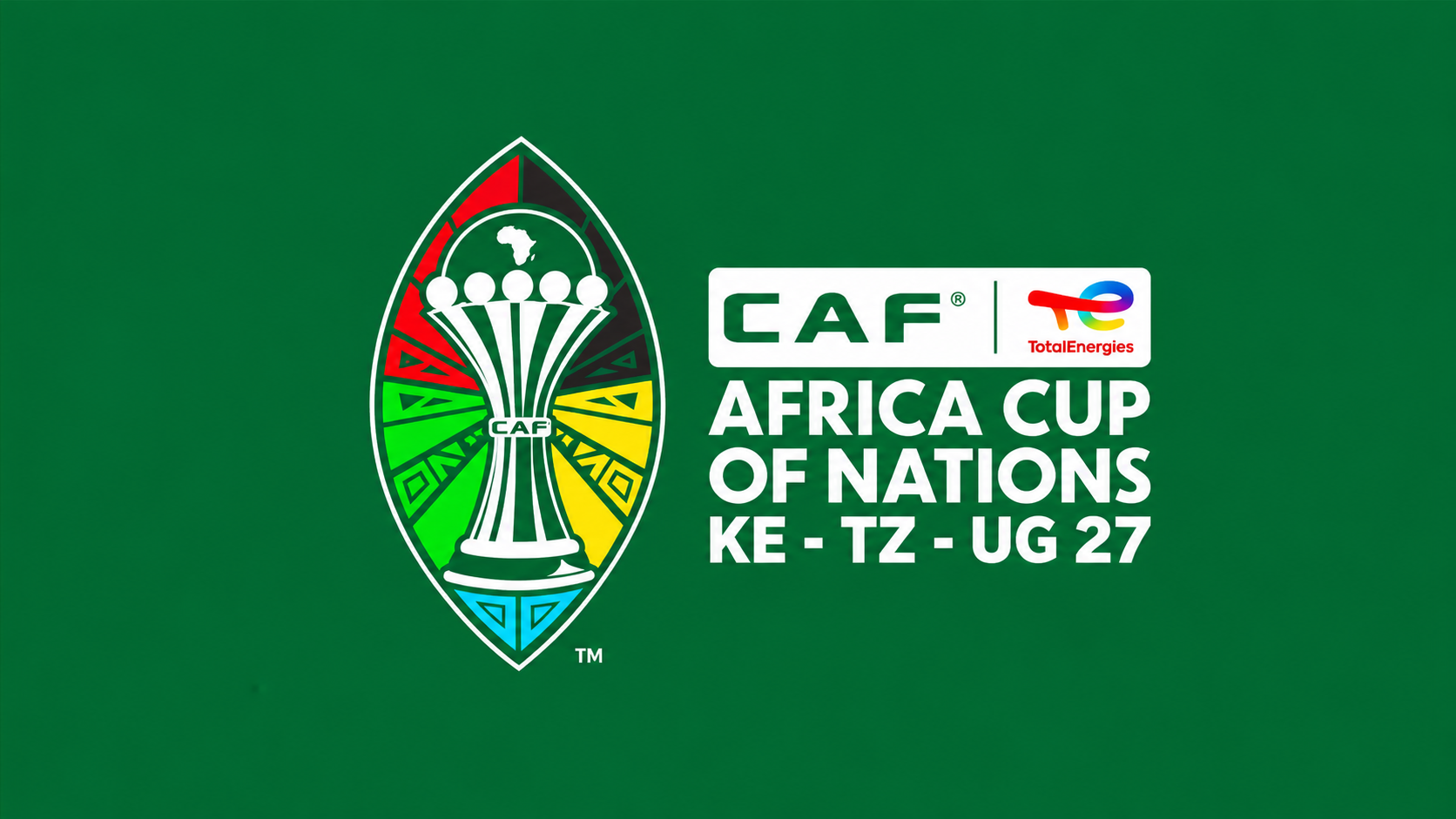
Uganda’s preparations for the 2027 TotalEnergies CAF Africa Cup of Nations have gained fresh momentum following the unveiling of the tournament’s official logo and visual identity, celebrating the shared heritage of Uganda, Kenya and Tanzania.
The Confederation of African Football (CAF), together with the three host nations, unveiled the new identity on 19 November 2026, marking another important milestone on the journey towards bringing Africa’s biggest football competition to East Africa.
Inspired by the traditional East African shield, the emblem combines cultural symbolism, colourful patterns and the silhouette of the AFCON trophy, reflecting the region’s heritage, unity and aspirations.
The design also incorporates distinctive national elements, allowing each host country to maintain its cultural identity within the shared PAMOJA brand.
For Uganda, the unveiling represents an opportunity to showcase its national identity and growing sporting ambitions to an international audience.
Uganda’s sporting infrastructure prepares for the continental stage
As the tournament approaches, Uganda’s preparations extend beyond branding and promotion to the development and upgrading of major sporting facilities expected to support the competition.
At the centre of these preparations is Mandela National Stadium in Namboole, the country’s flagship sports venue. The ongoing remodelling and upgrading works are aimed at strengthening the stadium’s facilities and meeting the infrastructure requirements associated with hosting a major continental football tournament.
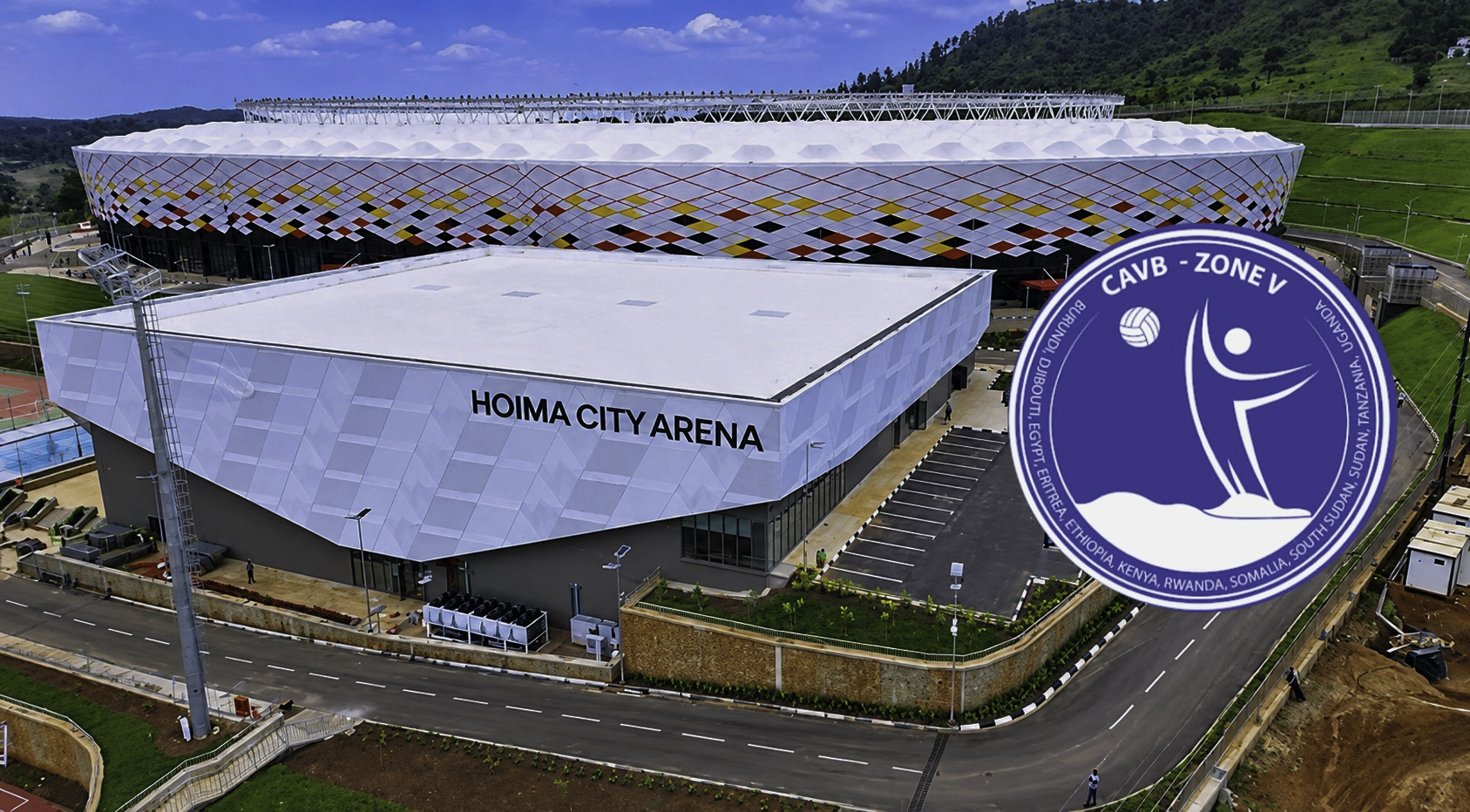
In Western Uganda, Hoima City Stadium represents another significant milestone in the country’s sports infrastructure development. The modern facility, constructed in Hoima City, adds an important new sporting destination and expands Uganda’s capacity to host international competitions.
The stadium is also strategically positioned to support the development of sports tourism in the Bunyoro region, with opportunities to connect sporting events to the area’s wider tourism and hospitality potential.
Further north, Akii-Bua Olympic Stadium in Lira is another important investment in Uganda’s sporting future. Named after Uganda’s legendary Olympic gold medallist John Akii-Bua, the facility carries both sporting and historical significance.
Its development is expected to strengthen sports infrastructure in Northern Uganda while providing additional capacity for major sporting events and athlete development.
Together, these facilities reflect a broader ambition to expand Uganda’s ability to host international competitions while creating infrastructure that will continue serving the sporting community long after AFCON 2027.
Investing beyond the match venues
Uganda’s preparations also include the development and upgrading of training facilities to support participating teams during the tournament.
Facilities across the Namboole, Hoima and Northern Uganda clusters are part of the wider infrastructure programme, including grounds at Makerere University, Kyambogo University, Hoima Boma, Masindi, Pece in Gulu, Lira University and FUFA Kadiba, among others.
These investments are important in ensuring that teams have appropriate training environments and that the tournament’s operational requirements are supported beyond the main stadiums.
The wider infrastructure programme also presents an opportunity to strengthen local sports development by improving access to quality facilities for athletes, clubs, schools and sports federations.
PAMOJA: Three nations, one shared ambition
The word PAMOJA, meaning ‘Together’ in Swahili, captures the spirit behind the historic joint hosting arrangement.
For the first time, Uganda, Kenya and Tanzania will jointly host the Africa Cup of Nations, creating a landmark moment for East African football.
The tournament, scheduled for 19 June to 17 July 2027, will bring together 24 national teams, supporters, football administrators, sponsors and international media.
Beyond the football spectacle, the competition offers the three countries an opportunity to showcase their tourism attractions, cultural diversity, hospitality and investment potential.
For Uganda, it is also an opportunity to strengthen its international sporting profile, create opportunities for local businesses and inspire the next generation of athletes and sports professionals.
A legacy beyond 2027
As the countdown continues, the unveiling of the AFCON PAMOJA 2027 identity serves as a reminder that preparations involve more than getting stadiums ready for match day.
The real opportunity lies in creating a lasting legacy through improved sporting infrastructure, stronger regional partnerships, increased sports tourism and greater opportunities for young people to participate in sport.
From the iconic stands of Namboole to the modern facilities in Hoima and the historic significance of Akii-Bua in Lira, Uganda is positioning its sporting infrastructure as part of a bigger national story.
As East Africa prepares to welcome the continent, Uganda has an opportunity to demonstrate its readiness, celebrate its identity, and contribute to a memorable chapter in African football.
Three nations. One tournament. One shared ambition. Uganda is ready to join the PAMOJA story.